Five Devastating Hurricanes That Shaped Louisiana History
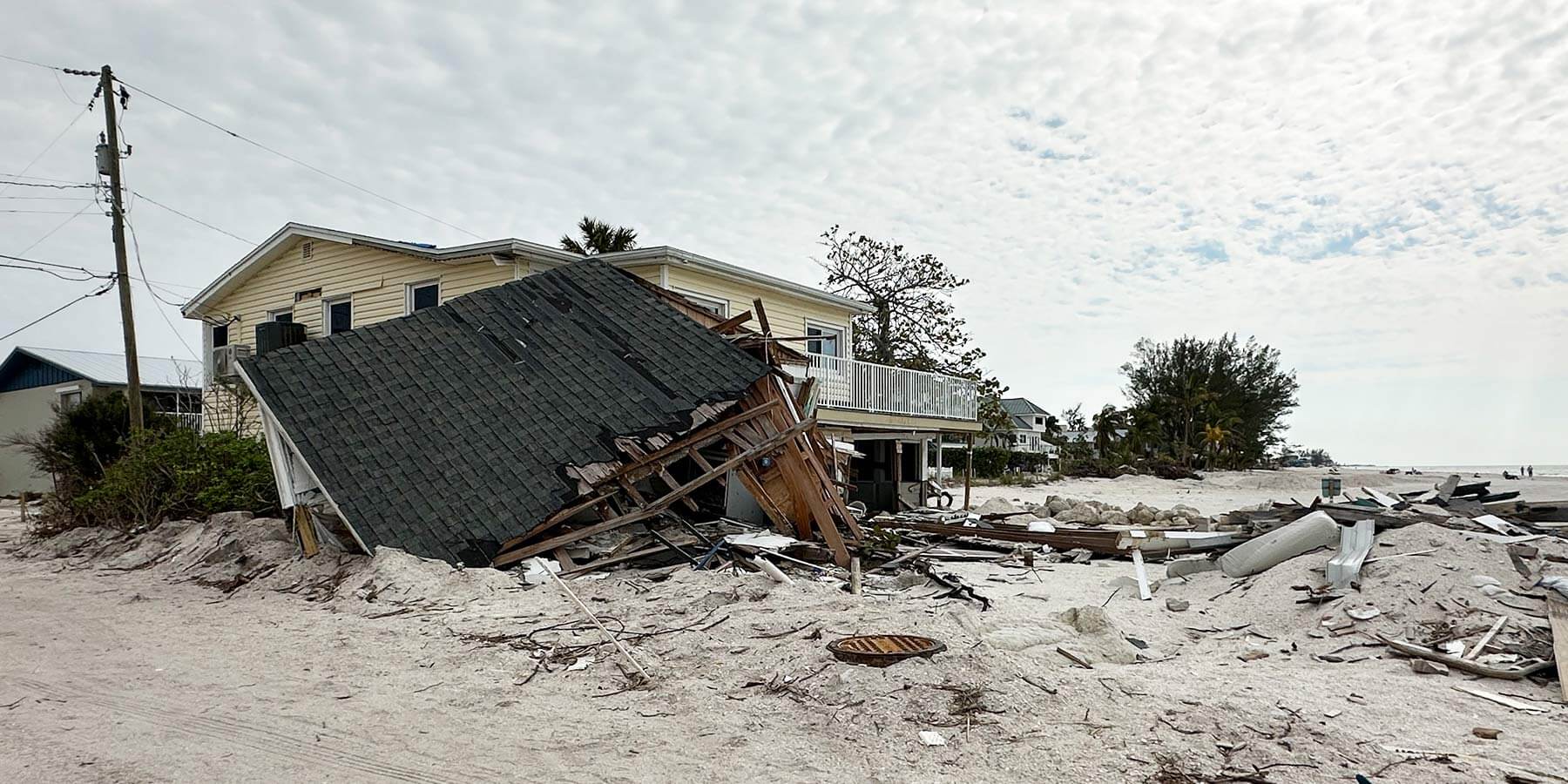
When Louisiana’s fury is unleashed, the state’s low‑lying coastline and winding bayous become a stage for nature’s most powerful performances. Over the past century, five hurricanes have cut deep grooves into the cultural memory, the economy, and the very landscape of the Pelican State. Each storm left its mark in a different way, reminding residents that preparation and resilience are never optional.
Hurricane Katrina (2005)
Katrina arrived on August 29, 2005, as a Category 3 monster with winds topping 125 mph. Though the eye made landfall near Buras‑Tremé, the storm surge—reaching 28 feet in parts of the Mississippi River delta—overwhelmed the levee system in New Orleans. Over 1,800 lives were lost across the Gulf Coast, and Louisiana alone suffered roughly $125 billion in damages, making it the costliest natural disaster in U.S. history at that time.
Beyond the raw numbers, Katrina reshaped the state’s demographic fabric. Entire neighborhoods in the Lower Ninth Ward were abandoned, prompting a wave of migration toward the suburbs and neighboring states. The federal and state response—later criticized for its delays—also spurred sweeping reforms in emergency management, leading to the creation of the Louisiana Governor’s Office of Homeland Security and Emergency Preparedness.
Hurricane Rita (2005)
Just weeks after Katrina, Hurricane Rita barreled ashore on September 24, 2005, as a Category 3 storm with wind gusts exceeding 130 mph. Its most infamous legacy is the chaotic evacuation of the Houston‑Galveston corridor, but the impact on Louisiana’s Calcasieu Parish was no less severe. Rita’s storm surge pushed water up to 20 feet into the coastal marshes, drowning roads, homes, and the critical oil‑refining infrastructure.
Economic losses in Louisiana were estimated at $10 billion, a staggering figure for a region already reeling from Katrina. The disaster highlighted the vulnerability of the state’s offshore industry, prompting stricter building codes for refineries and a renewed focus on restoring wetlands as natural barriers.
Hurricane Gustav (2008)
Making landfall on August 31, 2008, Gustav was a Category 2 system that delivered 115 mph winds and a storm surge of up to 13 feet along the coast near Cocodrie. Though the damage tally was lower than Katrina or Rita, Gustav’s timing—just three years after the earlier catastrophes—tested the durability of rebuilt infrastructure.
One of the storm’s quieter but lasting impacts was on the state’s agricultural sector. Sugarcane fields in St. James Parish suffered extensive flooding, leading to a dip in the statewide harvest that year. In response, the Louisiana Department of Agriculture launched a series of resilience programs aimed at diversifying crops and improving drainage systems.
Hurricane Laura (2020)
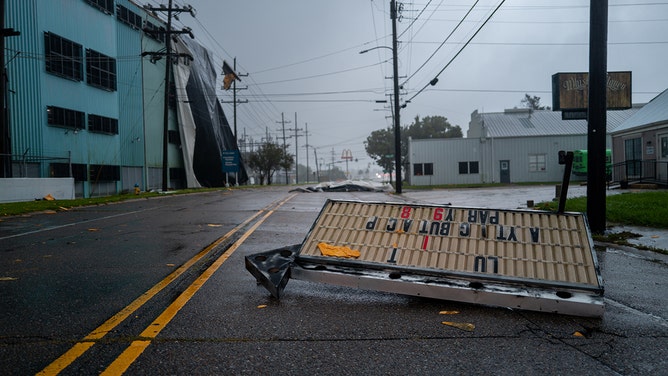
Laura surged ashore on August 27, 2020, as a ferocious Category 4 hurricane with sustained winds of 150 mph—the strongest to hit Louisiana since the 1850s. The storm’s eye ripped through the town of Cameron, where wind speeds peaked at 165 mph, flattening homes and snapping trees like twigs.
The damage was swift and brutal: over $10 billion in property losses, more than 200,000 residents without power, and a death toll of 33 across the state. Laura’s rapid intensification spurred renewed debate about climate‑driven changes in hurricane behavior, prompting scientists to call for enhanced coastal restoration projects to buffer future storms.
Hurricane Ida (2021)
Ida made its dramatic entrance on August 29, 2021—exactly 16 years after Katrina—arriving as a Category 4 powerhouse with winds that touched 150 mph. The storm surge, measured at 12‑15 feet along the Mississippi River delta, caused unprecedented flooding in southeastern Louisiana, especially around the city of New Orleans.
Beyond the immediate devastation, Ida’s aftermath revealed systemic challenges in power grid resilience. Nearly a million customers faced outages lasting more than a week, igniting a statewide push for micro‑grid technologies and underground transmission lines. Economically, Ida topped Katrina as the costliest hurricane for Louisiana, with estimates exceeding $150 billion when indirect losses are considered.
Frequently Asked Questions
- What makes a hurricane especially destructive in Louisiana? The combination of low‑lying topography, extensive coastline, and the convergence of the Mississippi River creates a perfect recipe for storm surge. When a storm’s forward speed is slow, waters have more time to pile up, amplifying flooding.
- How can residents prepare for future storms? Staying informed through the National Weather Service, maintaining an emergency kit, reinforcing homes with hurricane straps, and supporting wetland restoration projects are all practical steps that can reduce risk.
- Which hurricane caused the highest economic loss in Louisiana? While Hurricane Katrina set a grim benchmark in 2005, Hurricane Ida in 2021 surpassed it, pushing total losses to well over $150 billion when direct damage and long‑term economic impacts are combined.