Florida USDA Loan Eligibility Guide
Buying a home in Florida is exciting, but financing it can feel like navigating the Everglades without a map. Many buyers assume they need a hefty down payment to get into the market. That’s where USDA loans come in. These government-backed mortgages offer 100 percent financing, meaning you could buy a home with zero money down. It sounds too good to be true, but it’s a real option for eligible borrowers.
The catch? Eligibility rules are stricter than conventional loans. You can’t just buy anywhere in the state. The property location, your income, and your credit history all play massive roles. If you’re thinking about using a USDA loan in Florida, you need to understand exactly what qualifies. Let’s break down the essentials so you don’t waste time on homes you can’t finance.
Is Your Florida Home in an Eligible Rural Area?
The first and most common hurdle is geography. The USDA doesn’t require you to live next to a cow pasture, but the property must be in a designated rural area. This often surprises people. "Rural" for USDA purposes includes many suburbs and exurbs. In Florida, this means parts of Orlando, Tampa, Jacksonville, Tallahassee, and Punta Gorda might qualify, while downtown Miami or Miami Beach definitely do not.
The USDA has an interactive eligibility map. Before you fall in love with a property, type the exact address into the search tool. If the address isn’t listed as eligible, no lender in the world can override that. It’s a hard rule. Some counties are mixed, with some zip codes qualifying and others not. Always verify by address, not just by county name.
Income Limits Based on Household Size
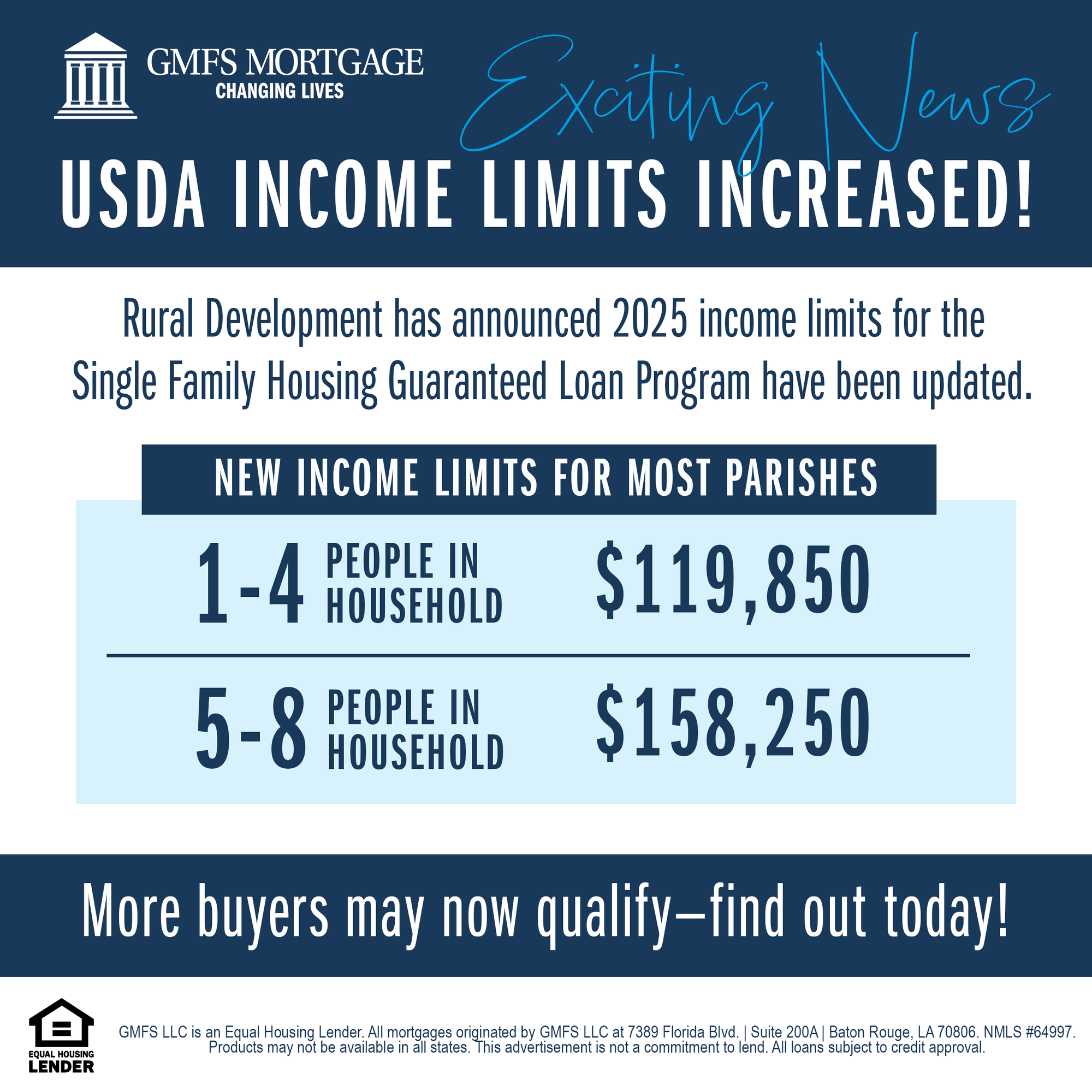
Next, we look at your wallet. USDA loans have strict income caps. These limits ensure the program helps moderate-income earners, not millionaires. The limits vary by county and household size. Generally, your annual gross income must not exceed 115 percent of the area’s median income.
Here’s how it works in practice. If you’re a single person living in a high-cost area of Florida, the limit might be around $100,000 to $110,000. If you’re a family of four, that ceiling rises. Remember, lenders look at both income and debt ratio. Your total monthly housing expenses, including the new mortgage, property taxes, and insurance, usually can’t exceed 29 percent of your gross monthly income. Your total debt, including car payments and student loans, generally stays under 41 percent. These aren’t hard lines for every lender, but they are the standard benchmarks.
Credit Score and Employment History
USDA loans are forgiving compared to traditional mortgages, but "forgiving" doesn’t mean "no standards." Most lenders require a minimum credit score of 640. If your score is below that, you might still qualify for manual underwriting, but it’s a harder sell. Your credit history shows lenders that you can manage monthly payments reliably.
Employment stability is another key factor. You need to show steady income for the last two years. If you’re self-employed, you’ll need two years of tax returns. If you’re a new grad or changing jobs, have paper trails that explain the gap. Lenders want to see that your income will continue after you close on the house. Seasonal work in Florida, like tourism-related jobs, can sometimes complicate this, so bring solid proof of past earnings.
Property Requirements and Appraisals
The house itself must meet specific standards. It has to be your primary residence. You can’t use a USDA loan for a vacation home or rental property. The home also needs to be safe, sanitary, and structurally sound. USDA appraisals are slightly stricter than conventional ones. They check for things like water quality, roof condition, and general habitability. If the house needs major repairs, the loan might be denied unless you use a repair escrow account, which isn’t always available.
How to Apply Successfully
Applying for a USDA loan in Florida isn’t vastly different from other mortgages, but the documentation needs to be precise. Start by checking the USDA map. Then, talk to a lender who specializes in rural loans. Not all mortgage brokers handle them frequently. Find someone who knows the local Florida quirks. They can help you pull your credit, gather pay stubs, and calculate your debt-to-income ratio before you officially apply.
Once you have pre-approval, house hunting becomes easier. You won’t be competing with cash buyers who can overbid, but you will need to move fast once you find an eligible property. The underwriting process takes time because the USDA guarantees the loan to the lender. Expect a few extra weeks for the final approval.
Common Pitfalls to Avoid
One major mistake is assuming all Florida cities are out of bounds. Check the map. Another is forgetting about homeowner’s association fees. HOA dues count toward your housing expenses and can push you over the debt limit. Don’t overlook this. Also, Florida property taxes and insurance are rising. Budget for these increases when calculating your affordability. A low payment now might become unaffordable if HOA fees spike next year.
FAQ
Can I use a USDA loan for a condo in Florida?
Generally, no. USDA loans are for single-family detached homes. Some approved condominium projects might qualify, but the list is short and restrictive. Check the USDA’s condo eligibility list before looking at condo complexes.
What if my income is slightly over the limit?
You likely don’t qualify. The income caps are strict. However, if you’re borrowing with a spouse or partner, sometimes counting only one income stream might help if the other person has little or no debt. Talk to a lender about specific scenarios.
Is there an application fee for USDA loans?
Yes. There is a guarantee fee. Part of this is paid upfront at closing, and a small annual fee is charged on the remaining balance. This is similar to mortgage insurance on FHA loans but is typically lower in cost.
How long does the USDA loan process take?
Expect 45 to 60 days from application to closing. The USDA underwriting step adds time compared to conventional loans. Start early and have all your documents ready to avoid delays.