Forsythia Intermedia: Your Guide To Gorgeous Blooms
Forsythia intermedia is a type of flowering shrub that is known for its vibrant yellow blooms, which burst forth in early spring. This plant is a popular choice for gardeners looking to add a splash of color to their landscape, and with proper care, it can thrive in a variety of conditions. In this article, we'll take a closer look at Forsythia intermedia, including its characteristics, growing requirements, and tips for maintenance.
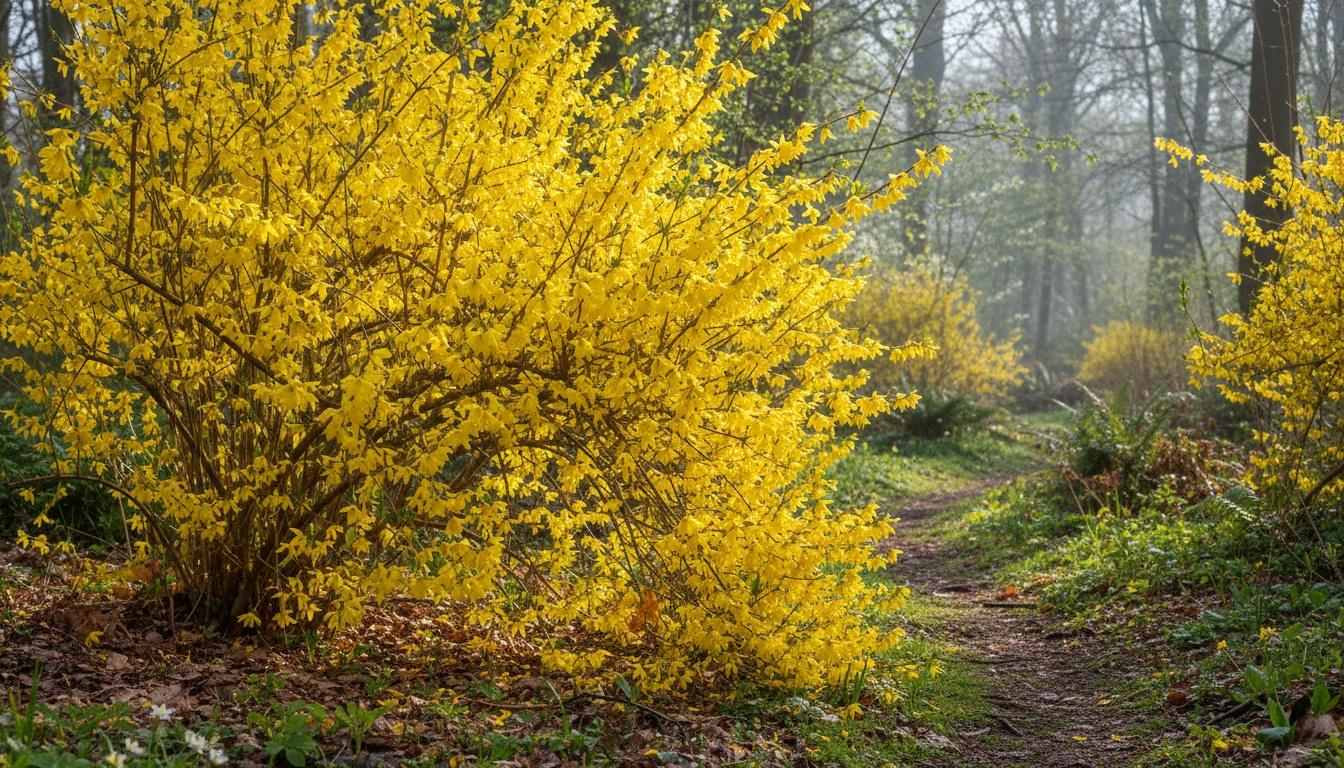
One of the standout features of Forsythia intermedia is its ability to produce an abundance of flowers. These blooms are typically bright yellow in color, and they appear on the stems of the plant in late winter to early spring. The flowers are small and tubular in shape, and they are arranged in a way that creates a beautiful, cascading effect. The blooming period for Forsythia intermedia typically lasts for several weeks, and during this time, the plant is a magnet for bees, butterflies, and other pollinators.
Characteristics Of Forsythia Intermedia
Forsythia intermedia is a deciduous shrub that can grow up to 10 feet tall and 8 feet wide. It has a upright, vase-shaped habit, with arching branches that create a beautiful, layered effect. The leaves of the plant are dark green in color, and they are oval-shaped with a pointed tip. In the fall, the leaves turn a yellowish-green color before dropping off the plant. Forsythia intermedia is also known for its ability to tolerate a range of soil types and conditions, making it a versatile choice for gardeners.
Some of the key characteristics of Forsythia intermedia include:
- Hardiness zone: 5-8
- Sun requirements: Full sun to partial shade
- Soil requirements: Well-draining soil with a pH between 6.0 and 7.0
- Growth rate: Medium to fast
- Maintenance requirements: Low to medium
Growing And Caring For Forsythia Intermedia
To get the most out of your Forsythia intermedia, it's essential to provide it with the right growing conditions and care. Here are some tips to keep in mind:
First, make sure to plant your Forsythia intermedia in a location that receives full sun to partial shade. The plant can tolerate a range of soil types, but it prefers well-draining soil with a pH between 6.0 and 7.0. Water the plant regularly, but avoid overwatering, which can lead to root rot and other problems. Fertilize the plant in the spring, using a balanced fertilizer that is high in phosphorus.
Pruning is also an essential part of caring for Forsythia intermedia. The plant should be pruned immediately after it finishes blooming, as this will help to promote new growth and encourage the plant to produce more flowers. Use clean, sharp pruning tools to remove any dead or damaged branches, and cut back the stems to about 12 inches from the ground.
Common Problems And Pests
Like all plants, Forsythia intermedia is susceptible to certain problems and pests. Some of the most common issues include:
- Aphids: These small, soft-bodied insects can cause curled or distorted leaves, and can also spread plant viruses.
- Scale: Scale insects can cause yellowing or stunted growth, and can also produce a sticky substance called honeydew.
- Root rot: This can occur if the soil is too wet or poorly draining, and can cause the plant to become weak and unhealthy.
To prevent these problems, make sure to inspect your plant regularly, and take action at the first sign of trouble. Use organic or chemical controls as needed, and follow the instructions carefully to avoid harming the plant or the environment.
Conclusion
Forsythia intermedia is a beautiful and low-maintenance shrub that can add a splash of color to your landscape in the early spring. With its vibrant yellow blooms and attractive, vase-shaped habit, it's a great choice for gardeners looking to add some interest to their yard. By following the tips and guidelines outlined in this article, you can help your Forsythia intermedia thrive and enjoy its gorgeous blooms for years to come.
:max_bytes(150000):strip_icc()/forsythia-bushes-plants-that-herald-spring-2131177-02-7b5f0641bbbd4a639574c2018fbe5e5d.jpg)