Fort Orange: The Hudson River’s First Dutch Trading Hub
Fort Orange, the Hudson’s premier Dutch trading post, was more than a military outpost—it was the beating heart of New Netherland’s commerce in the early seventeenth century. Established on the east bank of the Hudson River, the fort anchored a network of fur traders, Native allies, and European merchants that reshaped the economic landscape of the region.
Fort Orange: The Hudson’s Premier Dutch Trading Post
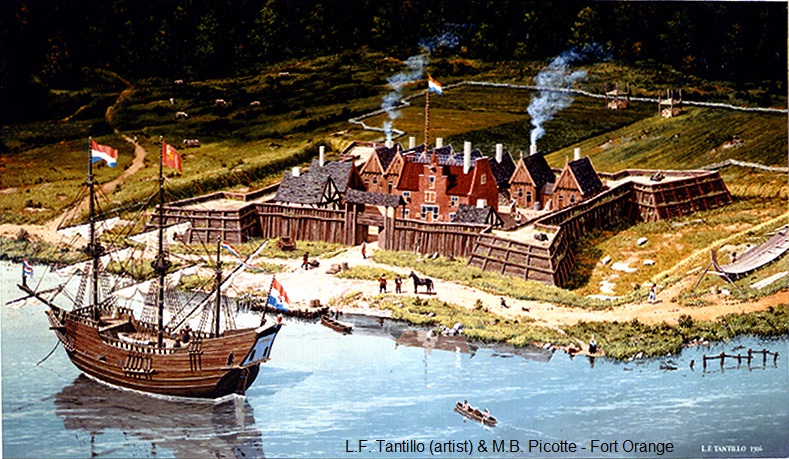
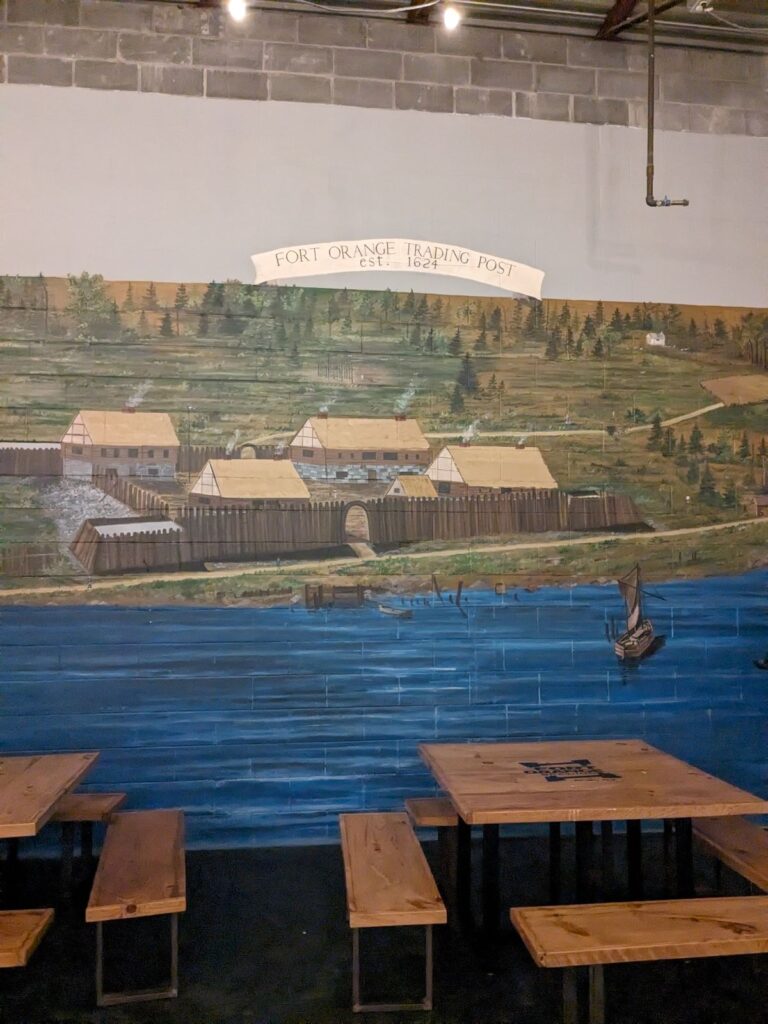
In 1624 the Dutch West India Company sent a modest garrison to the strategic bend that would later become Albany, New York. The site was chosen for its deep water, natural defenses, and proximity to the Iroquois Confederacy, whose beaver pelts were the era’s hottest commodity. By the following year a palisade, blockhouse, and a handful of warehouses stood ready to receive ships sailing up from the Atlantic.
Why the location mattered
The Hudson River served as a natural highway into the interior of North America. From Fort Orange, traders could venture westward along tributaries, reaching the Great Lakes and beyond. The river’s tidal flow also allowed ocean-going vessels to dock at the fort during high water, linking the colony directly to Amsterdam’s markets.
Fur trade dynamics and economic impact
Beaver pelts were the lifeblood of Fort Orange’s trade. Dutch merchants exchanged metal tools, cloth, and glass beads for furs harvested by Iroquois hunters. These pelts were then shipped across the Atlantic, where they were fashioned into fashionable hats for Europe’s elite.
- Beaver pelts: The most valuable export, driving the colony’s profits.
- Woolen cloth: Supplied to Indigenous partners in exchange for furs.
- Metal goods: Including knives and axes, crucial for both daily life and hunting.
- Glass beads: A small but highly sought‑after trade item among Native groups.
The lucrative trade attracted not only Dutch settlers but also French and English competitors, each eager to tap into the same riverine routes. Fort Orange’s success, however, rested on a delicate balance of diplomacy and force.
Relations with Indigenous peoples
The Iroquois Confederacy—particularly the Mohawk nation—were essential allies. Dutch officials cultivated these ties through annual council meetings held at the fort, where gifts and negotiations reinforced mutual interests. While trade flourished, occasional skirmishes over territory and resources reminded everyone that peace was a negotiated, not guaranteed, state.
Over time, the Dutch also engaged with neighboring Algonquin and Lenape groups, extending their commercial reach. These relationships were complex, involving intertribal rivalries that the Dutch sometimes leveraged to secure better trading terms.
From Dutch stronghold to English colony
The tide turned in 1664 when English forces seized New Netherland. Fort Orange was renamed Fort Albany, but its core infrastructure remained intact. Under English rule, the settlement continued as a vital trading center, eventually evolving into the city of Albany, the capital of New York State.
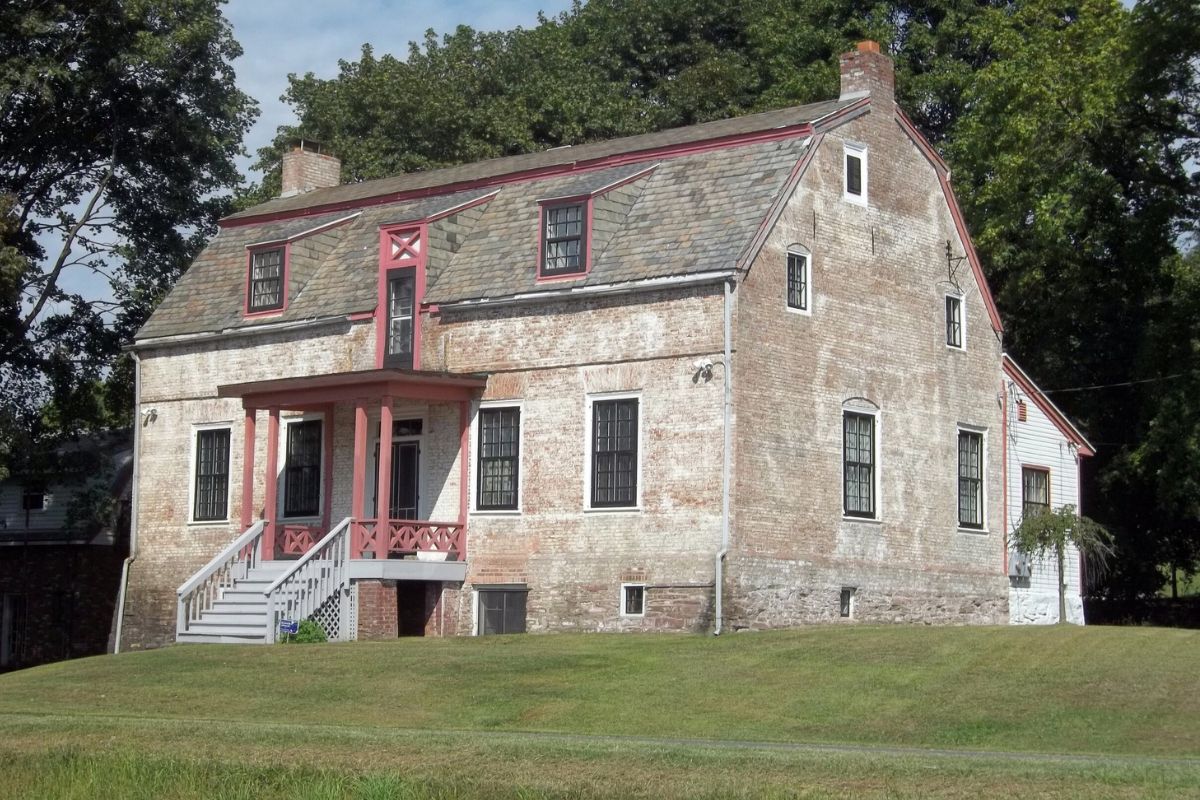
Despite the change in flag, many Dutch families stayed, contributing to the region’s cultural tapestry. Street names, place names, and even architectural details in Albany today echo that early Dutch presence.
Legacy and what remains today
Modern visitors can explore the Albany Heritage Area’s historic district, where the original site of Fort Orange is marked by a commemorative plaque. Archaeological digs have unearthed foundations of the original blockhouse, as well as fragments of Dutch ceramics and trade goods that offer a tangible link to the past.
Beyond physical remnants, Fort Orange’s legacy lives on in the very notion of the Hudson River as a conduit for commerce—a concept that shaped subsequent American expansion and the growth of a nation built on trade.
FAQ
When was Fort Orange founded? The Dutch established Fort Orange in 1624 as part of the West India Company’s efforts to control fur trade along the Hudson River.
What goods were most commonly traded at Fort Orange? The primary export was beaver pelts, while the Dutch imported metal tools, woolen cloth, and glass beads to exchange with Indigenous traders.
How did Fort Orange influence relations with the Iroquois? The fort served as a diplomatic hub where annual councils were held, fostering alliances that were crucial for the colony’s economic success.
What can visitors see at the historic site today? A plaque marks the original location, and nearby museums display artifacts recovered from archaeological excavations, offering a glimpse into the fort’s 17th‑century life.