Geopolymers: A Greener Alternative to Conventional Cement
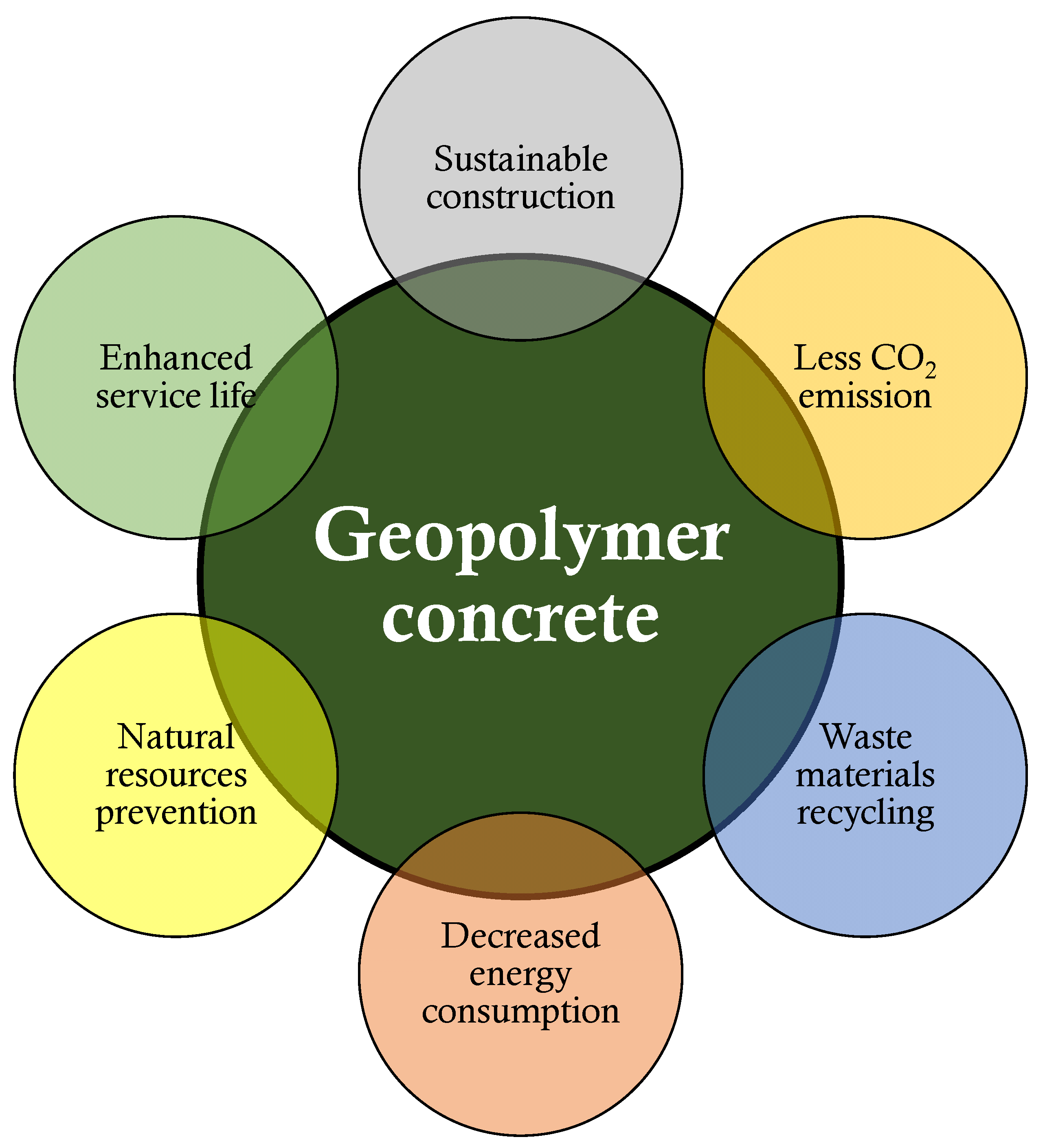
When most people think of building materials, cement usually comes to mind first. But the environmental toll of traditional Portland cement—from the sheer volume of CO₂ released during quarrying and calcination to the energy‑hungry kilns—has sparked a search for more sustainable options. Enter geopolymers, a class of inorganic polymers that promise the strength and versatility of concrete while cutting greenhouse emissions by up to 80 % in some formulations.
What Are Geopolymers?
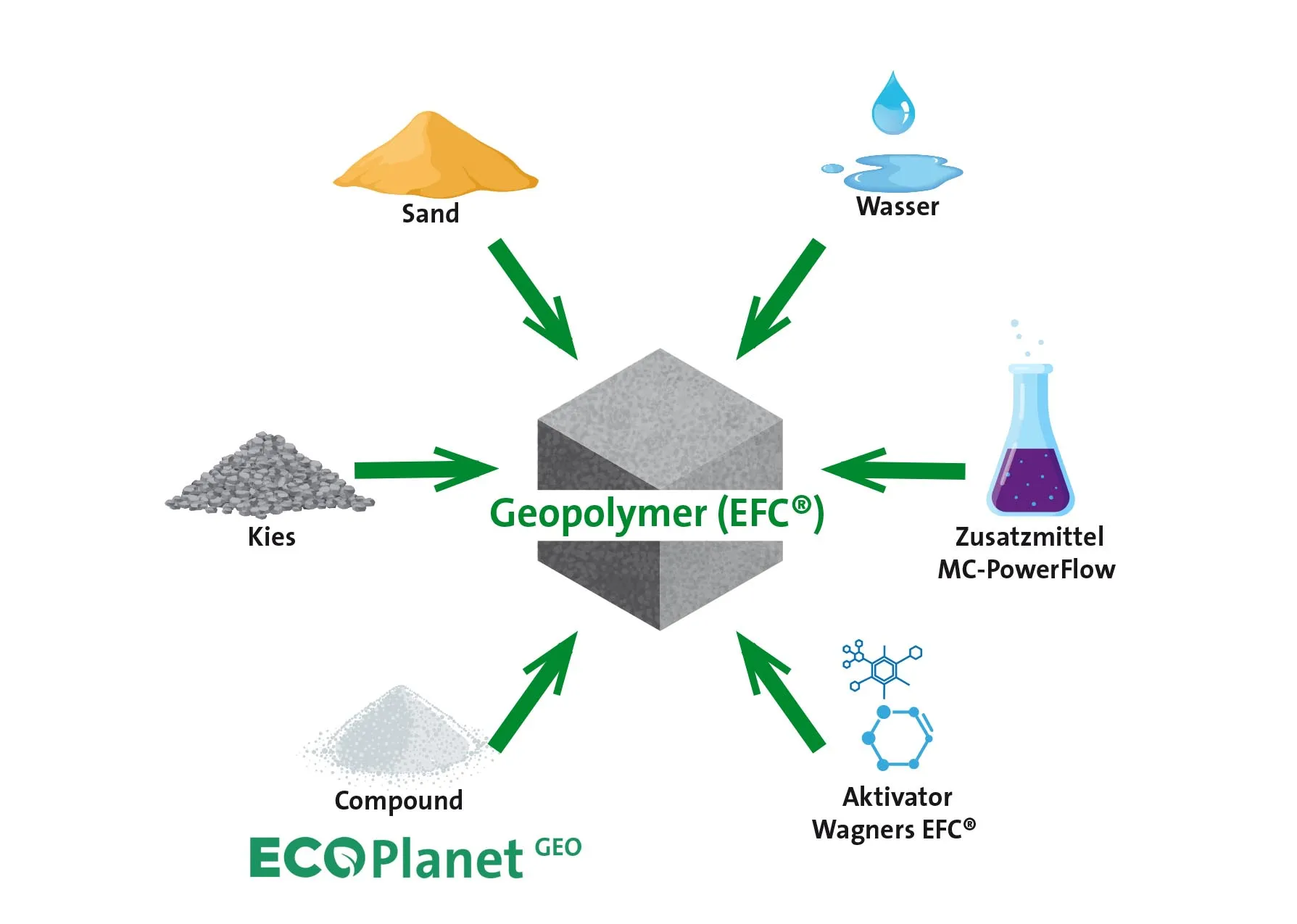
Geopolymers are synthesized by activating aluminosilicate materials—often industrial by‑products like fly ash or slag—with alkaline solutions. The reaction breaks down the silicate network, rearranging it into a three‑dimensional, amorphous matrix that hardens into a durable binder. Unlike Portland cement, which relies on calcium‑silicate hydrates, geopolymers form a network of silicon and aluminum oxides bridged by oxygen.
Why the Green Shift? Environmental Impact of Traditional Cement
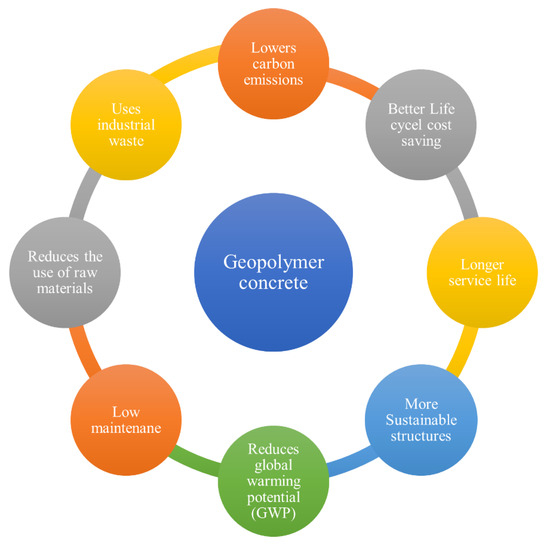
Traditional cement production accounts for roughly 5–8 % of global CO₂ emissions, a figure that has plateaued despite efficiency gains. The process starts with quarrying limestone, a step that generates dust and requires heavy transport. Calcination then releases CO₂ from the limestone itself, while the kilns burn fossil fuels at temperatures above 1,450 °C. In contrast, geopolymers eliminate the calcination step entirely; most of the raw material is recycled waste, and the activation chemistry demands far less heat. The result? A significant reduction in both CO₂ output and fossil‑fuel consumption.
Chemistry Behind Geopolymers
- Aluminosilicate source – Fly ash, slag, or metakaolin supplies the silicon and aluminum needed for network formation.
- Alkaline activator – Sodium or potassium hydroxide, sometimes mixed with silicate solutions, dissolves the aluminosilicates.
- Polycondensation – The dissolved species undergo polycondensation, forming a rigid, cross‑linked network.
- Setting and hardening – As water evaporates and the network densifies, the material gains strength.
Because the chemistry is fundamentally different, the resulting material can exhibit impressive resistance to high temperatures, chemical attacks, and carbonation—a common long‑term degradation mechanism in ordinary concrete.
Production Process and Energy Footprint
Geopolymer production typically follows these steps: sourcing the aluminosilicate feedstock, milling it to the required fineness, mixing with the alkaline activator, casting, and curing. Curing can occur at ambient temperatures or be accelerated with mild heating (60–80 °C). Compared to conventional cement, the process skips high‑temperature calcination and uses less energy overall—often about one‑third of the kilns’ power draw.
Performance and Durability in Construction
In laboratory tests, many geopolymer mixes achieve compressive strengths comparable to, or exceeding, those of Portland cement concrete. For example, a fly‑ash geopolymer can reach 80–90 MPa after 28 days of curing. In real‑world applications, geopolymers have shown exceptional resistance to chloride ingress, making them attractive for marine or de‑icing environments. Additionally, their lower carbonation rate extends service life and reduces maintenance costs.
Current Uses and Case Studies
Several countries are piloting geopolymer concrete in infrastructure projects. In the Netherlands, a bridge deck constructed from geopolymer concrete demonstrated a 40 % reduction in CO₂ emissions compared with a conventional deck of the same size. In the United States, a fire‑resistant wall for a school was built using geopolymer paste, achieving a 300‑degree Celsius fire rating without the need for additional insulation.
Challenges and Limitations
Despite its promise, geopolymer technology still faces hurdles:
- Material variability – The properties of fly ash or slag can differ by plant, affecting consistency.
- Long‑term data – While short‑term performance is well documented, extended durability studies over decades are limited.
- Cost and supply chain – Alkaline activators and specialized mixers can add upfront costs, and the market is not yet as mature as conventional cement.
Addressing these challenges will be key to widespread adoption.
Future Outlook
Research is exploring greener activators, such as sodium carbonate or bio‑derived solutions, to further reduce the environmental footprint. Moreover, integrating geopolymers into additive manufacturing and 3D printing opens new avenues for complex architectural forms that were previously difficult to realize with traditional concrete.
FAQ
- Can geopolymers replace cement in all building applications? – Geopolymers perform well in many structural contexts, but for some specialized uses—like certain high‑strength concrete mixes—additional research is needed.
- Are geopolymer mixes more expensive? – Initial material costs can be slightly higher, but savings from lower energy consumption and reduced maintenance often offset the difference over time.
- What about the safety of handling alkaline activators? – Proper training, protective equipment, and ventilation are essential, much like any industrial chemical handling procedure.
- How quickly can geopolymer concrete cure? – Curing times vary by mix, but many formulations reach useful strength within 24–48 hours, enabling faster construction schedules.