Glitter And Gridiron: The Ultimate Guide To Bedazzled Footballs
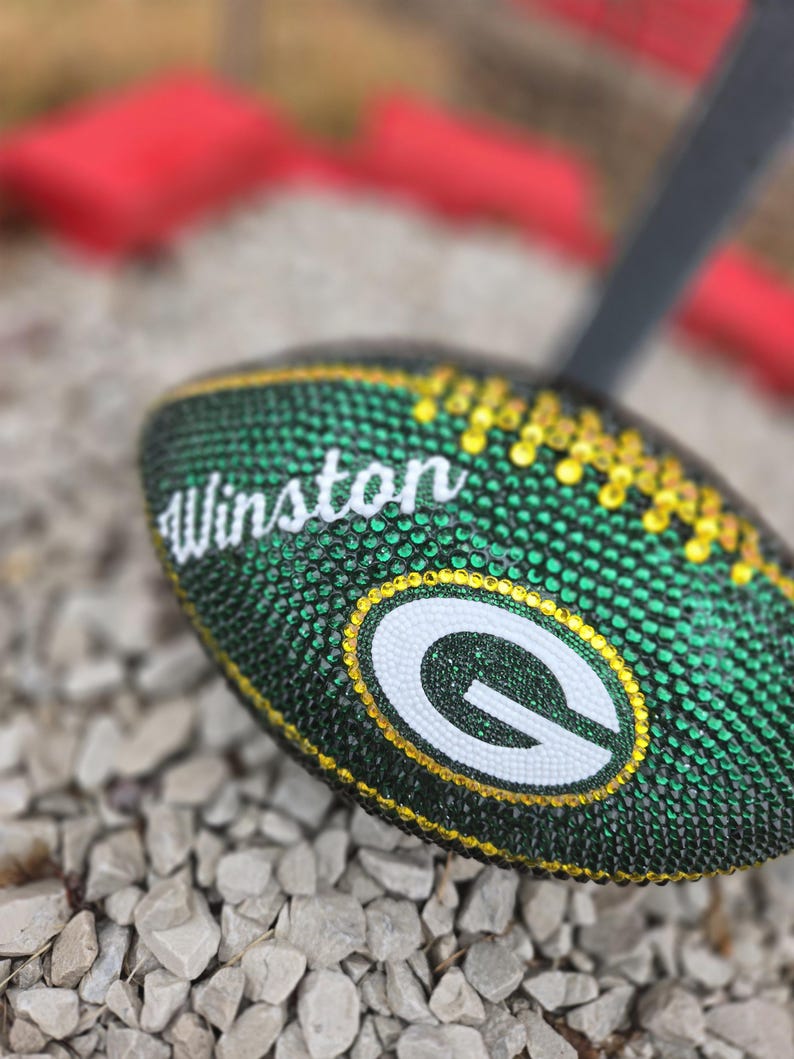
There is something undeniably magnetic about the sight of a football catching the stadium lights, not just reflecting them, but exploding with color. It’s a jarring, beautiful collision of two worlds that rarely speak the same language. On one side, you have the gridiron: sweat, mud, tactical precision, and the raw, physical brutality of sport. On the other, you have the craft world: sequins, hot glue, resilience, and the meticulous art of self-expression through sparkle. When these two meet in the form of bedazzled footballs, the result is a cultural artifact that is as controversial as it is captivating.
But how do you actually take a standard leather sphere and transform it into a disco ball? It’s not just about slapping on some puffy paint. It’s a process that requires a surprising amount of structural understanding and patience.
The Art Of Applying Glitz To Leather
The first mistake most beginners make is underestimating the surface. A football is not a flat canvas. It is textured, curved, and designed to be gripped. If you simply attempt to adhere rhinestones to the pebbled leather without preparation, gravity and friction will win. The stones will pop off during the first pass, leaving your beautiful creation looking like it went through a mixer.
The secret lies in the base layer. You need a primer that bonds with both the leather texture and the adhesive. Many crafters swear by a layer of fabric glue or a specialized leather primer. This creates a smooth, slightly tacky surface that allows the next step to adhere properly. Think of it as scaffolding. Without it, the glitter has nothing to hold onto.
Once the base is set, you have three main options for application:
- Glitter Glue Patterns: This is the most control-intensive method. You draw lines or shapes using high-viscosity glitter glue. The benefit is that you can keep the grip areas of the football clear. The downside is that it adds a slight ridge to the surface, which can affect how the ball feels in wet conditions.
- Iron-On Rhinestones: Heat-activated gems are popular for large motifs. They provide structure and don’t feel as gritty as loose glitter. However, applying heat to a pressurized air bladder requires extreme caution. Too much heat, too fast, and you risk deflating or damaging the bladder. Low heat, short bursts, and a protective barrier between the gem and the leather are non-negotiable.
- UV Resin Sealing: For loose glitter, this is your best friend. You apply the loose pigment, then seal it with a thick layer of UV-curable resin. This creates a glass-like finish that is incredibly durable. It’s waterproof, scratch-resistant, and keeps the sparkle vibrant for years. The trade-off is that it hardens the leather slightly, changing the feel of the ball.
Beyond Aesthetics: Durability And Practicality
Let’s address the elephant in the room. Is a bedazzled football actually playable? The answer is nuanced. If you turn the ball into a solid block of diamond dust, it is going to be a nightmare to grip. Slippery hands in a third-down situation are dangerous, regardless of how cute the ball looks.
That’s why placement matters more than coverage. Many enthusiasts create "accented" balls. They bedazzle the logos, the panels, or the seams, while leaving the central gripping rings bare. This preserves the tactile feedback necessary for catchers and quarterbacks while still delivering the visual impact. It’s a compromise, but one that respects the function of the object.
There is also the maintenance aspect. Standard footballs are wiped clean with mud and grass stains. A bedazzled ball requires gentle handling. Harsh chemicals will strip the sealant. High-pressure washing will dislodge the gems. After a game, you’ll need a soft cloth and mild soap. It’s not the low-maintenance item it used to be.
Why Do We Love This?
It’s not just about vanity. For many, a bedazzled football is a statement. It challenges the rigid norms of traditional sports equipment. It says that sport can be fun, colorful, and expressive. It’s particularly popular among women’s teams and youth leagues who want to reclaim their equipment as a form of identity, rather than just a piece of utility.
There is also a community aspect. The "Sparkle Bowl" trend has spawned online communities where crafters share techniques for adhering gems to curved surfaces without ruining the aerodynamics. It’s a niche hobby, but a passionate one. It’s not messy craftiness; it’s precision engineering with a side of glitter.
Common Mistakes To Avoid
Before you buy your first batch of rhinestones, keep these pitfalls in mind. Overgluing is the biggest offender. Excess glue creates streaks that ruin the clean look of the design. Apply sparingly; you can always add more, but you can’t easily remove a glob of dried adhesive from leather.
Another error is ignoring the seams. Football seams are uneven. If you try to bridge a gem across a seam, the tension will cause the stone to crack or pop off. Treat seams as borders, not bridges. Let the natural grooves of the ball guide your design rather than fighting against them.
Finally, don’t neglect the finish. Even if you use iron-ons, a light spray of clear sealant designed for fabrics or leather can add a layer of protection against sweat and rain. It’s an extra step, but it extends the life of your creation significantly.
Frequently Asked Questions
Will bedazzling a football void the warranty?
Almost certainly. Most manufacturers design their balls for standard play. Applying adhesives, heat, or chemicals to the surface is considered modification. If the bladder fails or the leather cracks due to the added materials, the manufacturer is unlikely to honor a return or warranty claim.
Can I play with a bedazzled ball in official games?
Probably not. Official leagues, from high school to the NFL, have strict regulations regarding the weight, circumference, and surface of the ball. Added materials can alter the grip and aerodynamics, which is generally prohibited. These balls are best used for practice, promotional events, or as memorabilia.
What is the best type of glue for football leather?
Fabric glue and E6000 are popular choices for their flexibility and bonding strength. However, for a smoother finish that doesn’t add bulk, clear nail polish or a thin layer of fabric medium mixed with white glue can work for defining lines before applying glitter.
Does glitter affect the spin of the ball?
Minimal, if applied correctly. If the glitter is sealed flat with resin, the aerodynamic impact is negligible. However, loose or poorly adhered gems can create turbulence. If you plan to throw the ball long distances, test it thoroughly. The rattle of a loose stone is a dead giveaway that something is wrong.