Gold Prices Trends And Predictions: What To Expect Next
Gold has never been just another commodity on a trading floor. It is a psychological anchor, a store of value, and a reflection of global anxiety. When markets twitch, investors look toward yellow metal. Understanding the current landscape requires looking beyond the daily tickers and into the broader economic machinery driving demand, supply, and sentiment.
The Current Landscape of Gold Markets
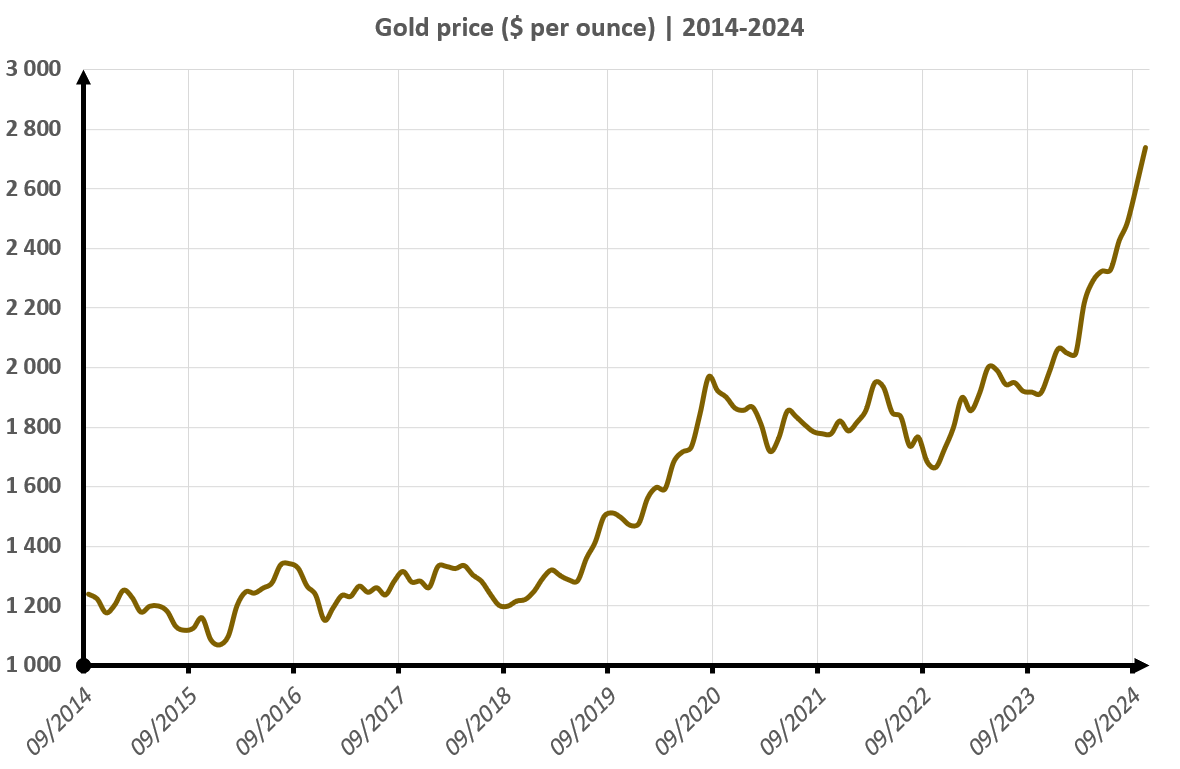
In recent years, gold has climbed to unprecedented highs. This isn't just a blip; it’s a structural shift. The precious metal has acted as a hedge against inflation, a shield against geopolitical instability, and a substitute for currency when faith in fiat money wavers. But what’s really pushing the needle right now?
Central bank buying has been a dominant force. Nations like China, India, and several emerging markets have been aggressively adding gold to their reserves. Why? To diversify away from the US dollar and reduce exposure to Western financial systems. This isn't a short-term trend; it's a long-term strategy. When central banks buy gold consistently, it sets a floor for prices, limiting downside risk.
At the same time, retail investors are waking up. Younger generations, wary of economic uncertainty and digital volatility, are turning to physical gold and ETFs. This broad-based demand creates a resilient market that resists sharp corrections.
Key Drivers Behind the Rise
To predict where gold goes next, you have to understand what moves it. Several interconnected factors are at play:
- Interest Rates and Monetary Policy: Gold doesn't pay interest. When rates are high, bonds become more attractive, and gold can lag. But when the Federal Reserve or other major banks signal rate cuts, gold tends to surge. Lower rates mean lower opportunity costs for holding non-yielding assets.
- Geopolitical Tensions: Conflicts in Eastern Europe, the Middle East, and rising trade frictions create safe-haven demand. Whenever headlines scream uncertainty, gold shines. It’s a classic flight-to-safety play.
- Currency Fluctuations: Gold is priced in US dollars. When the dollar weakens, gold becomes cheaper for foreign buyers, boosting demand and pushing prices up. Conversely, a strong dollar can dampen gold’s momentum.
- Inflation Expectations: Even if inflation cools, if investors believe it will rebound, gold remains attractive. It’s a long-term hedge against eroding purchasing power.
Short-Term vs. Long-Term Outlook
Short-term volatility is normal. Gold can swing based on a single jobs report or a Fed comment. But the long-term trajectory looks robust. Analysts generally agree that the uptrend isn’t over, though the pace may vary.
Over the next 6 to 12 months, expect consolidation. Prices may dip slightly as markets digest new data and adjust to rate expectations. These corrections are healthy. They allow profit-taking and rebalancing. But the underlying support—central bank buying, geopolitical risk, and fiscal deficits—remains strong.
What Could Push Prices Higher?
If inflation reignites, or if geopolitical conflicts escalate, gold could break new records. A sudden loss of confidence in major currencies would also send prices soaring. In such scenarios, gold isn’t just a trade; it’s insurance.
What Could Pull Prices Down?
A strong rebound in the US economy, combined with persistent high interest rates, could make gold less appealing. If the dollar strengthens significantly, or if risk-on sentiment returns to equities and crypto, capital may flow out of gold temporarily. But these are likely short-term headwinds, not long-term reversals.
Expert Predictions for the Coming Years
Financial institutions and analysts have varying views, but a consensus is forming. Many believe gold will continue to outperform many traditional assets over the next several years. Why? Because the global financial system is undergoing stress tests that haven’t been seen in decades.
Some predict gold could reach $3,000 per ounce within the next few years. Others are more conservative, seeing $2,500 as a realistic ceiling. What’s clear is that gold’s role is evolving. It’s no longer just a defensive asset; it’s becoming a strategic component of diversified portfolios.
“Gold is not a speculative asset. It’s a monetary asset. Its value is tied to the eroding trust in fiat currencies and the need for neutral reserves.”
This shift is significant. It means gold’s price trajectory is less about short-term trading and more about long-term structural changes in global finance.
How Investors Can Position Themselves
If you’re considering adding gold to your portfolio, timing is less critical than allocation. Most financial advisors suggest holding 5-10% of your portfolio in gold for diversification. This can help cushion against market downturns and inflation spikes.
There are several ways to gain exposure:
- Physical Gold: Coins and bullion offer tangible ownership but come with storage and insurance costs.
- Gold ETFs: Exchange-traded funds provide liquidity and ease of trading. They track gold prices without the hassle of physical storage.
- Gold Mining Stocks: These offer leverage to gold prices. When gold rises, mining companies can see amplified gains. But they also carry operational risks.
- Futures and Options: For sophisticated traders, derivatives offer ways to speculate on price movements with leverage. But they also carry significant risk.
Diversification is key. Don’t put all your eggs in one basket. Gold should complement, not dominate, your investment strategy.
Common Misconceptions About Gold
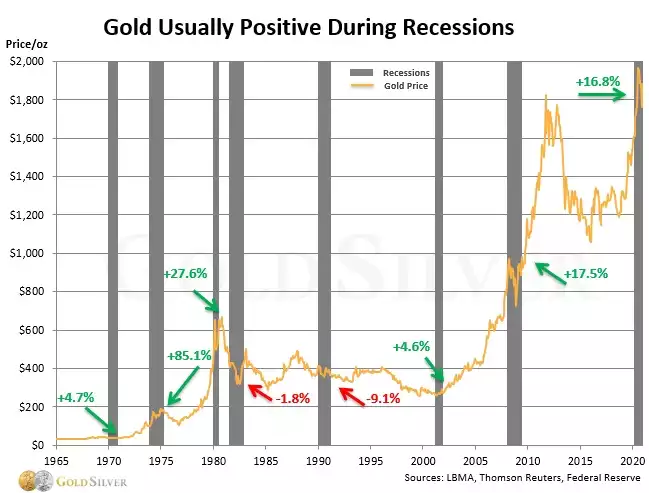
Gold is often misunderstood. Some see it as obsolete in a digital world. Others view it as a get-rich-quick scheme. Both views miss the point. Gold is a stabilizer, not a lottery ticket. It doesn’t generate income, so it’s not a growth asset. But it preserves wealth. That’s its primary job.
Another myth is that gold is only for times of crisis. In reality, it performs well in many market environments, especially when inflation is high or growth is uncertain. It’s a versatile tool, not a panic button.
Frequently Asked Questions
Is gold a good investment in 2024?
Yes, for many investors, gold remains a prudent addition to a diversified portfolio. It offers protection against inflation and geopolitical risk. However, it’s not a high-return asset. Expect stability, not exponential growth.
Will gold prices drop soon?
Short-term dips are possible, especially if interest rates stay higher for longer. But the long-term trend remains upward. Historical corrections have not reversed the broader bull market.
Should I buy gold or stocks?
It’s not an either/or question. Gold and stocks often move inversely. Holding both can reduce portfolio volatility. Most experts recommend a balanced approach.
How much gold should I own?
General advice is 5-10% of your total portfolio. This provides a hedge without overexposure. Personal financial goals and risk tolerance should guide your final allocation.
Final Thoughts on Gold’s Trajectory
Gold’s story is still being written. The trends suggest a continued rise, driven by structural shifts in global finance. While short-term fluctuations are inevitable, the long-term outlook is positive. For investors, gold isn’t about chasing profits; it’s about preserving them. In an unpredictable world, that’s worth its weight in gold.