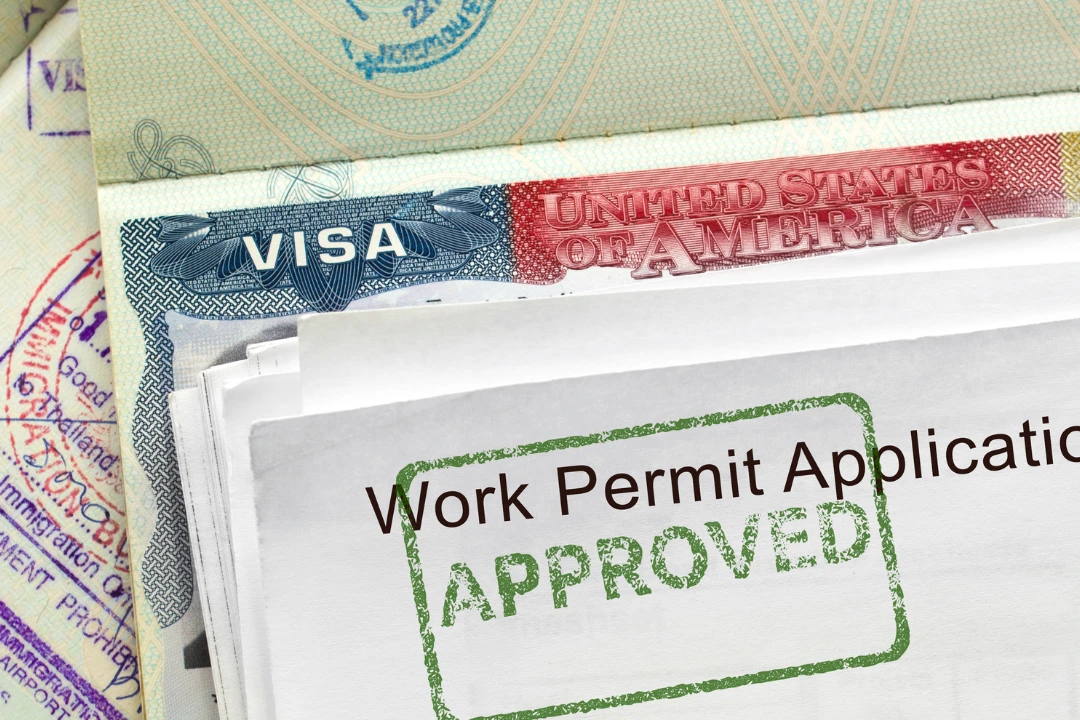
H-4 Visa Work Authorization: Latest Rules and Updates Explained
If you are waiting for your H-4 Employment Authorization Document (EAD), the landscape has shifted slightly over the last few years. It isn't quite the "wild west" it was during the peak of administrative changes, but it is far from a smooth, automatic process. For many spouses of H-1B visa holders, the ability to work legally in the US is a matter of financial survival, not just extra income. So, what is the current status, and what should you expect when you apply?
The short answer is that the policy allowing H-4 spouses to work remains intact. However, the processing times are longer than anyone would like, and the eligibility criteria are strictly enforced. If you are trying to navigate this maze, you need to know exactly where things stand right now, not what the headlines said in 2020.
Who Actually Qualifies for an H-4 EAD?
This is the most common point of confusion. Having an H-4 visa does not automatically give you the right to work. You must fall into specific, narrow categories established by federal regulations. The key factor is usually the status of your H-1B spouse.
To be eligible for an H-4 EAD, your spouse must be in one of the following situations:
- The H-1B holder has been approved for their first step toward a green card. Specifically, they must have an approved Form I-140 (Immigrant Petition for Alien Workers).
- The H-1B holder is in the process of extending their stay beyond the six-year maximum limit under the American Competitiveness in the Technology Sector Act (AC21). This requires that a labor certification or I-140 petition was filed at least 365 days before they hit the six-year mark.
If your spouse is on a standard H-1B and hasn't started the green card process, you generally cannot get an EAD. It is a hard rule. There is no "gray area" here that lawyers can easily bend. If you don't meet these two criteria, applying will result in a denial and a wasted fee.
Current USCIS Processing Times and Delays
Let's talk about the elephant in the room: time. Even with active policies, getting the physical card is not instant. USCIS processing times for Form I-765 (Application for Employment Authorization) in the H-4 category vary wildly depending on which regional service center handles your case.
As of now, applicants should be prepared to wait anywhere from three to eight months for a decision. Some centers, like Nebraska or Texas, have historically been slower than Vermont or California. It is not uncommon for people to file in the spring and not receive their card until the winter.
This delay creates a massive financial gap. Unlike some other visa categories, you cannot work while your I-765 is pending. You have that approved notice in your hand, but no card? You still can't clock in. This is why many families budget for a six-month buffer where only one income covers all expenses. Always check the real-time processing times on the USCIS website for your specific receipt number, as these numbers change weekly.
What Changed Recently?
There hasn't been a massive legislative overhaul in the last twelve months, but there have been subtle shifts in how USCIS adjudicates applications.
In recent years, we've seen a much stricter review of the "maintained status" requirement. USCIS is digging deeper to ensure the H-1B spouse hasn't had any long gaps in employment or unauthorized work that would invalidate the underlying petition. If the H-1B holder changed jobs and there was a slight hiccup in the portability H-1B filing, it can sometimes trigger a Request for Evidence (RFE) for the H-4 spouse.
Additionally, premiums processing is technically available for H-1B petitions, but it does not apply to H-4 EAD filings. You can pay extra to speed up your spouse's green card petition (I-140) or extension, but the EAD itself remains on the standard queue. Many people mistakenly think paying expedite fees helps the work permit; it doesn't.
There is also ongoing political noise. Every election cycle brings rumors that the H-4 EAD program will be scrapped. While proposed rules change with administrations, the current framework is solid. Removing it would require a lengthy rulemaking process and likely face significant legal challenges. For now, it is here to stay.
Common Pitfalls to Avoid
Mistakes in the application are a leading cause of unnecessary delays. Here are a few things people often mess up:
Mismatched Names: Your marriage certificate name must match your passport and your visa exactly. If you hyphenate your name on some documents but not others, USCIS will reject it or issue an RFE. Keep it consistent across the board.
Expired Supporting Docs: Make sure you submit copies of the H-1B spouse's approval notice, I-94 records, and the I-140 approval. If the I-140 is pending, you need the receipt notice. Submitting expired documents for prior visas can confuse the officer.
Applying Too Early: You can only apply for the h-4 EAD after your H-4 status is approved and you are physically in the US. Some people try to file concurrently with their initial H-4 adjustment, which is allowed in some cases, but timing it wrong can lead to processing delays. Consult an immigration attorney to time the filing correctly based on your specific entry date.
FAQ: H-4 Work Authorization
Can I work if my H-1B spouse changes jobs?
Yes, as long as your H-1B spouse maintains valid status. If they port their H-1B to a new employer, your underlying eligibility remains. However, if the new employer withdraws the H-1B petition, your EAD validity could be impacted eventually. It is safe to keep working during a standard porting process.
Can I travel to Canada and re-enter the US with my H-4 EAD?
Generally, no. The H-4 EAD expired for re-entry purposes in a previous rule change. If you travel to Canada, Mexico, or the US Virgin Islands, it is advisable to get a transit visa or have your H-4 visa stamped at a consulate before returning. Do not assume the EAD allows you to skip the visa stamp check.
Does getting an H-4 EAD affect my spouse's green card?
No. Applying for and holding an H-4 EAD does not negatively impact your spouse's employment-based green card petition. They are separate processes, even though they are linked by your marriage and the I-140 status.
What if my EAD expires while my H-4 status is still valid?
You must renew it. An expired EAD means you lose the legal authorization to work. You should file for renewal at least 120 days before the expiration date. There is no automatic extension for H-4 EADs, unlike H-1B extensions which often get automatic 240-day grace periods.
Disclaimer: Immigration laws are complex and subject to change. This information is for general educational purposes and does not constitute legal advice. Always consult with a qualified immigration attorney for your specific case.