Health Specimens Explained: What They Are and Why They Matter
Defining a Health Specimen
A health specimen is any biological material—blood, tissue, saliva, urine, even a swab of skin—that’s collected for the purpose of medical analysis. The definition is broader than you might think: a single drop of blood on a filter paper, a chunk of tumor removed during surgery, or a cheek swab for DNA testing all qualify. What unites them isn’t the source but the intent: to reveal something about a person’s health, disease status, or genetic makeup.
Why We Collect Specimens
Collecting a specimen turns a mystery into data. Doctors can confirm infections, monitor chronic conditions, and tailor treatments based on the precise results a lab provides. Researchers, too, rely on specimens to uncover disease mechanisms, develop vaccines, or test new drugs. In short, without that tiny piece of tissue or fluid, most modern diagnostics would be guesswork.
Common Types of Health Specimens
- Blood – drawn from a vein or finger prick, it fuels everything from cholesterol checks to viral load tests.
- Urine – easy to collect, it’s the go‑to for kidney function, pregnancy, and drug screening.
- Saliva – increasingly popular for hormone panels and at‑home DNA kits.
- Tissue biopsies – small sections of organ or tumor removed surgically, essential for cancer staging.
- Swabs – nasal, throat, or wound swabs capture pathogens for rapid PCR testing.
From Collection to the Lab: Handling the Sample
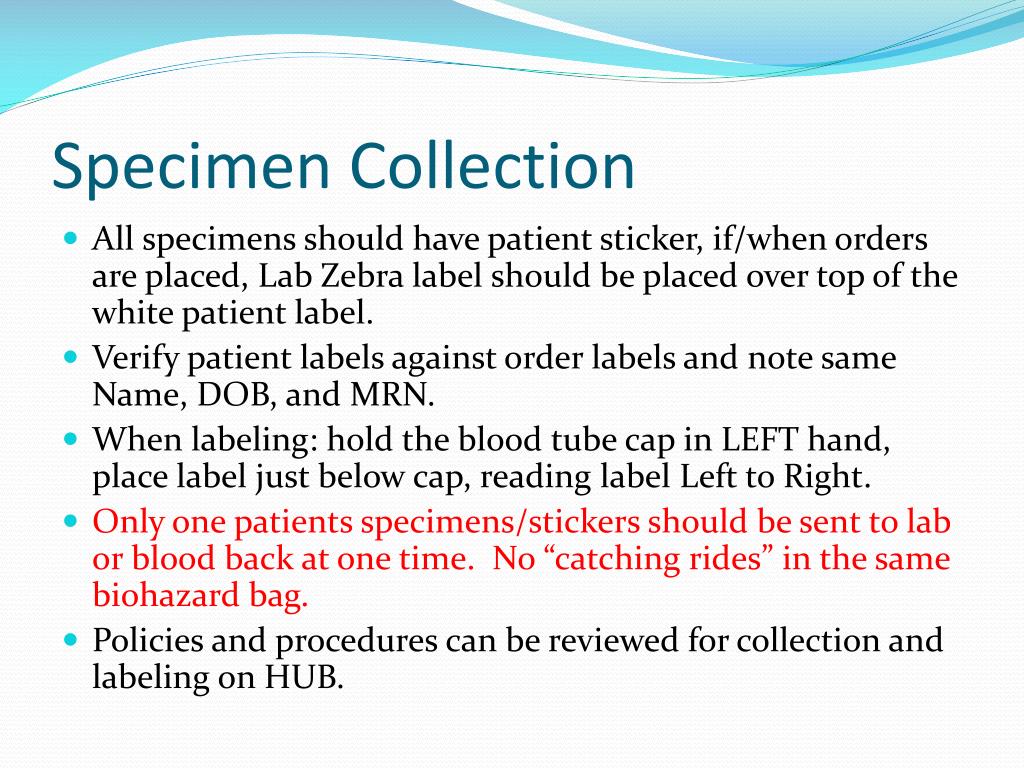
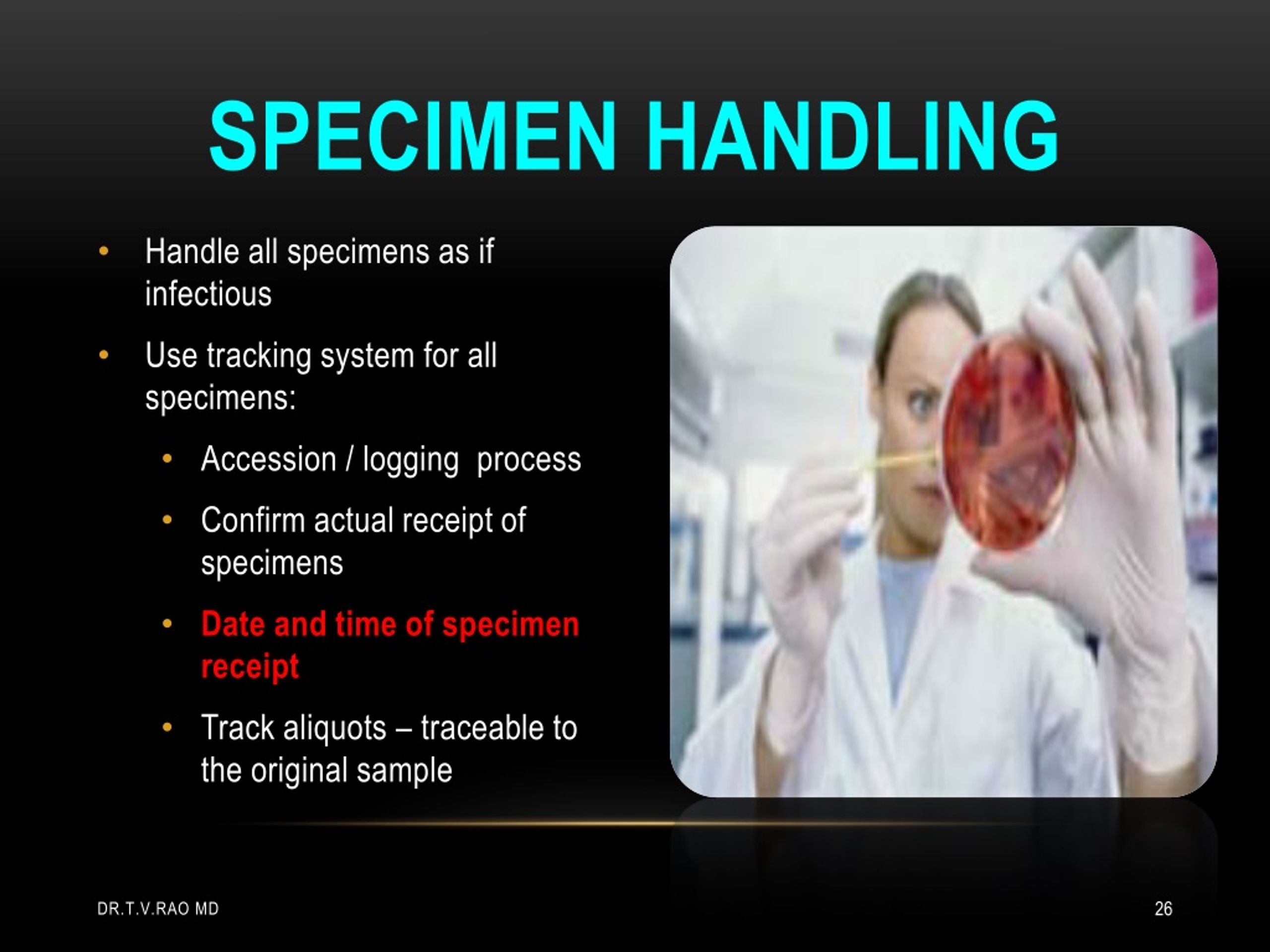
Once a specimen leaves the patient’s body, the journey is surprisingly delicate. First, it’s labeled with a unique identifier—mistakes here can mix up results and jeopardize care. Next, preservation steps follow: blood might be mixed with anticoagulants, tissue placed in formalin, or swabs stored on ice. These measures keep the sample stable until it reaches the laboratory, where technicians log it into a tracking system and begin the analysis.
The Testing Process
Laboratories employ an array of techniques, each suited to the specimen type. For blood, automated analyzers measure cell counts, electrolytes, and enzyme levels within minutes. Tissue sections get stained and examined under a microscope, sometimes after genetic sequencing. Swabs often go straight to PCR machines that amplify tiny fragments of viral RNA, delivering results in under an hour. The choice of method determines not only speed but also the depth of information you receive.
Interpreting Results: More Than Numbers
When the report lands back with a clinician, the raw data—say, a hemoglobin value of 13.2 g/dL—must be placed in context. Age, sex, medical history, and even recent medications influence what “normal” looks like. That’s why clinicians often discuss results with patients, explaining why a borderline value might still be concerning or why a seemingly abnormal result could be harmless in a specific scenario.
Ethical and Legal Safeguards
Because specimens contain intimate details about a person’s health, strict safeguards surround their collection and use. Informed consent is the cornerstone: patients must understand why a sample is needed, how it will be stored, and who may access it. Privacy laws—HIPAA in the U.S., GDPR in Europe—mandate that personal identifiers be stripped when specimens are used for research, unless the donor explicitly agrees otherwise.
Informed Consent in Practice
Practically, consent forms walk patients through the purpose of the test, potential risks (like a brief needle stick), and the fate of the leftover material. Some labs also offer an opt‑out for future research, letting donors decide whether their anonymized samples can contribute to scientific studies.
Challenges and Future Directions
Even with robust protocols, challenges persist. Specimen degradation can skew results, especially in remote settings where transport times are long. Moreover, the rise of at‑home collection kits introduces variability in how well users follow instructions. Looking ahead, technologies like dried blood spot cards and ambient‑temperature stabilizers promise to keep samples viable longer, widening access to diagnostics worldwide.
Bottom Line
Whether it’s a single drop of blood or a slice of tumor, a health specimen is the bridge between the body’s hidden signals and the knowledge needed to act on them. Understanding what a specimen is, how it’s handled, and why ethical safeguards matter helps demystify the lab work that underpins modern medicine. The next time you roll up a sleeve for a test, you’ll know the tiny sample you’re giving away is far more powerful than it looks.