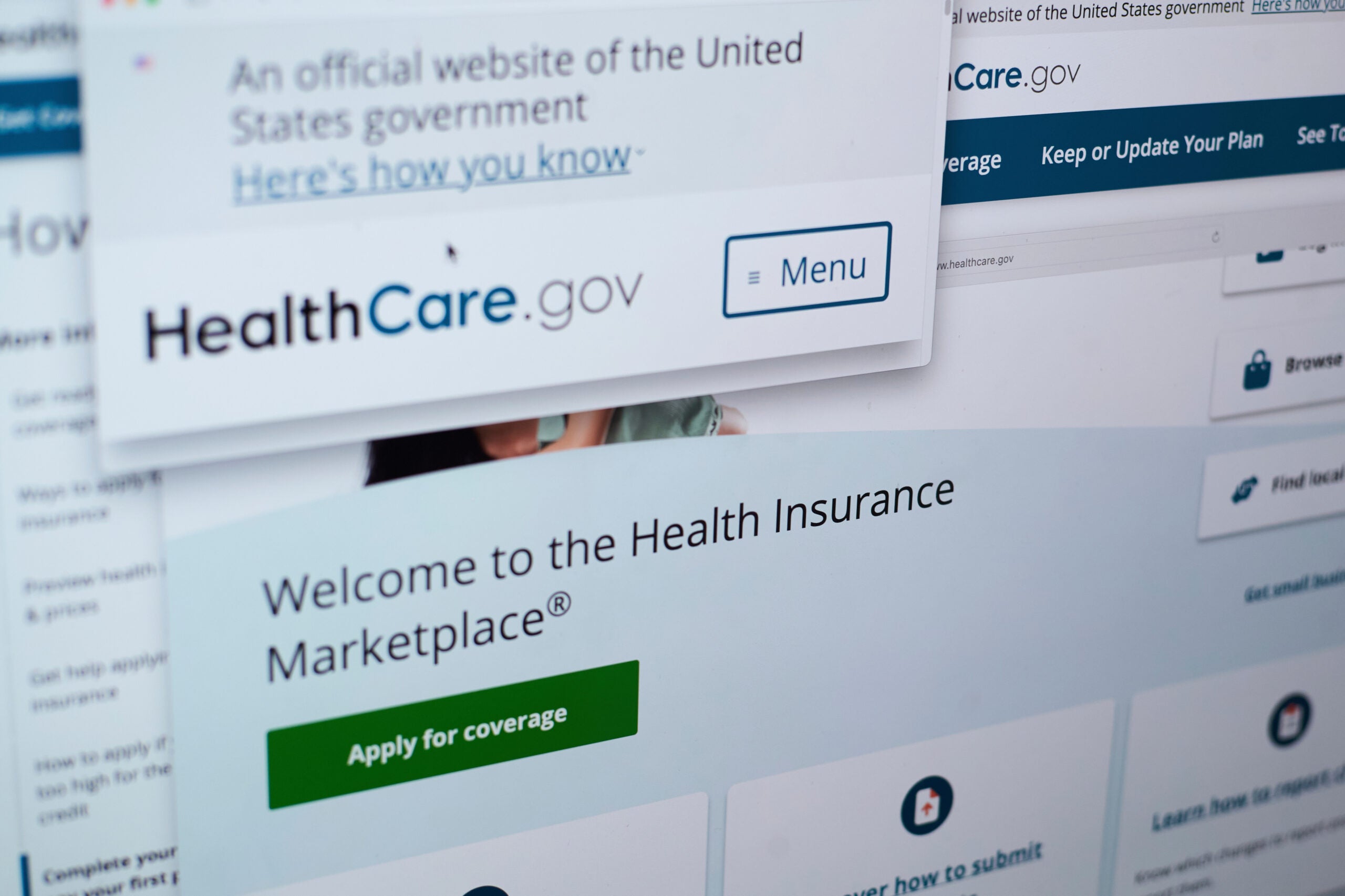
Healthcare.gov Updates: What You Need To Know
Navigating the world of health insurance doesn’t have to feel like decoding an ancient language, but let’s be honest—when the rules change, it can feel a little overwhelming. If you’re weighing your options for coverage, you’ve probably bumped into the Healthcare.gov portal. It’s the central hub for the Affordable Care Act marketplaces, and lately, there’s been a fair bit of chatter about updates to the site and the plans available. Whether you’re a first-time shopper or renewing an existing plan, keeping up with these changes is crucial for your wallet and your well-being.
Why Are There Updates To Healthcare.gov?
The healthcare landscape isn’t static. Prices shift, enrollment periods adjust, and subsidy structures evolve. The updates you see on Healthcare.gov aren’t just cosmetic tweaks to the color scheme. They are often tied to significant shifts in federal subsidies, state-level marketplace adjustments, or new eligibility criteria for financial assistance.
In recent years, the most notable changes have revolved around the expansion of premium tax credits. Thanks to legislation like the Inflation Reduction Act, millions of Americans now qualify for lower monthly premiums than they did just a few years ago. These updates are reflected directly on the site, changing how you see your plan options and what you actually pay out of pocket. If you were paying full price before, the updated system might suddenly show you a subsidy you never knew existed.
Understanding The New Subsidy Landscape
One of the biggest talking points is the expanded eligibility for premium tax credits. Previously, if you made too much, you were out of luck when it came to federal subsidies. Now, if your cost of health insurance exceeds a certain percentage of your income—which varies by age and zip code—you can get help paying the bill.
Here’s the practical impact: You might qualify for subsidies even if you earn well above the traditional thresholds. The system now calculates your subsidy based on the cost of the "benchmark" plan in your area. This means that in expensive markets, higher earners often qualify for more help. When you log in to Healthcare.gov, the interface is designed to walk you through this calculation, but understanding the basics helps you ask the right questions.
- Income isn't the only factor: Your location and age heavily influence your subsidy amount.
- Cost-of-living adjustments: Subsidy limits are adjusted annually to reflect inflation and healthcare costs.
- Automatic enrollment: If you qualify, the system applies these credits automatically to your monthly bills.
Navigating The Enrollment Periods
Timing is everything. You can’t just buy a plan whenever you want (unless a life-changing event forces your hand). The regular Open Enrollment Period (OEP) typically runs from November 1st to January 15th, but dates can shift slightly depending on state-specific rules and potential extensions.
Missing this window usually means you’re stuck with your current coverage until the next cycle. However, if you experience a Qualifying Life Event (QLE)—like getting married, having a baby, losing job-based coverage, or moving to a new zip code—you get a Special Enrollment Period (SEP). This is usually a 60-day window to make changes. The Healthcare.gov updates have made it easier to verify these events, but you still need to act quickly. Documentation is key here. Have your proof of termination or marriage certificate ready before you click "start application."
Silver Savings And Cost-Sharing Reductions
If you’re on a tighter budget, "Silver Savings" is a term you need in your vocabulary. This is essentially another way of describing Cost-Sharing Reductions (CSRs). If you choose a Silver plan and qualify based on income (generally up to 250% of the Federal Poverty Level), the plan is enhanced.
What does enhanced mean? It means your deductible is lower, and your copays for doctor visits and prescriptions drop significantly. But here’s the catch: You only see this benefit if you pick a Silver plan and qualify for the subsidy. Other metal tiers like Bronze or Gold don’t get this specific boost. The updates to Healthcare.gov are better at highlighting this option, but you have to actively look for it. Don’t just auto-select the cheapest premium; sometimes, a slightly higher premium with a lower deductible saves you money in the long run if you use medical services.
What Changes Mean For Your Application
You might notice the application process feels a bit smoother than in years past. The platform has been refined to reduce drop-offs and clarify confusing questions. However, accuracy is paramount. The system verifies income with the IRS, so guessing your salary can lead to bill shocks later. If you overstate your income to qualify for a plan and then underreport it, you’ll owe back taxes and pay penalties.
It’s better to err on the side of caution. If you’re unsure about your income, apply with your best estimate. You can update your household information later in the year if things change. The goal is to have coverage while you sort out the finances, as you can reconcile discrepancies when you file your taxes. The system is designed to be forgiving of honest mistakes, provided you keep your profile up to date.
How To Prepare For The Next Steps
Before you head to the site, gather your documents. You’ll need income information for you, your spouse, and dependents. Social Security numbers are required for everyone in the household. If you’re losing job-based coverage, have the termination date handy.
Once you’re in the portal, take your time comparing plans. Look beyond the monthly premium. Check the provider networks. Is your favorite doctor in-network? Are your preferred medications covered? The tool allows you to filter by doctor and drug, which is a lifesaver. Don’t let the subsidy amount blind you to a plan that leaves you with high out-of-pocket costs when you actually need care.
Frequently Asked Questions
Can I update my income during the year?
Yes, you should. If your income changes significantly, log in and update your profile. This ensures your premiums reflect your actual ability to pay and prevents large tax bills at the end of the year. You do this by reporting a "life event" related to income change.
What if I miss the Open Enrollment Period?
Unless you have a Qualifying Life Event, you generally cannot buy coverage mid-year. You would have to wait until the next Open Enrollment. Some states have their own marketplaces with different rules, so check your state’s specific regulations if you lived outside the federal exchange system.
Is the subsidy permanent?
The expanded subsidies from the Inflation Reduction Act are currently set to continue through 2025. For 2026 and beyond, Congress will need to decide whether to extend them. For now, if you qualify, the help is real and available.
Staying informed about these updates isn’t just about compliance; it’s about securing your health and financial stability. The system is complex, but with a little patience and attention to detail, you can find coverage that works for you.