Honda Element Car Camping The Ultimate Setup Guide
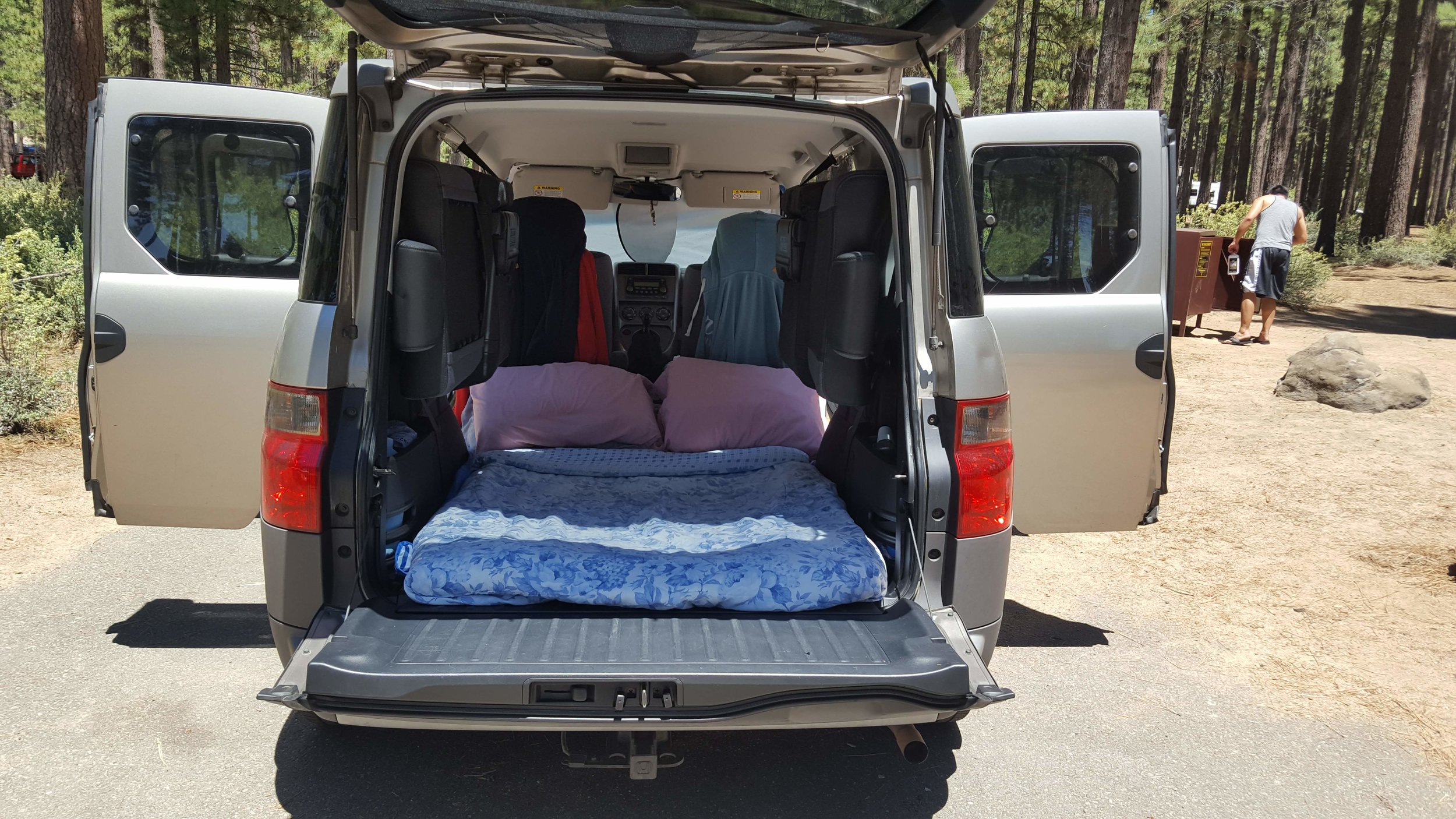
If you have ever looked at a Honda Element and thought it looked a bit like a toaster, you might be missing out on the most versatile camping vehicle ever built. That boxy, utilitarian design isn’t just nostalgia bait; it is a canvas for serious off-grid adventure. The Element’s rear clamshell doors open up to the sky like a barn, creating a seamless transition from car to camp. It’s low to the ground, great on gas, and tough enough to handle dirt roads that would spook a typical crossover.
But here’s the reality check: "carnibunk" doesn’t mean "luxury suite." The cargo space is surprisingly shallow. If you bring a standard queen-sized mattress, you will be sleeping with your knees against the dashboard. To make this work, you have to be smart about your dimensions, your gear selection, and your expectations. This guide breaks down how to turn that squared-off SUV into a cozy, functional basecamp without turning it into a cluttered storage closet when you aren’t camping.
Designing for the Cube: The Mattress Strategy
The single most important decision you will make is your sleeping surface. Because the Element’s cargo area has a low ceiling and vertical walls, you need a custom fit. Off-the-shelf foam toppers usually don’t cut it because they slide around or are too thick, reducing headroom.
Start by measuring your cargo space precisely. You need the length from the back of the rear seats (folded flat) to the back of the front seats, the width between the wheel wells, and the height from the floor to the lowest point of the rear doors.
- The Fold-Flat Approach: Most people remove the rear seating completely or fold them flat if your model allows it. This creates a longer, albeit narrower, sleep zone.
- High-Density Foam: Avoid cheap memory foam that heats up in the sun. High-density polyurethane foam is firmer, supports your back better, and holds its shape over years of use.
- Split Designs: Consider two twin mattresses instead of one full. This allows you to convert the bed into a seating area or remove one side for more cargo space during the day.
Once you have the foam, cover it with a waterproof, removable cover. Camps get dirty. Moss, mud, and sand will find their way inside. A zippered, washable cover saves you from having to air out a giant foam monolith in your driveway every week.
Storage That Doesn’t Sacrifice Headroom
One of the biggest mistakes Element owners make is stacking gear under the mattress. In a normal van, you have six feet of height. In an Element, you have about four. If you put a heavy plastic bin under your mattress, you effectively shorten your sleeping length by several inches.
To maximize space, look up, not down. Install a roof rack. The Element’s roof rails are robust and can handle a significant load. A rooftop cargo box or a roof-top tent (if you have the budget and mounting points) frees up every cubic inch of interior space for you and your air.
Inside the cabin, use the verticality of the side doors. Mount lightweight baskets or silicone suction organizers to the inside of the rear door frames. This is perfect for lanterns, water bottles, or snacks. It keeps these high-use items off the mattress and within easy reach. Under the second-row seats (if retained), you can fit long, thin gear like hiking poles, fishing rods, or tent poles.
Managing Power and Water
You don’t need a full electrical system to enjoy Element camping. In fact, adding heavy batteries and inverters eats up precious cargo space and adds weight. Keep it simple.
A few solar panels on the roof can charge a power bank or a small 12V battery box during the day. This is enough to keep your phone full, run LED strip lights, or power a small fan. For sleeping, rely on rechargeable lanterns that mount to the ceiling. This keeps wires off your sleeping surface and provides ambient light without waking up your partner.
Water is trickier. Large jugs are bulky. Instead of carrying five-gallon containers, use collapsible silicone water bags. They lay flat in awkward spaces and can be pumped into your sink or shower system if you have one. Always store water away from direct sunlight to prevent algae growth and plastic degradation.
Ventilation and Condensation Control
That boxy shape isn’t just for looks; it’s for airflow. The Element is notorious for window condensation if you don’t manage it. Every time you breathe, you release moisture. In a sealed metal and glass box, that moisture has nowhere to go.
Even in summer, crack the rear windows an inch. Create a cross-breeze by propping open a small gap in the front passenger window. If it’s raining, use those amazing Element rain guards. They keep the rain out while letting air circulate. Invest in a good quality dehumidifier hash or moisture absorber that hangs in the door pocket. It’s a small detail that prevents waking up to a damp, musty smell.
The Day Configuration
The best campers are quick to transition from sleep mode to road mode. When you wake up, you shouldn’t have to spend twenty minutes rearranging gear to drive away.
Use a modular system. Your bedding should roll up into a self-contained bag that zips closed. Store this bag in a dedicated spot under the seat or in a roof box. Your kitchen gear—pan, mug, knife—should be in a single bucket or soft-sided bag. This way, camping is just adding one bag to the back, not scattering fifty individual items across the cargo floor.
The Honda Element may not be the fastest car on the highway, nor is it the most aerodynamic. But for car camping, its quirks are its greatest strengths. The square shape makes nesting gear easy. The easy-access doors make setting up camp in the dark simple. And with a few strategic upgrades, that "toaster" becomes a cozy, efficient home on wheels that invites you to hit the trail more often.
Frequently Asked Questions
Can I fit a full-size mattress in a Honda Element?
Generally, no. The cargo space is too shallow for a standard full or queen mattress without having your knees pressed against the front seats. Most owners opt for custom-cut twin mattresses or thick, foldable foam toppers designed specifically for the Element’s dimensions.
Is the Honda Element good for off-road camping?
It is an AWD vehicle with decent ground clearance, making it suitable for light off-road trails, gravel roads, and forest service roads. However, it lacks the low-range gearing and robust suspension of dedicated 4x4 trucks. Stick to maintained trails and avoid rocky terrain or deep mud to prevent damage.
How do I handle cooking in the limited space?
Cook outdoors whenever possible. The cargo area is small and opening the rear doors while cooking creates a wind tunnel. Use a lightweight backpacking stove or a portable camp stove set up outside the vehicle. Keep your cooking gear in a collapsible bucket for easy cleanup and storage.
Do I need to install a splash guard for the rear door?
Highly recommended. When driving, the rear clamshell doors can allow mud to spray back into the bed, especially if your tires are wide. A simple splash guard or a custom-fit liner protects your sleeping area from road grime and keeps your interior clean longer.


![Car Camping [Hotelement] | Honda element camping, Honda element, Car ...](https://i.pinimg.com/736x/5f/b3/81/5fb38162604d88e752f365ddb5becac8.jpg)
