How 360‑Degree Cameras Are Redefining Visual Storytelling
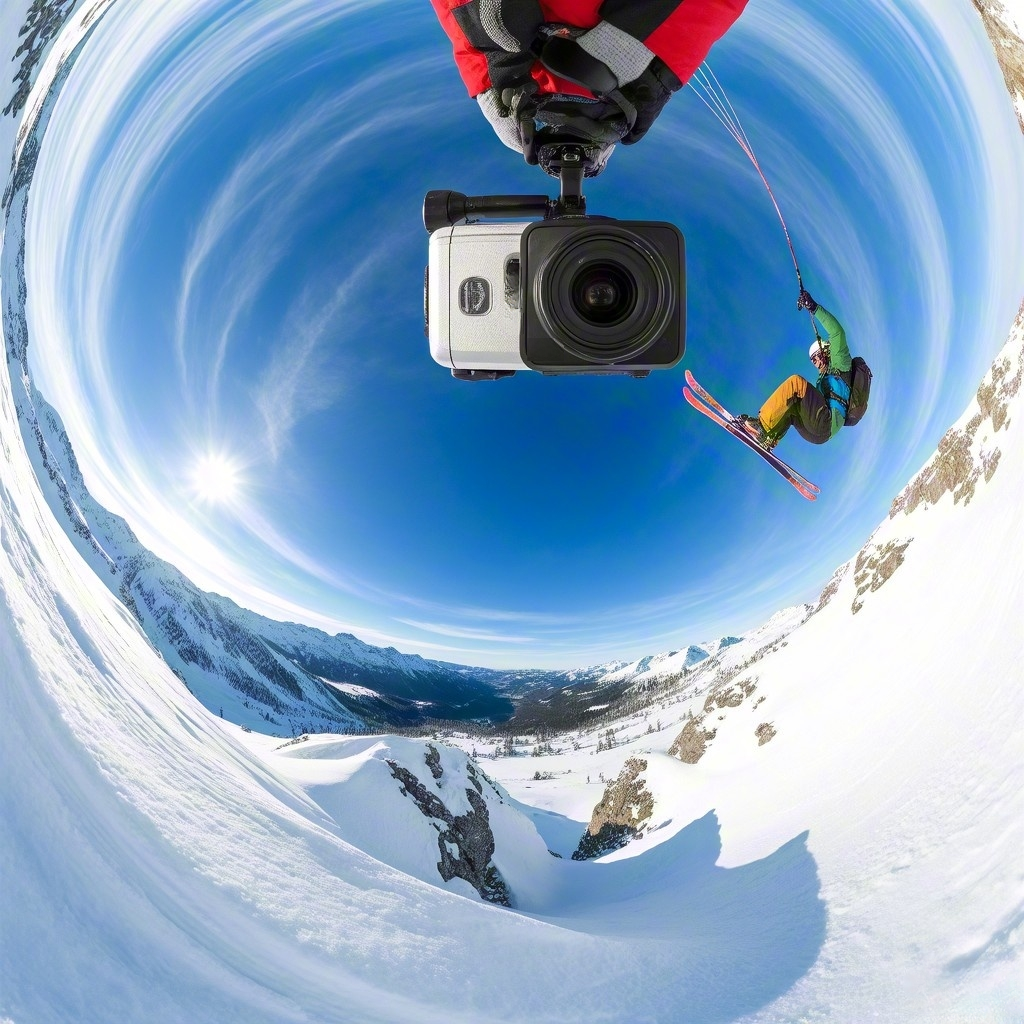
When you step inside a scene captured by a 360‑degree camera, the world feels suddenly larger—yet closer. No longer are we limited to a single viewpoint; the audience can look around, discover hidden details, and experience moments as if they were really there. This shift isn’t just a novelty for tech enthusiasts; it’s quietly reshaping how brands, creators, and educators convey their messages.
The Technology Behind the Panorama
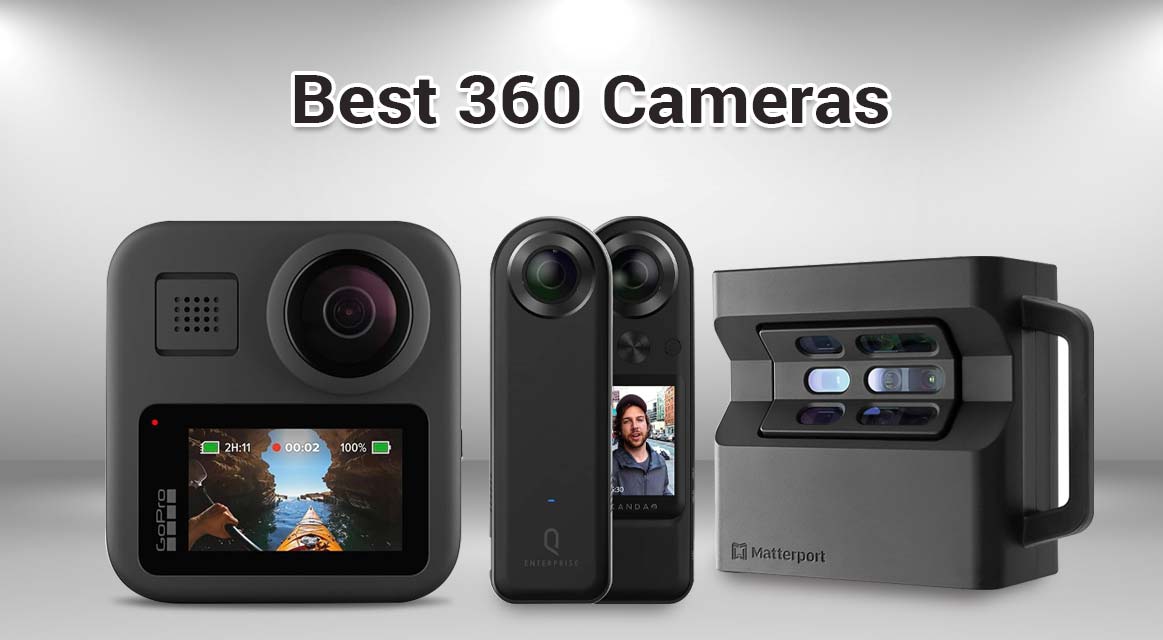
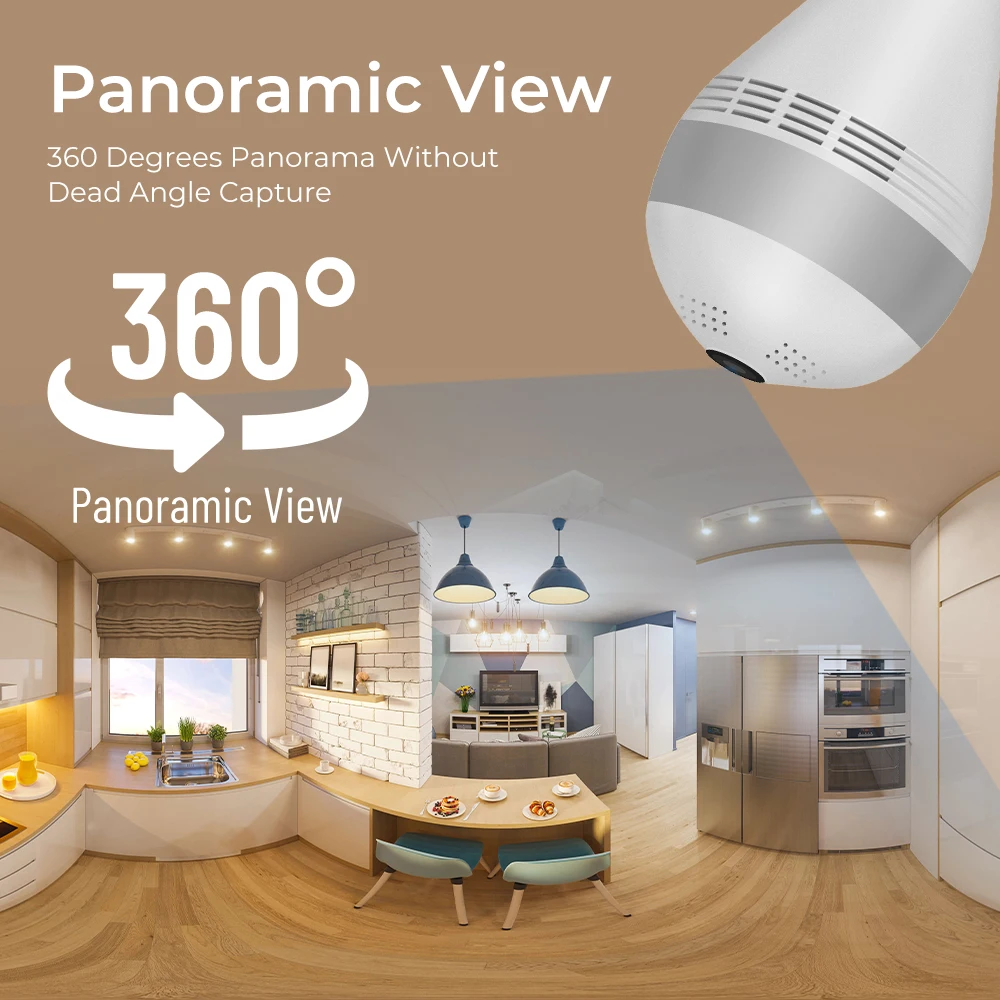
At its core, a 360‑degree camera packs multiple lenses, each sweeping a segment of the environment. The device’s software stitches those segments together in real time, producing a seamless sphere that can be explored on a phone, tablet, or VR headset.
- Multi‑lens arrays: Most consumer models use two lenses (one facing forward, one backward), while professional rigs may employ six or more for higher fidelity.
- Real‑time stitching: Modern processors handle the heavy lifting on‑the‑fly, so users can review footage instantly.
- Spatial audio: Adding direction‑aware sound reinforces immersion, making the visual experience feel truly three‑dimensional.
Why Creators Are Jumping In
From travel vloggers to real‑estate agents, the appeal is simple: more engagement. A viewer who can swivel the camera to peek behind a couch or around a bustling market stays longer on the page, and longer attention often translates to stronger brand recall.
Storytelling Flexibility
Traditional video forces you to decide what the audience should see. With 360°, you set the stage and let the viewer decide the focus. This open‑ended approach works particularly well for:
- Virtual tours of museums, hotels, or historic sites.
- Product demos where every angle matters—think sneakers, watches, or tech gadgets.
- Live events where attendees can “move” through a crowd without actually being there.
Production Simplicity
Surprisingly, creating a 360‑degree piece can be faster than a multi‑camera shoot. One rig captures the entire surroundings in a single take, eliminating the need for meticulous coverage planning. Of course, post‑production still requires careful editing—especially when you want to guide the viewer’s gaze with subtle cues.
Business Benefits You Can’t Ignore
While the creative thrill is evident, the bottom line often seals the deal for companies considering the technology.
- Higher conversion rates: Interactive tours have been shown to increase purchase intent by up to 30 % in online retail.
- Reduced travel costs: A virtual site inspection can replace multiple physical trips, saving time and budget.
- Data insights: Analytics now track where viewers look the longest, offering clues about product interest or storytelling success.
Challenges Still on the Horizon
No technology is without its hurdles, and 360‑degree cameras are no exception.
Resolution Limits
Because the image is spread across an entire sphere, the effective resolution per view can feel lower than a standard 4K video. Brands aiming for billboard‑level clarity often resort to higher‑end rigs that come with a heftier price tag.
Editing Complexity
Stitch lines, exposure mismatches, and moving objects can create artifacts. While software is improving, skilled editors still need a keen eye to smooth out those hiccups.
Viewer Accessibility
Not everyone has a VR headset, and some browsers struggle with smooth 360 playback. Offering a fallback 2D version or simple click‑and‑drag navigation can broaden reach.
Future Directions: Where the Scene Is Heading
Look ahead a few years, and you’ll likely see three trends converging.
- AI‑assisted stitching: Machine learning models are already learning to predict and correct mismatches, making the workflow faster and more reliable.
- Live 360 streaming: Sports leagues and concerts are experimenting with real‑time immersive broadcasts, turning passive viewers into active participants.
- Hybrid experiences: Imagine a 360 scene blended with AR overlays—click a virtual sign to pull up product specs, or watch a 3D animation unfold right before your eyes.
Getting Started Without Breaking the Bank
If you’re curious but hesitant about the investment, try these low‑risk steps:
- Rent a mid‑range 360 camera for a weekend shoot to test the workflow.
- Use free or trial versions of stitching software—many offer decent results for short clips.
- Start with a single, compelling story—perhaps a behind‑the‑scenes look at your office—to gauge audience reaction.
Remember, the goal isn’t to replace traditional video but to complement it. A well‑placed 360 segment can add depth to a campaign, while the rest of the content remains grounded in familiar formats.
Wrapping Up the Visual Shift
The rise of 360‑degree cameras reflects a broader desire for immersion. As hardware becomes more affordable and software smarter, the line between “watching” and “being there” continues to blur. Whether you’re a marketer, educator, or hobbyist, embracing this visual revolution offers a fresh way to connect—one that lets the audience decide what they see, while you focus on crafting moments worth exploring.