How 988 Becomes Your Lifeline for Mental Health Support
When you’re in the middle of a crisis, dialing a number that feels easy to remember can make all the difference. That’s why the United States rolled out 988 as the dedicated, three‑digit lifeline for mental health emergencies. In the first few minutes after you pick up the phone, you’ll be connected to trained counselors who can help you navigate the moment, whether you’re feeling hopeless, overwhelmed, or just need someone to listen.
What 988 Is and Why It Matters
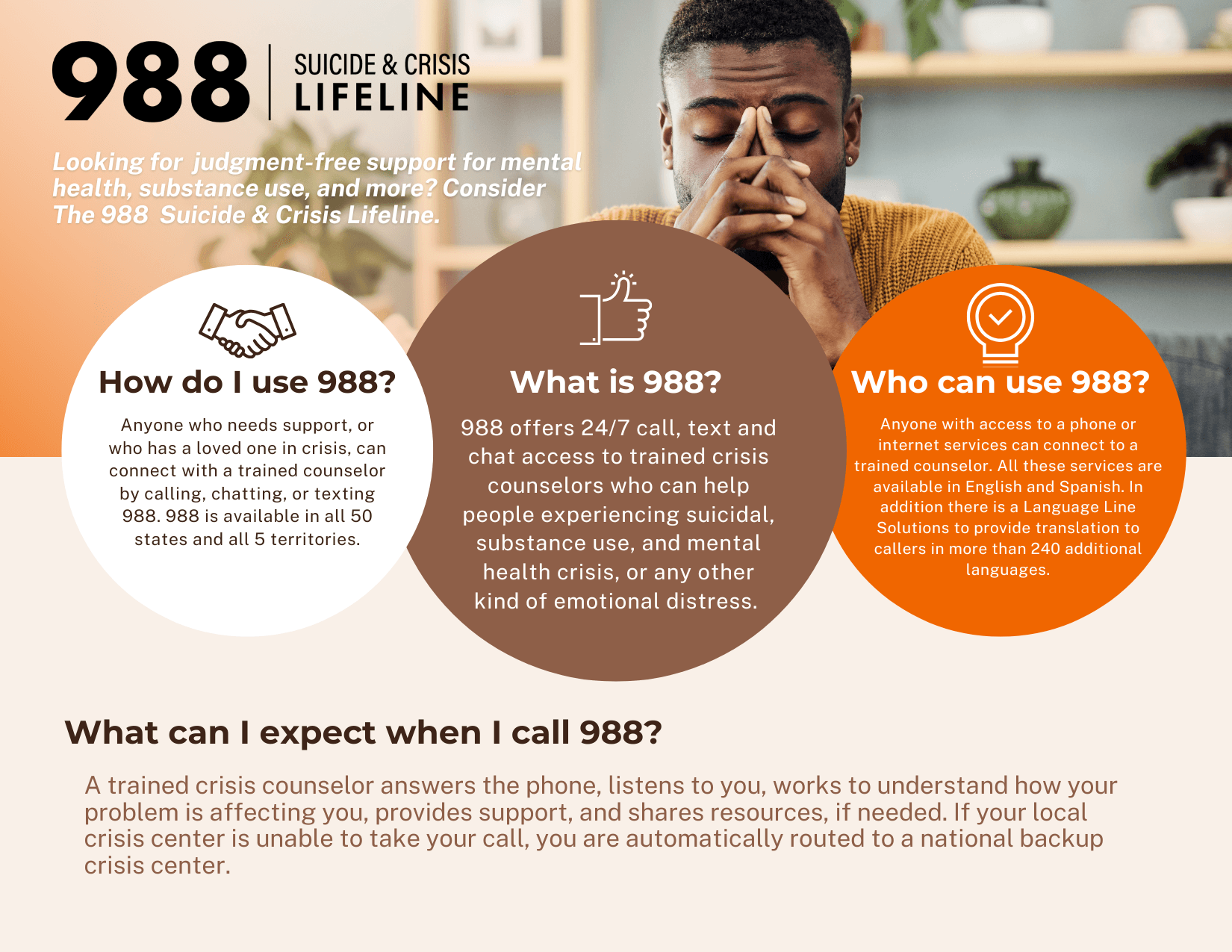
988 is the national suicide prevention and mental health crisis hotline that officially launched on July 16, 2022. It replaces the older 1‑800‑273‑8255 number, offering a simpler, more memorable alternative that mirrors the ease of dialing 911. The service is free, confidential, and available 24/7 across all 50 states, the District of Columbia, and U.S. territories.
Beyond the convenience of the number itself, 988 integrates an extensive network of crisis centers, known as call centers, that already existed under the former hotline. Those centers now answer under the new banner, meaning you’re still reaching the same experienced staff, just with a shorter dial.
How the System Works
When you call 988, your call is routed to the nearest crisis center based on your area code. A typical interaction goes like this:
- Connection: You’re greeted by a trained crisis counselor within seconds.
- Assessment: The counselor asks gentle, open‑ended questions to understand your situation.
- Support: You receive coping strategies, safety planning, or referrals to local services.
- Follow‑up: If needed, the counselor can arrange a callback or connect you with an emergency response team.
Most centers also offer a text‑to‑988 service, allowing you to start a conversation via SMS if you’re more comfortable typing than speaking. The text line operates during the same hours as the phone line.
What to Expect When You Call
First, don’t worry about “getting the right” reason for calling. 988 is designed for any mental‑health‑related crisis, including thoughts of self‑harm, acute anxiety, panic attacks, or feeling trapped in an abusive situation.
The counselor’s tone is usually calm and non‑judgmental. They’ll use reflective listening—repeating back what you say in their own words—to show they’re truly hearing you. If you’re in immediate danger, the counselor may ask for your location and, with your permission, dispatch local emergency services.
Even if you’re not in a life‑threatening scenario, the call can still be valuable. Many callers discover simple grounding techniques, such as the “5‑4‑3‑2‑1” sensory exercise, or learn about community resources they hadn’t known existed.
Beyond the Call: Resources and Follow‑Up
While 988 is a critical first step, it’s often part of a broader safety net. Counselors may suggest:
- Local mental‑health clinics that accept sliding‑scale fees.
- Peer‑support groups, both in‑person and virtual.
- Online therapy platforms that offer low‑cost options.
- National hotlines for specific populations, such as veterans or LGBTQ+ youth.
Some crisis centers also provide a “callback” option, where you can schedule a brief follow‑up call after you’ve had time to process the initial conversation. This can be especially helpful if you’re feeling better but still uncertain about next steps.
Common Concerns and Misconceptions
It’s natural to have questions before reaching out. Here are a few that pop up frequently:
- “Will calling 988 get me arrested?” – Not unless you’re an immediate danger to yourself or others and you refuse help. The priority is to keep you safe, not to punish.
- “Is the line only for suicidal thoughts?” – No. 988 welcomes any mental‑health crisis, from severe depression to overwhelming grief.
- “What if I’m not in the U.S.?” – 988 is a U.S. service. If you’re abroad, look for your country’s local crisis number or the International Suicide Hotlines list.
- “Can I stay anonymous?” – Yes. You’re not required to give your name, address, or any identifying information unless you ask for specific services that need it.
Tips for Making the Most of Your Call
Consider these practical suggestions to help the conversation flow smoothly:
- Find a quiet spot where you won’t be interrupted.
- Have a pen and paper handy for note‑taking.
- Be as honest as you feel comfortable—counselors are trained to work with incomplete information, but the more you share, the better they can tailor support.
- If you can, note down the name of the crisis center you reach; it can be useful for future reference.
FAQ
Is 988 available on weekends?
Yes. The line operates 24 hours a day, seven days a week, including holidays.
Can I use 988 if I’m a teen?
Absolutely. The service is intended for people of all ages. Many centers have specialists who are experienced in talking with adolescents.
What if I’m hearing voices or experiencing psychosis?
You can still call 988. Counselors are trained to de‑escalate a wide range of mental‑health symptoms and can help connect you with psychiatric services if needed.
How long does a typical call last?
Calls vary, but most last between 10 and 30 minutes. The length depends on the complexity of the situation and your comfort level.