How a Geophysics Degree Can Pay Off: What to Expect
Choosing a university program is never a quick decision, especially when the field feels as niche as geophysics. You might wonder whether the tuition, time, and effort will translate into a stable career or simply add another line on your résumé. Let’s unpack the realities of a geophysics degree—its strengths, its challenges, and the concrete ways it can shape your professional future.
What Exactly Is Geophysics?
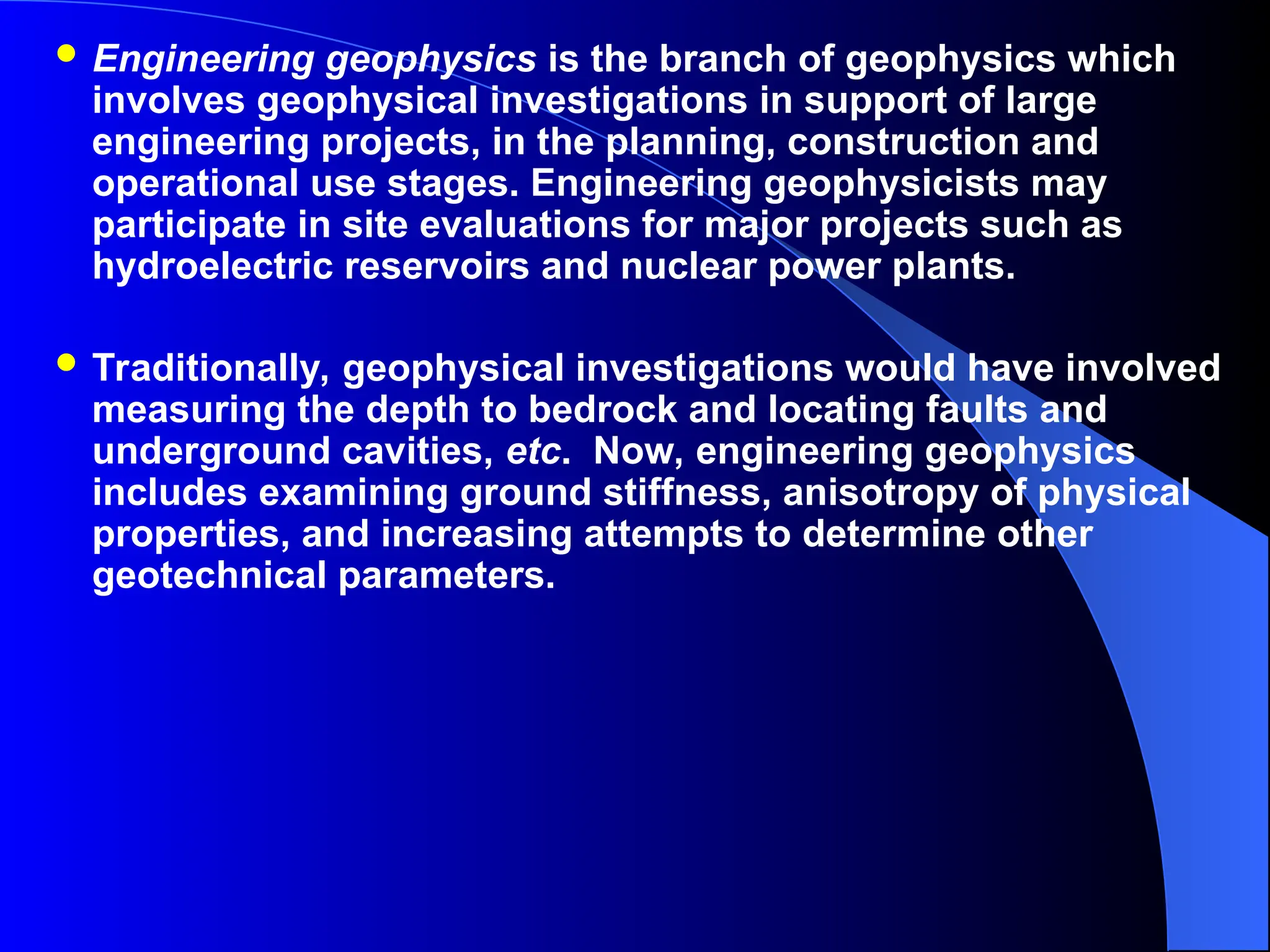
At its core, geophysics applies physics principles to study the Earth’s interior and surface processes. Think of it as the science that lets us “see” beneath the ground without digging—using seismic waves, magnetic fields, gravity anomalies, and even satellite data.
That breadth means graduates can end up in very different roles, from oil and gas exploration to environmental consulting, from academic research to planetary missions.
Key Benefits of the Degree
- Versatile skill set. Mastery of data analysis, programming (often Python or MATLAB), and field instrumentation equips you for a wide array of technical jobs.
- High‑impact work. Whether you’re locating groundwater sources in arid regions or helping mitigate earthquake risk, the outcomes often have tangible societal value.
- Strong earning potential. According to recent salary surveys, entry‑level positions in the energy sector can start around $70,000 USD, with senior roles climbing well beyond $120,000.
- Global opportunities. The techniques you learn are portable—companies in Canada, Norway, Australia, and beyond all need geophysicists.
Typical Career Paths
Energy Exploration
The most recognizable route lands you at oil and gas firms, where you’ll interpret seismic surveys to find hydrocarbon reservoirs. While the industry faces a gradual shift toward renewables, the demand for subsurface expertise remains robust for the next decade.
Environmental Consulting
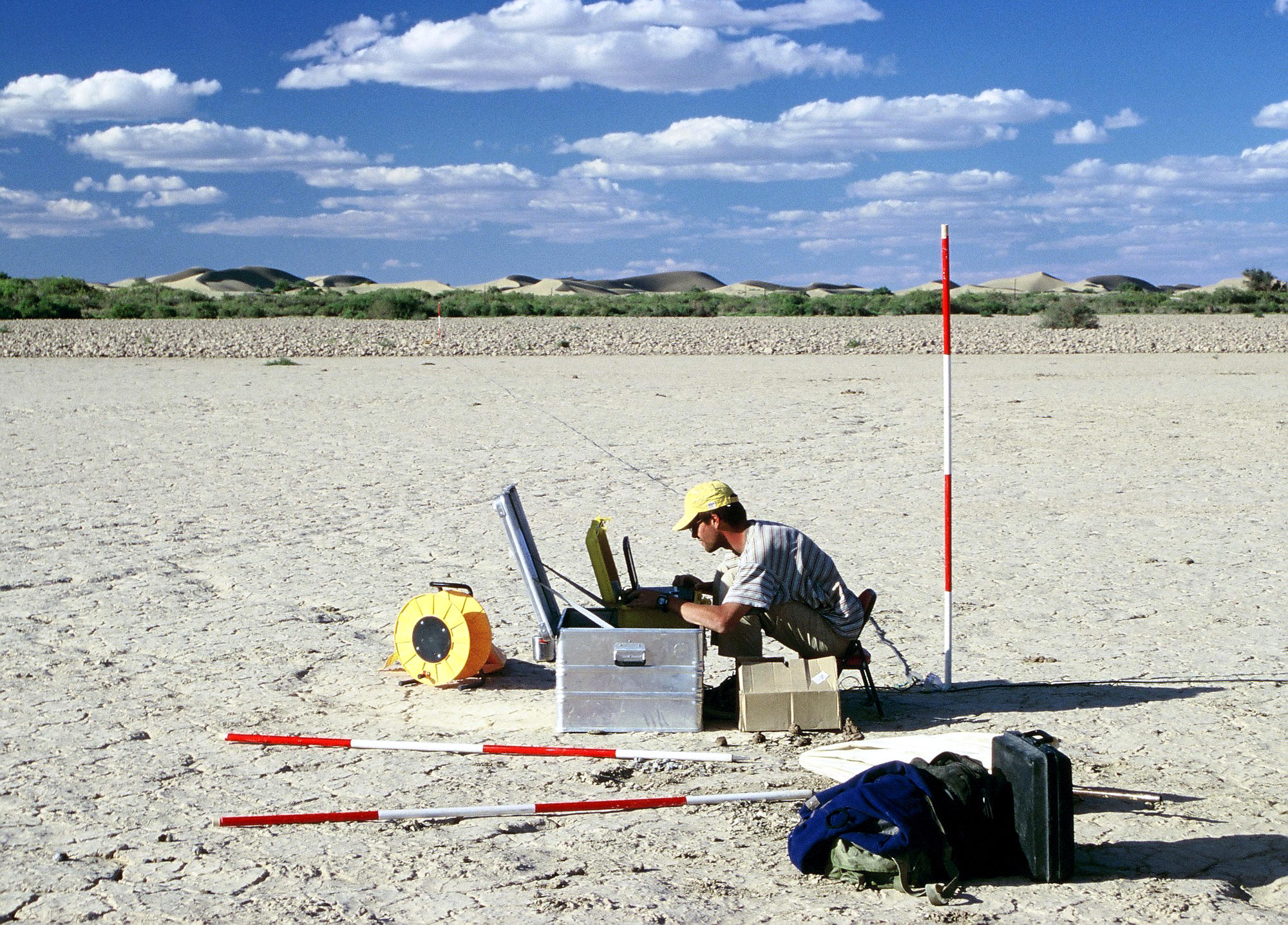
Government agencies and private consultants hire geophysicists to assess contamination, locate aquifers, or monitor landslide risk. These roles often blend fieldwork with regulatory reporting, providing a mix of outdoor and office work.
Academic and Research Positions
If you love digging into data for its own sake, a PhD can open doors to university faculty spots or research labs. Projects might range from modeling mantle convection to designing instruments for Mars missions.
Emerging Tech and Renewables
Newer sectors—like geothermal energy, carbon capture, and even space mining—are actively recruiting geophysics talent. Your ability to map subsurface structures becomes a crucial asset as these industries scale.
Financial Considerations
Tuition for a four‑year bachelor’s program in the United States typically ranges from $15,000 to $45,000 per year, depending on public vs. private institutions. Add to that living costs, textbooks, and field trip fees, and you’re looking at a total investment of $80,000–$180,000.
However, many schools offer scholarships targeted at STEM majors, and some companies provide tuition assistance for employees who continue study while working. Calculating a realistic return‑on‑investment (ROI) means weighing these offsets against projected salaries and career stability.
Is the Investment Worth It? A Quick ROI Checklist
- Do you have a clear target industry (e.g., oil & gas, environmental consulting) that values a geophysics background?
- Can you secure internships or co‑ops that lead to full‑time offers?
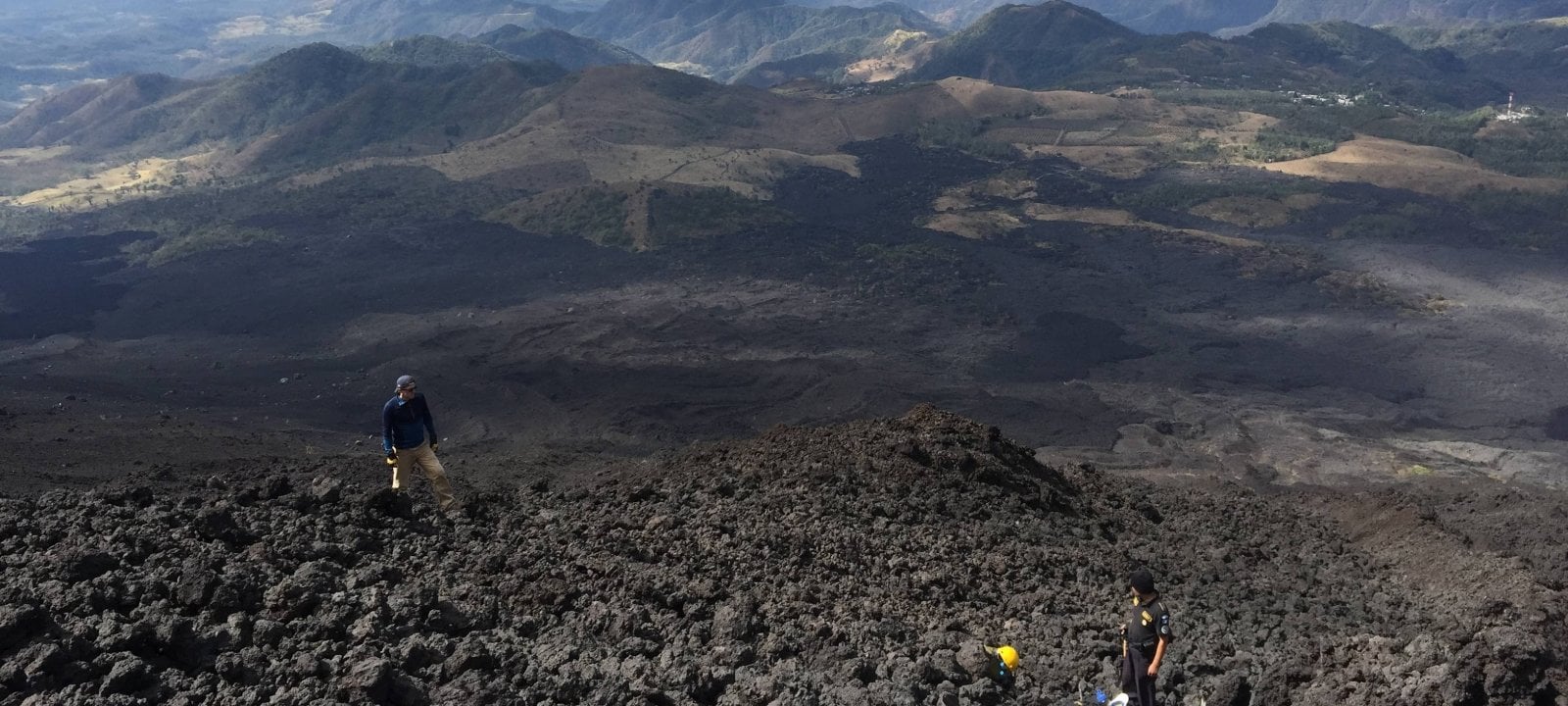
- Are you comfortable with a blend of fieldwork—sometimes in remote locations—and desk‑based data analysis?
- Do you see yourself potentially pursuing graduate studies to unlock higher‑pay roles?
If you answered “yes” to most of these, the odds tilt toward a favorable ROI.
Practical Tips for Maximizing Value
1. Start networking early. Attend industry conferences, join societies like the Society of Exploration Geophysicists, and connect with alumni. A single referral can turn a generic application into a job interview.
2. Master coding. Employers frequently list Python, MATLAB, or R as required skills. Even a basic proficiency can set you apart from peers who focus solely on theoretical coursework.
3. Get hands‑on experience. Field labs, summer research programs, or volunteer projects give you the kind of resume bullet that hiring managers love: “Collected and processed 3D seismic data for a groundwater study.”
4. Keep an eye on industry trends. The global push toward sustainable energy means geothermal and carbon‑capture projects are gaining traction. Aligning your electives with these areas can future‑proof your skill set.
Potential Drawbacks to Keep in Mind
While the upside is compelling, a few challenges deserve attention. The field can be cyclical—energy market downturns may temporarily shrink job openings. Additionally, some positions require extended time abroad or in remote sites, which isn’t everyone’s lifestyle preference.
Finally, the technical nature of the work means you’ll spend a lot of time with complex software and data sets. If you thrive on constant variety or rapid‑fire creativity, you might find the routine analysis phases a bit monotonous.
Final Thought
In the end, a geophysics degree isn’t a guaranteed ticket to wealth, but it does open doors to a handful of high‑impact, well‑compensated careers. By pairing academic rigor with strategic internships and a willingness to adapt to evolving industry demands, you can turn the initial financial outlay into a long‑term professional advantage.