How Age Affects Glioblastoma Incidence Rates
Glioblastoma, the most aggressive primary brain tumor, doesn’t strike everyone equally. While the disease is rare overall, its distribution across different age groups reveals a striking pattern that clinicians and researchers pay close attention to. Understanding these age‑related trends helps shape screening strategies, informs prognosis discussions, and guides the design of new therapies.
What the Numbers Tell Us
Population‑based cancer registries, such as SEER in the United States and the European Cancer Registry, consistently show a steep rise in glioblastoma cases as people get older. In broad strokes:
- Children (0‑14 years): Less than 1 % of all glioblastoma diagnoses.
- Young adults (15‑39 years): Roughly 5 % of cases.
- Middle‑aged adults (40‑64 years): About 45 % of diagnoses.
- Seniors (65+ years): Nearly half of all glioblastoma cases occur in this group.
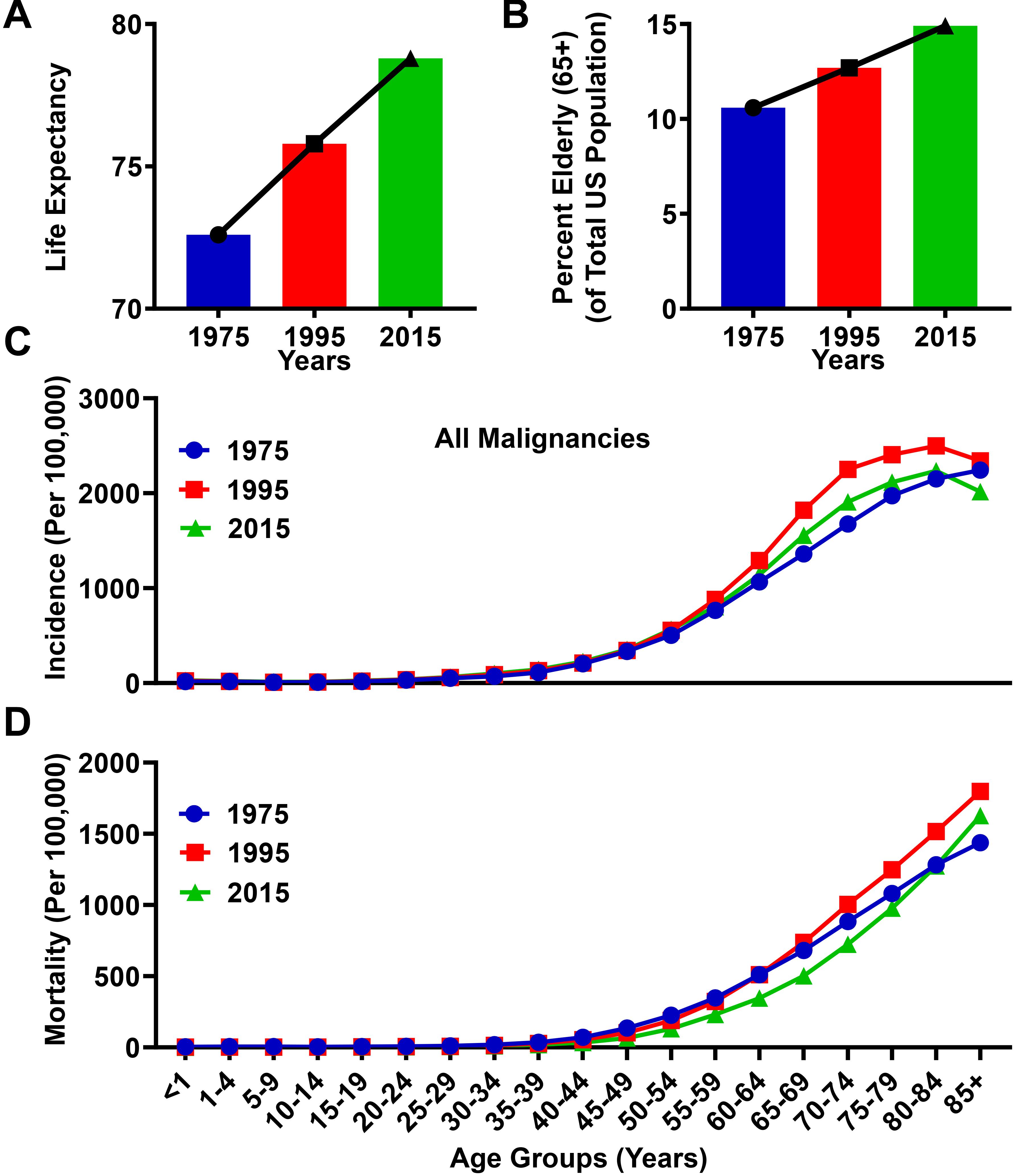
The jump isn’t linear; instead, incidence accelerates sharply after the fifth decade of life, peaking in the early seventies before tapering off slightly in the very elderly.
Why Does Age Matter?
Several biological and environmental factors converge as we age, creating a fertile ground for malignant brain cells to emerge.
Cellular wear and tear
Neurons and glial cells accumulate DNA damage over decades. The brain’s ability to repair this damage declines, and mutations that would normally be corrected can slip through, potentially triggering oncogenic pathways.
Immune system changes
Immunosenescence— the gradual weakening of immune surveillance— reduces the body’s capacity to recognize and eliminate abnormal cells. In older adults, this diminished vigilance can let a rogue glial cell proliferate unchecked.
Exposure history
Lifetime exposure to radiation, certain chemicals, or chronic inflammation may compound over the years. While no single environmental toxin has been definitively linked to glioblastoma, the cumulative effect of decades‑long exposures cannot be dismissed.
Geographic and Demographic Nuances
Age‑related incidence patterns hold true across continents, but subtle variations exist. For example, European data typically show a slightly higher peak incidence in the 70‑74 age bracket, whereas North American figures often peak a few years earlier, around 65‑69. These differences may reflect variations in healthcare access, diagnostic practices, or even genetic background.
Implications for Patients and Providers
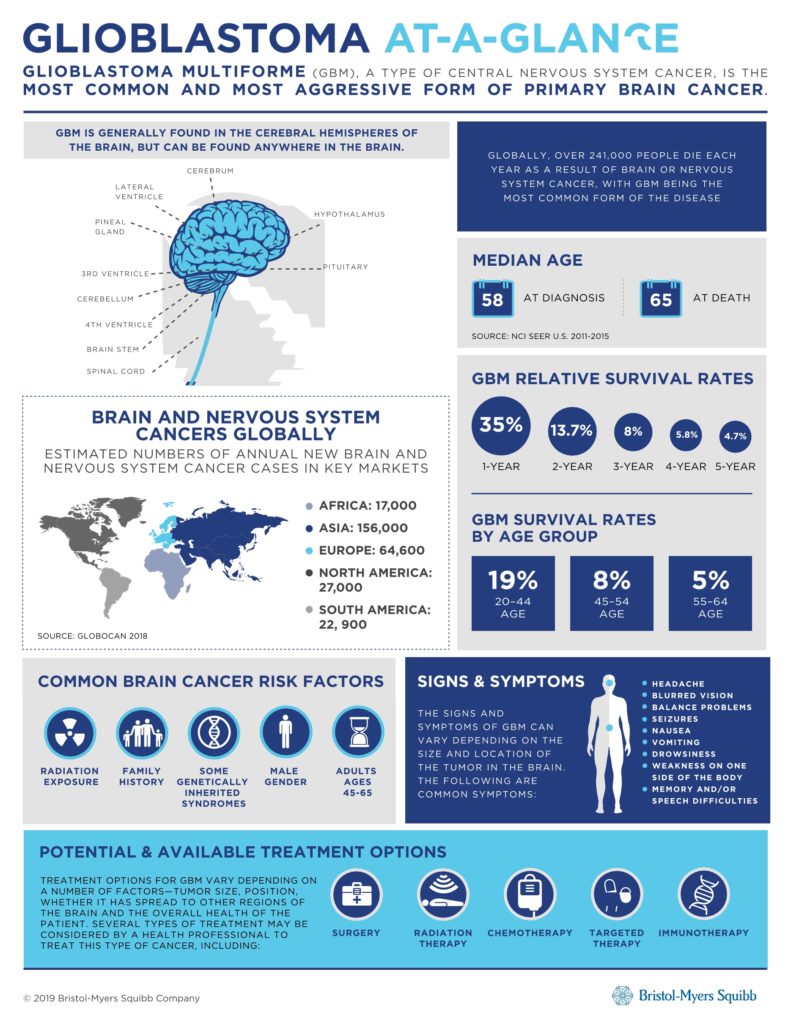
When a 58‑year‑old patient presents with new neurological symptoms, the odds of glioblastoma are markedly higher than for a teenager with the same complaints. This influences:
- Diagnostic urgency: older patients often receive advanced imaging sooner.
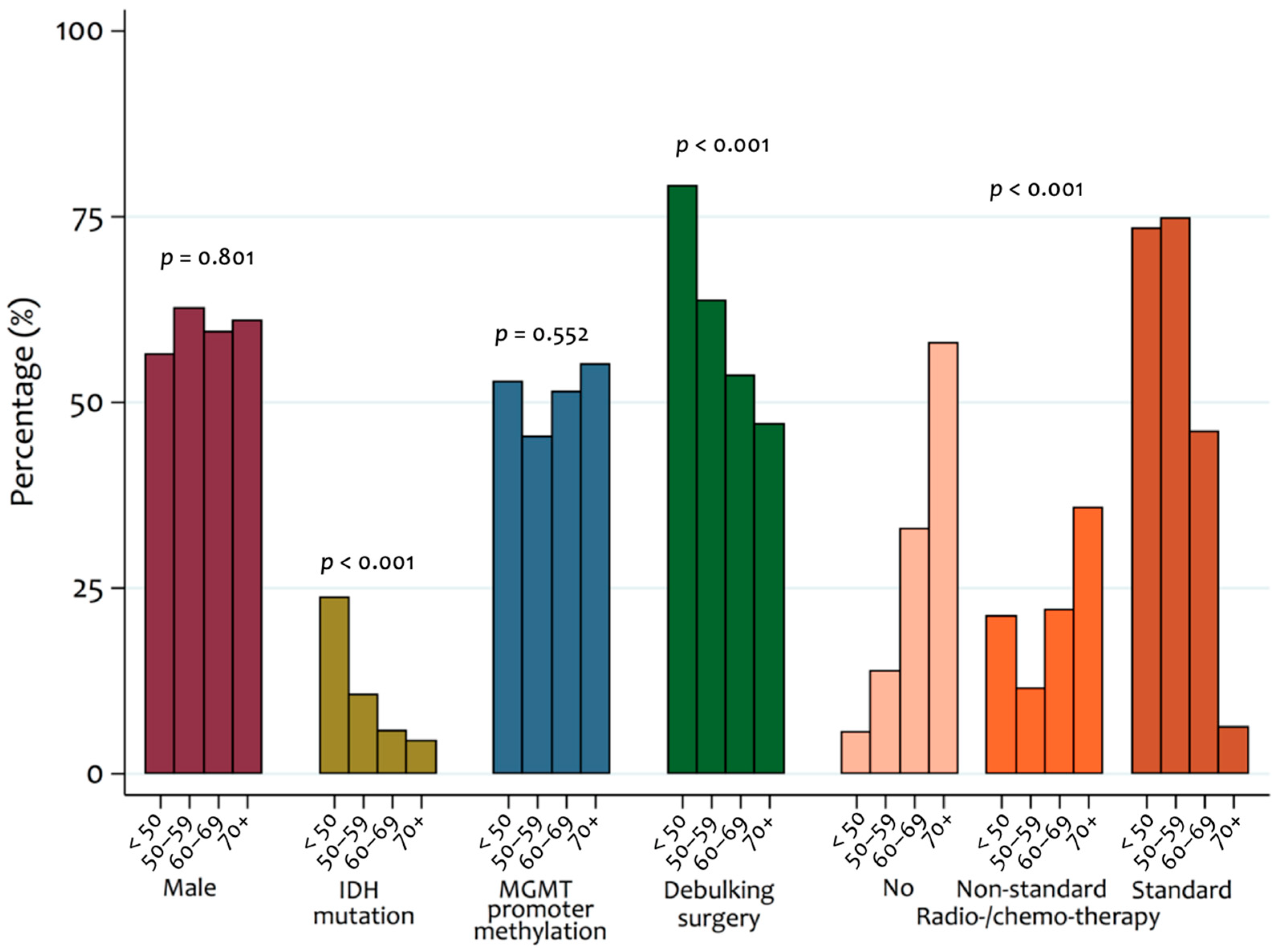
- Treatment planning: age‑related comorbidities affect surgical candidacy and tolerance to chemoradiation.
- Prognostic counseling: survival statistics are age‑dependent, with younger patients generally faring better.
Nevertheless, clinicians avoid making assumptions based solely on age. Each case is evaluated on its own merits, integrating imaging, histopathology, and the patient’s overall health.
Research Frontiers: Age‑Specific Therapies?
Recognizing the age gradient in glioblastoma incidence has spurred a handful of innovative research directions.
- Age‑tailored clinical trials: Some studies now stratify enrollment by age to detect differential drug responses.
- Biomarker discovery: Researchers are hunting for molecular signatures that might explain why older brains are more vulnerable.
- Preventive strategies: Although primary prevention remains elusive, lifestyle interventions that reduce overall inflammation are being explored for potential long‑term brain health benefits.
These efforts reflect a broader shift toward precision medicine, where age is treated as a biological variable rather than a mere demographic label.
Key Takeaways
Glioblastoma remains a formidable foe, but its incidence isn’t spread evenly across the lifespan. The disease is exceptionally rare in children, modest in young adults, and then climbs dramatically after age 40, reaching a peak among those in their seventies. This age‑dependent pattern arises from accumulated genetic damage, immune system changes, and lifelong exposures.
For patients, awareness of these trends can prompt earlier medical attention when symptoms appear. For clinicians, age informs diagnostic urgency, therapeutic choices, and prognostic discussions, while reminding them to treat each individual case with nuance.
Ongoing research aims to decode the biological underpinnings of this age effect, with the hope of eventually delivering therapies that consider a patient’s age as a central factor—not just a footnote.