How AI Is Strengthening IoT and Supply Chain Security
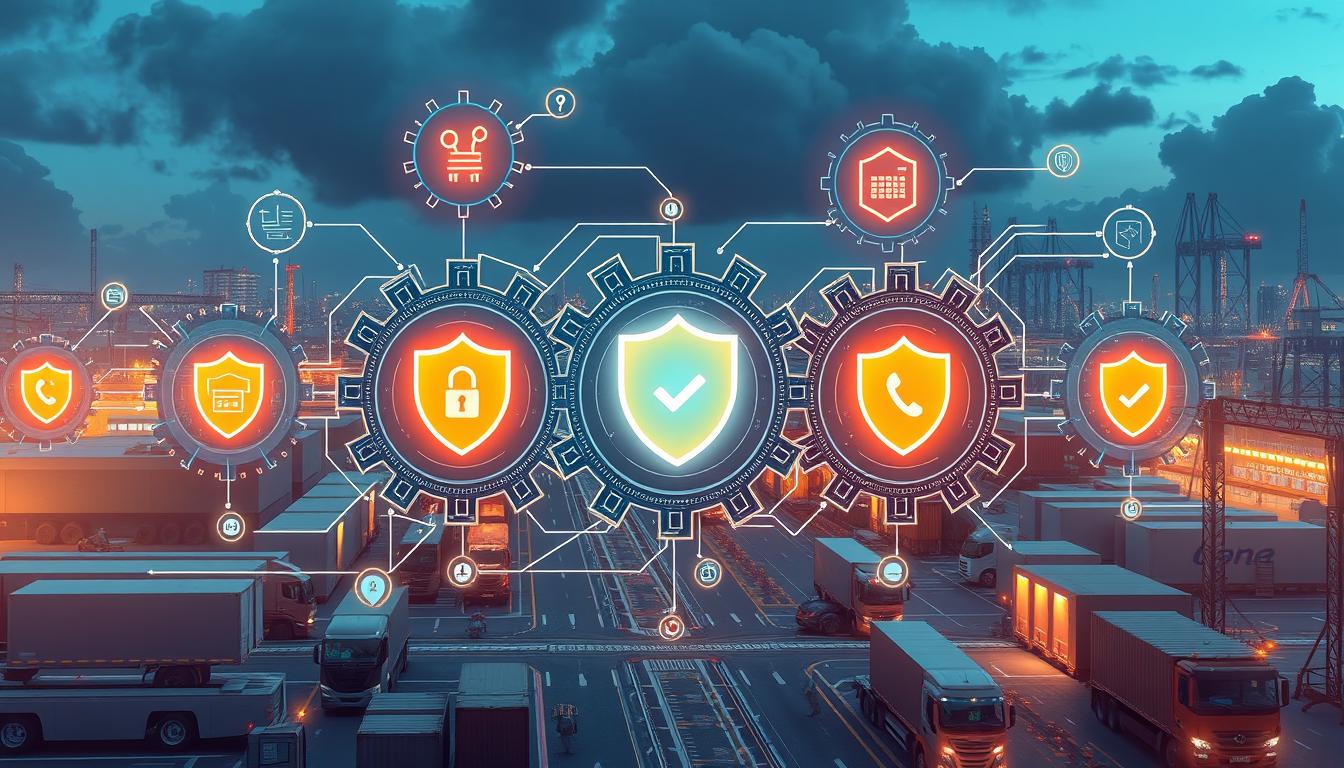
When you think of a modern supply chain, you probably picture a network of factories, trucks, and warehouses humming in sync. Behind that choreography lies a growing army of Internet‑of‑Things devices—sensors, RFID tags, smart cameras—feeding real‑time data to managers thousands of miles away. The same data streams, however, also open doors for bad actors. That’s where artificial intelligence steps in, acting as both watchdog and problem‑solver.
Why AI Matters for IoT‑Powered Logistics
IoT devices are notoriously diverse. A temperature sensor in a refrigerated container talks a different language than a GPS tracker on a delivery van. Traditional security tools struggle to keep up, often relying on static rules that quickly become obsolete. AI, by contrast, thrives on variation. It can learn normal behavior patterns across dozens of device types and flag anomalies that would slip past a signature‑based system.
- Continuous learning: Machine‑learning models update themselves as new data arrives, reducing the need for manual rule tweaks.
- Contextual awareness: AI correlates events—say, a sudden spike in network traffic with a temperature rise in a cargo hold—to infer genuine threats.
- Scalable monitoring: Whether you have ten sensors or ten thousand, AI algorithms can process the influx without a proportional increase in human analysts.
Real‑World Threats Targeting the Supply Chain
Before diving into solutions, it helps to know the adversaries you’re up against. Some common attack vectors include:
- Device hijacking: Hackers compromise a sensor and feed false readings, causing perishable goods to spoil or triggering unnecessary shutdowns.
- Man‑in‑the‑middle attacks: Intercepted communications let attackers inject malicious commands into autonomous vehicles or robotic arms.
- Supply‑chain poisoning: Malicious code injected into firmware during manufacturing can lay dormant until the device boots up in the field.
Each of these scenarios can ripple through the entire network, leading to delayed shipments, financial loss, or even safety hazards.
How AI Detects These Risks
Rather than waiting for a breach to occur, AI‑driven systems employ a blend of techniques:
- Behavioral analytics: Baseline models establish typical device activity; deviations trigger alerts.
- Threat intelligence feeds: AI cross‑references known malicious IPs or signatures, enriching its detection capabilities.
- Predictive modeling: By analyzing historical incidents, the system can forecast vulnerable nodes before they’re exploited.
Integrating AI Into Existing Security Frameworks
Most organizations already have firewalls, VPNs, and endpoint protection in place. Adding AI doesn’t mean ripping out these layers; it means augmenting them. A practical rollout might look like this:
- Audit your IoT ecosystem. Identify every connected device, its data flow, and its criticality to operations.
- Choose an AI platform. Options range from cloud‑based analytics services to on‑premise edge solutions, depending on latency and compliance needs.
- Feed it data. Ingest logs, telemetry, and network packets. The richer the dataset, the smarter the model becomes.
- Define response playbooks. When the AI flags an anomaly, decide whether to automatically isolate a device, send a notification, or trigger a deeper forensic scan.
Remember, AI is a tool—not a silver bullet. Human oversight remains essential, especially when the system flags borderline cases that require business judgment.
Balancing Security With Operational Efficiency
Too often, tightening security slows down processes—think of a scanner that pauses every shipment for a manual check. AI helps restore balance by automating routine verification steps. For example, a machine‑learning model can confirm that a temperature sensor’s reading aligns with external weather data, allowing the shipment to continue without human interruption.
At the same time, organizations should beware of “alert fatigue.” Bombarding staff with false positives erodes trust in the system. Regularly retraining models and fine‑tuning thresholds can keep alerts meaningful and actionable.
Looking Ahead: What the Future Holds
As 5G rolls out and edge computing becomes mainstream, the volume and velocity of IoT data will explode. AI will likely migrate closer to the devices themselves, enabling on‑device inference that detects threats in milliseconds. Meanwhile, advances in federated learning promise to improve models without exposing raw data—a boon for privacy‑sensitive supply chains.
In short, the partnership between AI, IoT, and supply chain security is still evolving, but the trajectory is clear: smarter, faster, and more resilient operations.