How Autoimmune Disorders Influence Stevens‑Johnson Syndrome
Understanding the Basics
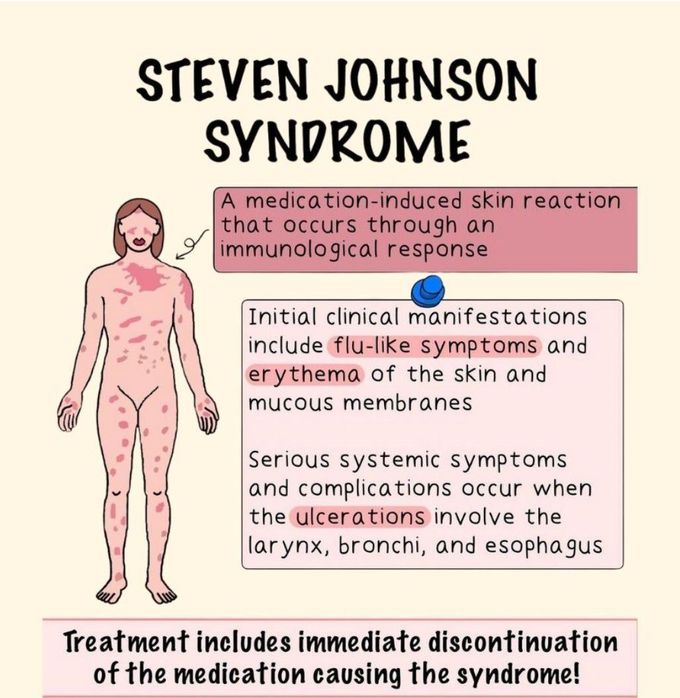
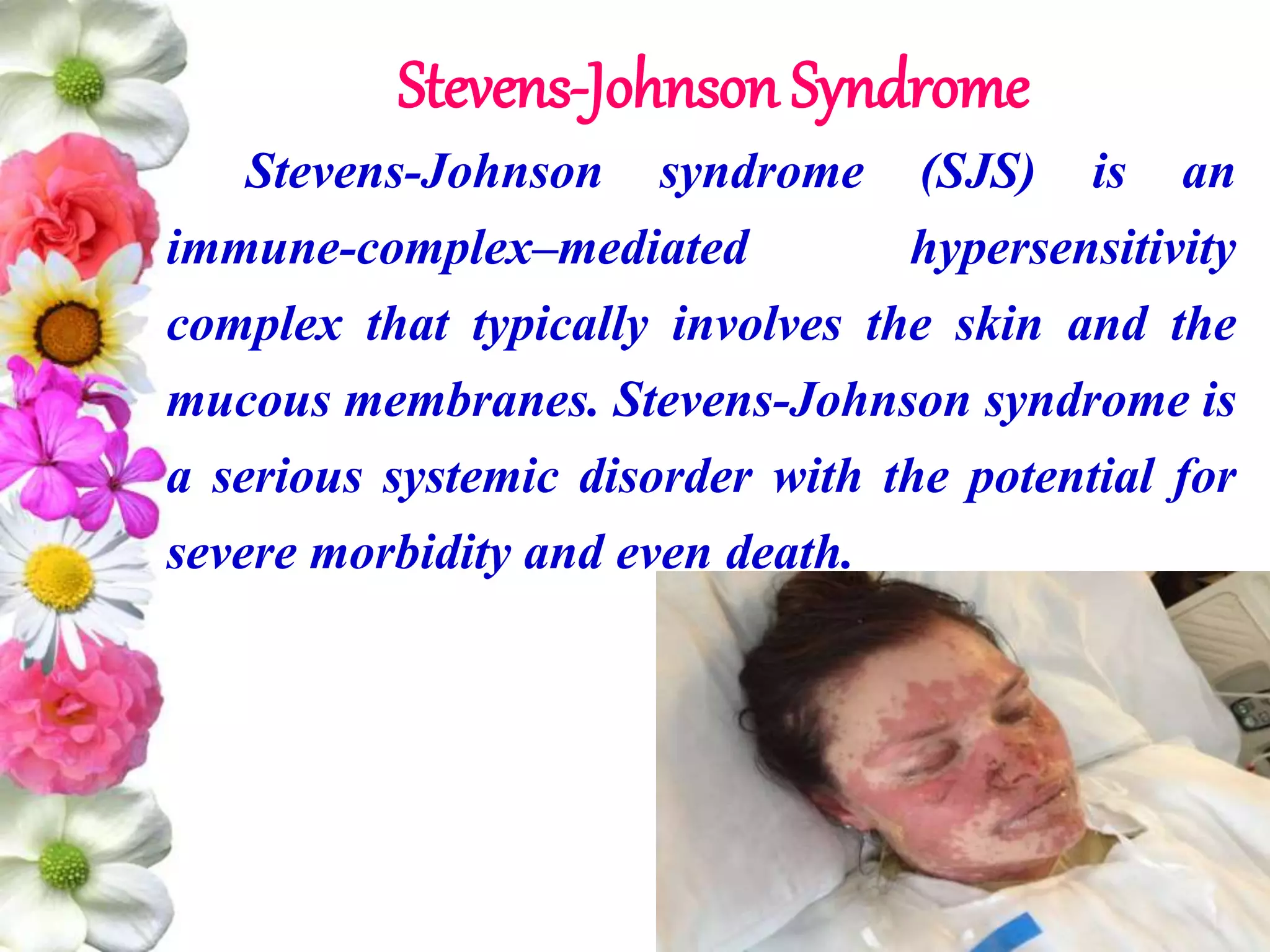
Stevens‑Johnson syndrome (SJS) is more than just a severe rash; it’s a life‑threatening reaction that affects the skin and mucous membranes. Although drugs are the most common trigger, an underlying autoimmune imbalance can tilt the immune system toward a disastrous over‑reaction.
In simple terms, autoimmunity means the body’s defense forces mistake its own tissues for invaders. When that mistake occurs alongside a drug exposure, the resulting cascade can push a patient straight into the spectrum of SJS.
The Immune System’s Role in SJS
At the heart of SJS lies a storm of T‑cells. These white blood cells, when properly regulated, patrol for infections. In an autoimmune setting, they become over‑zealous, releasing cytokines that damage skin cells.
Key players include:
- CD8⁺ cytotoxic T‑cells – directly kill keratinocytes.
- Granulysin – a molecule that pierces cell membranes and triggers widespread cell death.
- Interleukin‑15 – amplifies the T‑cell response, especially in chronic autoimmune conditions.
When these elements combine with a drug that serves as a hapten (a tiny molecule that binds to proteins and becomes antigenic), the immune system can mistakenly target the skin itself.
Common Autoimmune Conditions Linked to SJS
Not every autoimmune disease raises the risk, but several have shown a noteworthy association:
- Systemic lupus erythematosus (SLE) – patients often have heightened cytokine levels that can prime the skin for injury.
- Rheumatoid arthritis (RA) – long‑term immunosuppressants used in RA sometimes paradoxically increase susceptibility to drug reactions.
- Psoriasis – the chronic inflammation in psoriasis creates a ready‑made environment for a drug‑induced flare.
- Inflammatory bowel disease (IBD) – especially when biologic therapies are involved.
These conditions share a common thread: a dysregulated immune response that can be tipped over the edge by certain medications.
Why Some Patients Never Develop SJS
Genetics also play a part. Specific HLA alleles—like HLA‑B*15:02 in Southeast Asian populations—are known to present drug metabolites more efficiently to T‑cells, accelerating the cascade. In the absence of such alleles, even a strong autoimmune background might not be enough to trigger SJS.
Drug Triggers: The Usual Suspects
Antibiotics (especially sulfonamides), antiepileptics (like carbamazepine), and allopurinol dominate the list. However, in patients with autoimmune diseases, the threshold for reaction appears lower. Even drugs considered “low risk” can cause trouble if the immune system is already primed.
Recognizing Early Signs
Timing matters. The first clues often appear within a week of starting a new medication. Look for:
- Fever or flu‑like symptoms.
- Red or painful eyes, sometimes with a burning sensation.
- Oral sores that make eating difficult.
- Rash that begins on the trunk and spreads, forming blisters.
Because these symptoms overlap with many autoimmune flares, clinicians must keep a high index of suspicion when a new drug is introduced.
Managing the Dual Challenge
Treatment hinges on two fronts: stopping the offending drug and modulating the immune response.
1. Immediate drug withdrawal – the most critical step; delays can worsen skin necrosis.
2. Supportive care – fluid management, wound care, and infection control, often in a burn unit‑style setting.
3. Immunomodulation – corticosteroids remain controversial, but many dermatologists use them early in severe cases. Intravenous immunoglobulin (IVIG) and cyclosporine have shown promise, particularly when an underlying autoimmune disease is present.
4. Long‑term follow‑up – patients with autoimmune disorders may need adjusted maintenance therapy to prevent another flare.
Prevention Strategies for At‑Risk Patients
While you can’t eliminate every risk, you can lower the odds:
- Genetic screening for high‑risk HLA alleles before prescribing known triggers.
- Choosing alternative medications when possible—especially for chronic autoimmune patients.
- Close monitoring during the first two weeks after a new drug is started.
- Educating patients about early warning signs and encouraging prompt medical attention.
Living With the Aftermath
Survivors often face lingering issues: dry eyes, scarring, and sometimes chronic pain. Rehabilitation may involve ophthalmologists, physiotherapists, and mental‑health professionals. For those already coping with an autoimmune disease, adding SJS to the mix can feel overwhelming, but a coordinated care team makes a huge difference.
Key Takeaways
- Autoimmune disorders can lower the threshold for Stevens‑Johnson syndrome, especially when combined with high‑risk drugs.
- Genetic factors such as HLA alleles further influence susceptibility.
- Early recognition and rapid drug cessation are vital for a better outcome.
- Tailored immunomodulatory therapy, alongside supportive care, offers the best chance of recovery.
- Pre‑emptive screening and patient education are powerful tools to prevent recurrence.