How Basketball Players Can Master English Basketball Terminology
If you’re a basketball player stepping onto an international court, you’ll quickly notice that the language you hear can feel like a whole new game. From “pick‑and‑roll” to “alley‑oop” and “boxing out”, the vocabulary is rich, fast‑paced, and often shared across leagues worldwide. Basketball players looking to understand English terminology will find that a solid grasp of the lingo not only boosts communication on the floor but also enhances study of game film, scouting reports, and coaching instruction.
Why Language Matters on the Court
Communication is the backbone of any team sport. A mispronounced or misinterpreted term can mean the difference between a successful set play and a missed opportunity. When players share a common dictionary, they can trust that a “tight defense” or a “fast break” will be executed the same way regardless of national borders. Moreover, coaches and analysts frequently use technical English phrases in playbooks, so a player’s fluency directly influences their ability to adapt to new strategies.
Key Basketball Terms Every Player Should Know
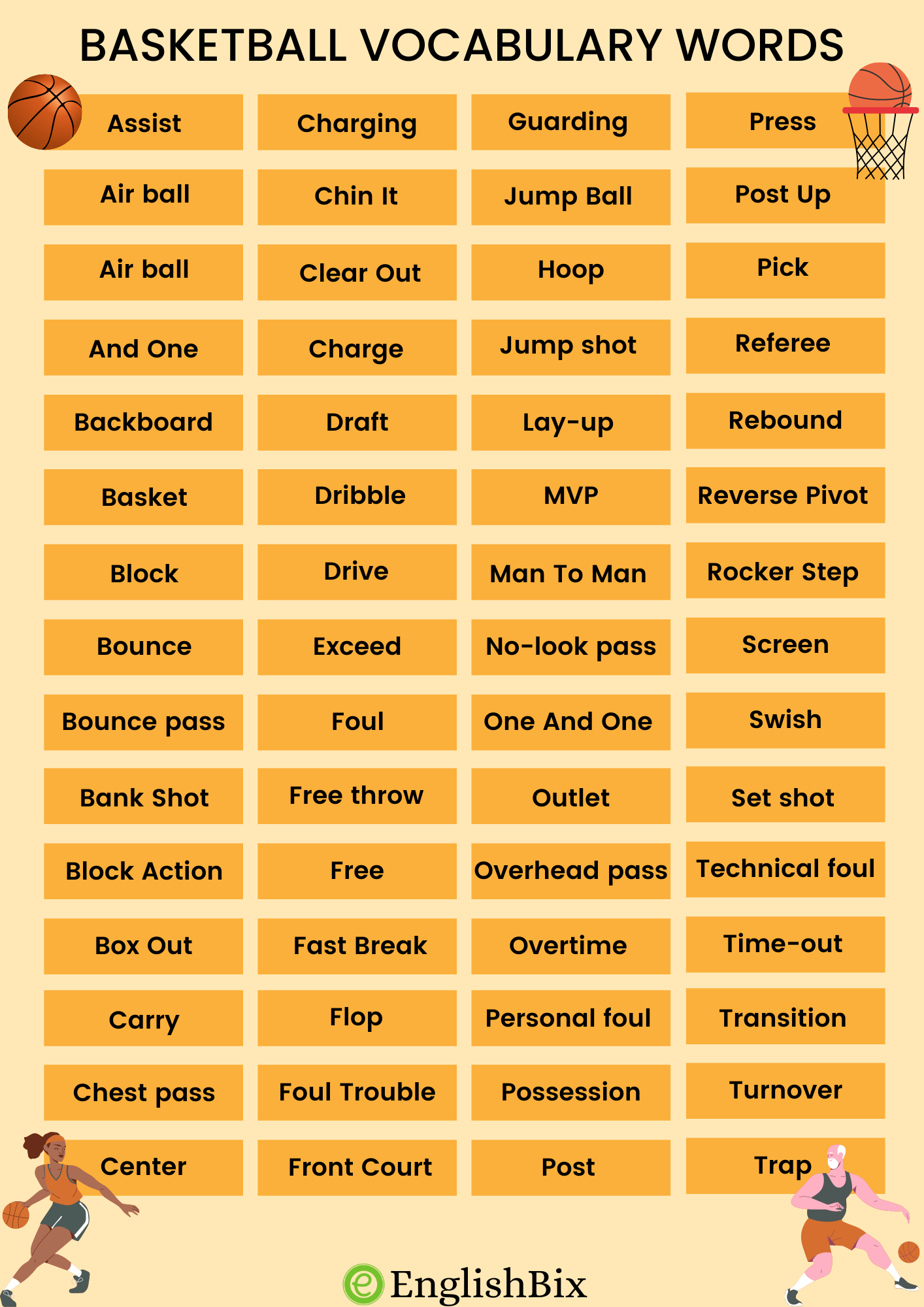
Below is a snapshot of the most frequently used English terms. Memorizing these will give you a head start when you read game notes or chat with teammates.
- Pick‑and‑Roll: A play where a ball‑handler dribbles towards a teammate who sets a screen and then rolls towards the basket.
- Alley‑oop: A high‑flying dunk where the player catches a pass in mid‑air and slams it in.
- Boxing Out: The act of positioning yourself between an opponent and the basket to secure a rebound.
- Fast Break: An offensive rush to the opponent’s basket before the defense can set up.
- Zone Defense: A defensive scheme that covers specific areas of the floor rather than individual opponents.
- Off‑Ball Movement: Players moving without the ball to create space and opportunities.
- Help Defense: A teammate moving to assist another defender who is out‑matched.
- Rebound: The act of gaining possession after a missed shot.
- Spot Up: A player shooting from a fixed spot after a quick pass.
- Isolation (ISO): A play that singles one player against a defender to create a scoring chance.
Beyond the Basics: Nuanced Terms That Set the Proficient Player Apart
Once the fundamentals are in place, deeper vocabulary can elevate your on‑court IQ. Phrases like “read the defense”, “shooting off the glass”, or “spacing” signal advanced understanding. Coaches often rely on these descriptors to tweak player positioning or to call specific adjustments during a timeout.
Practical Ways to Learn and Reinforce Terminology
1. Watch Game Footage – Pay attention to commentators and coaches. Many networks pause to explain a move, providing real‑time definition.
2. Read Playbooks and Scouting Reports – The written word uses consistent terminology; reviewing these documents builds muscle memory.
3. Engage in Play‑by‑Play Discussions – Talk with teammates about the next play, using the terms you’re learning. This active use cements retention.
4. Use Flashcards – Create a deck with a term on one side and its definition or example on the other. Quick review sessions can be surprisingly effective.
5. Simulate In‑Game Scenarios – Recreate common plays in practice and narrate the action as if you’re calling it out loud.
Common Challenges and How to Overcome Them
Language learning often runs into three stumbling blocks: confusion over similar terms, regional variations, and quick assimilation under pressure.
Confusion Over Similar Terms: For instance, “off‑ball” and “on‑ball” are easy to mix up. Context—whether a player is moving with or without the ball—clarifies the meaning. Rehearse scenarios until the distinction feels natural.
Regional Variations: While most terms stay consistent, some leagues use unique jargon. The NBA, for example, prefers “spot up” whereas European circuits might say “set up.” A quick glossary for each league you watch helps keep track.
Quick Assimilation Under Pressure: During live play, you’re forced to translate thoughts instantly. The trick is to internalize the terms until they’re second nature. Repetitive practice, as outlined earlier, will allow you to switch from conscious effort to automatic recall.
Building a Personal Glossary
Everyone’s learning style differs, so crafting a personalized glossary can be a lifesaver. Use a notebook, a note‑taking app, or a spreadsheet to record terms, definitions, example plays, and even a short video clip that illustrates the move. Reviewing this glossary regularly turns passive learning into an active skill set.
Integrating Terminology Into Your Training Regimen
When you schedule drills, assign a specific term to each. For instance, dedicate one session to mastering the pick‑and‑roll, another to practicing boxing out, and a third to executing fast breaks. By labeling each drill, you link the action to the term automatically.
In addition, set up a “term of the day” challenge: pick one new word or phrase each morning and use it in all coaching conversations that day. This keeps your vocabulary fresh and encourages teammates to adopt the same habit.
How to Gauge Your Progress
1. Self‑Quizzing – After a game or practice, jot down the terms you heard and check if you can recall their meanings.
2. Peer Feedback – Ask a teammate to test your understanding during a drill.
3. Application in Game Situations – Notice if you’re able to call out plays more clearly and if teammates respond faster.
FAQs About Basketball English Terminology
- What is the difference between “pick‑and‑roll” and “pick‑and‑pop”? The former ends in a drive to the basket, while the latter involves the screener stepping out to shoot a mid‑range jumper.
- Do I need to learn every advanced term to be a good player? No. Mastering the core vocabulary first is enough to communicate effectively; advanced terms can be added gradually.
- Can I use a translator app during games? It’s better to rely on your own knowledge; however, a quick look at a glossary before a game can refresh key terms.
- How quickly can I expect to feel comfortable? With consistent practice—especially during drills and film sessions—most players start feeling confident within a few weeks.