How Brand Finance Is Elevating Commercial Services – A Closer Look
When you hear the name Brand Finance, thoughts often drift to trademark valuations or intellectual‑property rankings. Yet the firm’s reach goes far beyond lofty numbers on a leaderboard. In recent years it has quietly reshaped the way commercial services—consultancy, logistics, B2B tech—approach growth, risk and reputation. This article pulls back the curtain to see exactly what’s happening, why it matters, and how companies can tap into the momentum.
The Shift From Valuation to Value Creation
Traditionally, Brand Finance positioned itself as a watchdog of brand equity, publishing annual reports that turned brand names into dollar figures. While that remains a core competency, the firm has begun leveraging its data‑analytics engine to drive actionable insights for commercial service providers.
- Data‑driven benchmarking: Companies now receive real‑time comparisons against peers, not just year‑end snapshots.
- Strategic storytelling: Brand Finance helps translate raw numbers into narratives that resonate with investors and customers alike.
- Risk mapping: By identifying reputational vulnerabilities early, firms can pre‑empt crises before they hurt the bottom line.
In short, the focus has moved from “what is our brand worth?” to “how can we make our brand work harder for us.”
Key Services That Are Getting a Boost
1. Commercial Advisory for B2B Tech
Tech firms selling software platforms to other businesses often struggle to articulate intangible benefits. Brand Finance steps in with proprietary metrics that link brand perception to sales velocity. The result? Shorter sales cycles and higher win rates, especially in saturated markets where differentiation is razor‑thin.
2. Logistics and Supply‑Chain Branding
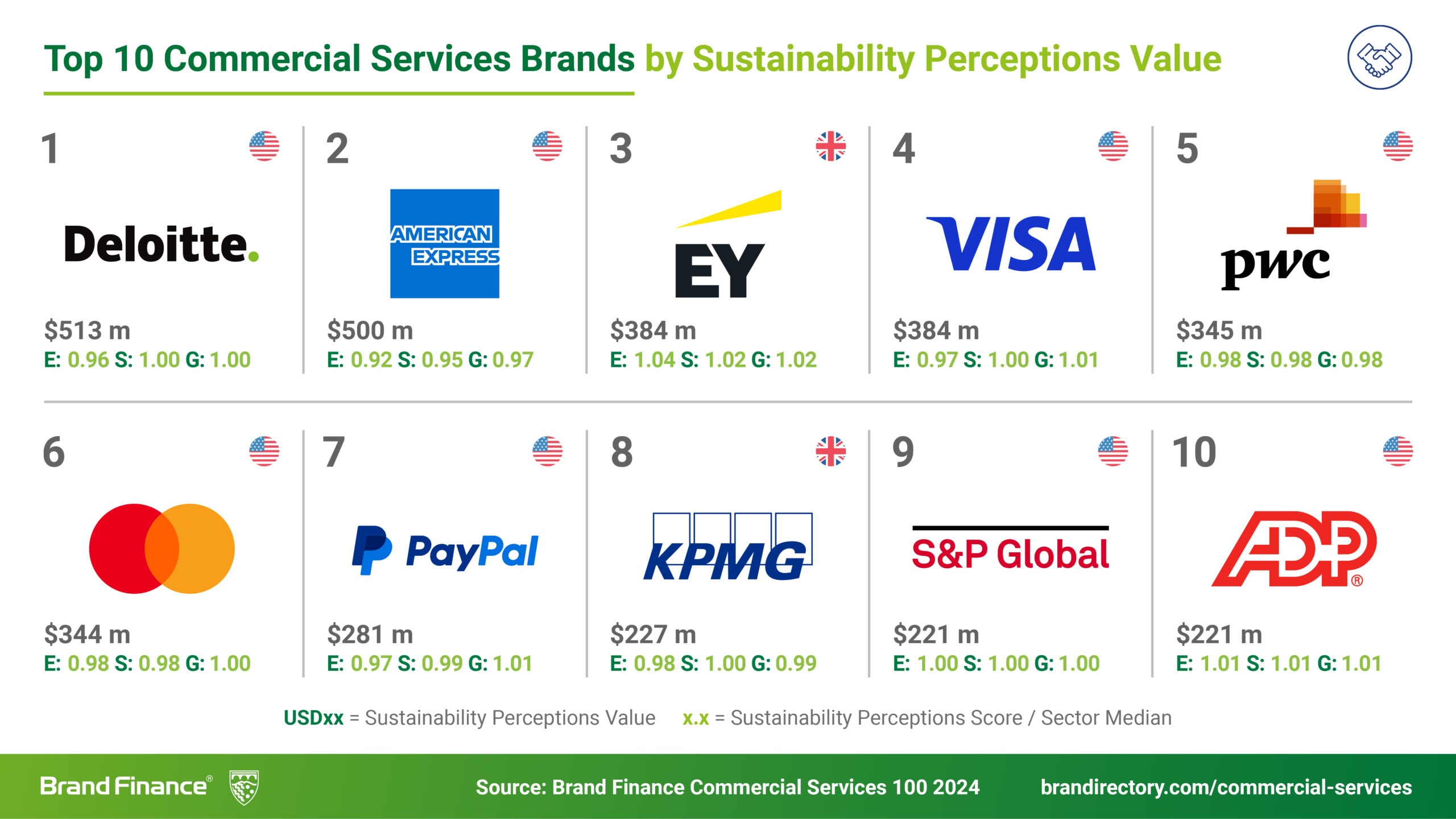
Logistics companies are traditionally judged on speed and cost, but customers now care about sustainability and reliability reputation. Brand Finance’s sustainability scoring system overlays environmental data with brand sentiment, giving logistics firms a tangible lever to market “green” credentials.
3. Professional Services Firms
Law, accounting and consulting firms are increasingly competing on expertise branding rather than price. By mapping thought‑leadership content to brand equity scores, Brand Finance helps these firms pinpoint which whitepapers, webinars or case studies actually lift perception—and ultimately, billable hours.
Why the Commercial Sector Is Paying Attention
Several forces converge to make Brand Finance’s expanded toolkit irresistible:
- Investor pressure. ESG and brand‑risk metrics now sit alongside EBITDA in many board decks.
- Customer expectations. Today's buyers demand transparency; they scrutinize a provider’s reputation before signing a contract.
- Competitive intensity. In sectors where price wars are common, a differentiated brand becomes a strategic moat.
Combine those drivers with the firm’s global data pool—over 1,500 brands across 30 industries—and you get a compelling value proposition for any commercial service provider.
Real‑World Impact: Two Quick Cases
Case A: A mid‑size SaaS vendor. After engaging Brand Finance for a brand‑equity audit, the vendor discovered its “customer‑centric” messaging was weak in North America. By realigning product demos with the insights, ARR grew 12 % in six months, while churn dropped by 4 %.
Case B: A regional freight forwarder. The company used the sustainability scoring tool to highlight carbon‑offset initiatives. Within a year, they secured three new contracts with retailers requiring verified green logistics, adding roughly $3 million in revenue.
How Companies Can Get Started
If the idea of marrying brand metrics with commercial strategy sounds appealing, here’s a practical roadmap:
- Assess current data assets. Gather existing brand surveys, NPS scores and financial KPIs.
- Define the business question. Are you looking to win new contracts, reduce churn, or improve ESG standing?
- Partner with Brand Finance. Their team will tailor a diagnostic—often a blend of quantitative modeling and qualitative workshops.
- Implement quick wins. Focus on high‑impact levers, such as adjusting messaging on websites or strengthening customer‑service scripts.
- Measure, iterate, scale. Use the dashboards provided to track progress and refine tactics every quarter.
Most firms see measurable benefits within the first 90 days, especially when they treat brand insights as a cross‑functional priority rather than a marketing afterthought.
Potential Pitfalls to Watch
Nothing comes without a few caveats. Over‑reliance on numbers can stifle creativity; brand equity is partly emotional, after all. Also, integrating new analytics platforms may clash with legacy IT systems, requiring a modest investment in data hygiene. Finally, the “brand‑risk” lens should complement—not replace—traditional risk management frameworks.
Looking Ahead: What’s Next for Brand Finance?
The firm is already testing AI‑enhanced sentiment analysis that can parse social‑media chatter in real time, flagging emerging issues before they hit the press. There’s also buzz about a subscription‑based portal that lets commercial service firms pull bespoke brand‑impact reports on demand, reducing the need for lengthy consultancy contracts.
Whether these pilots become mainstream remains to be seen, but the trajectory is clear: Brand Finance is positioning itself as an indispensable partner for any commercial operation that wants its brand to be a growth engine, not just a decorative logo.
In a world where reputation travels faster than a freight truck and where a single online review can sway a multi‑million‑dollar deal, paying close attention to how brand value translates into commercial performance is no longer optional. With the tools and expertise Brand Finance now offers, the gap between brand perception and real‑world results is finally narrowing—giving businesses a tangible way to turn good reputation into great revenue.