How Brazil’s Fiscal Gap Is Shaping the Economy—and What Can Be Done
Brazil’s public finances have been in the spotlight for years, yet the conversation often stays at the surface—“deficit this, deficit that.” To really grasp what’s happening, we need to peel back the layers: why the gap is widening, who feels the pinch, and which policy levers might finally bring balance.
Why the Deficit Is Growing
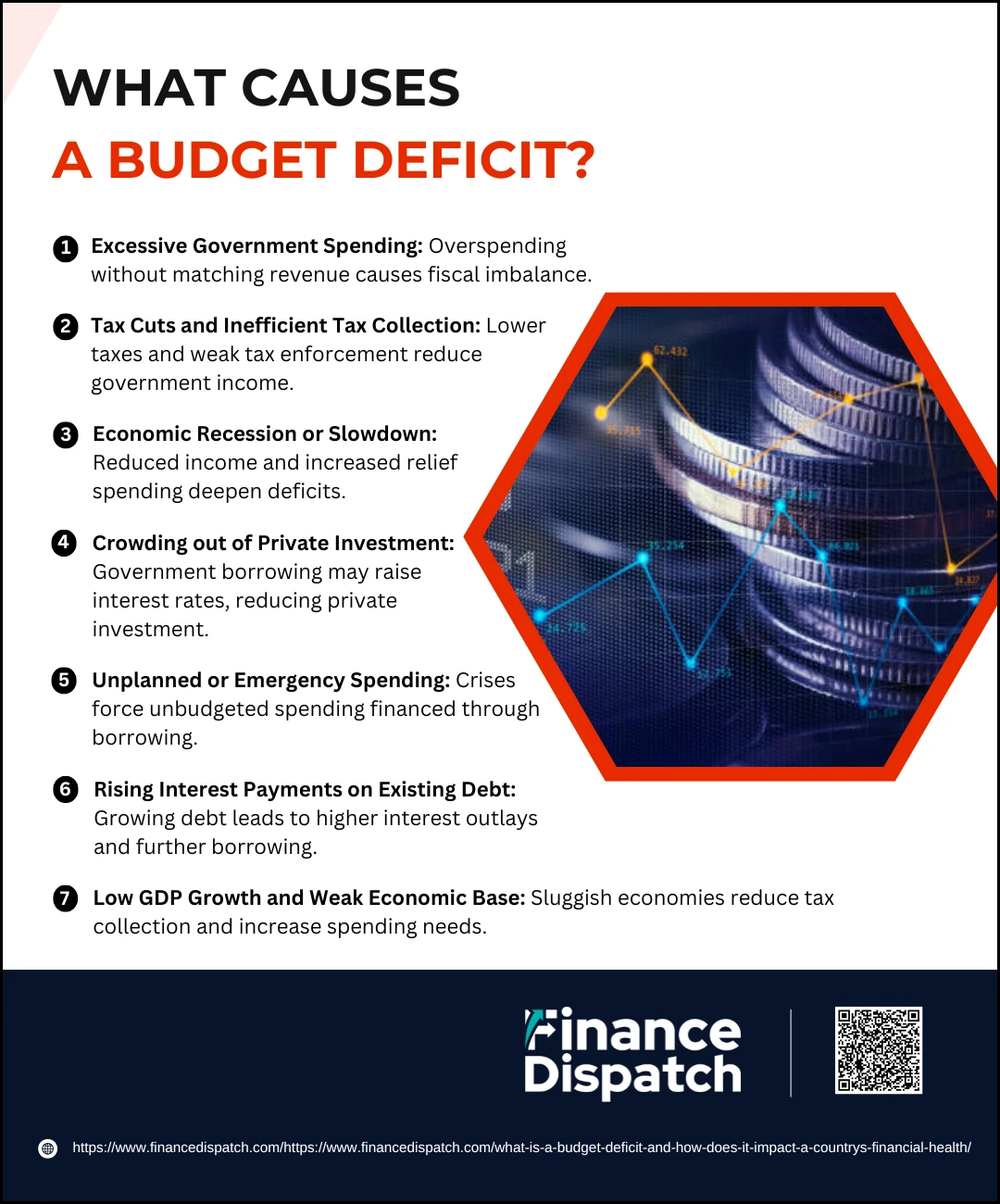
Several forces converge to push Brazil’s budget into the red. They’re not all new, but their interaction has become more pronounced.
Structural Spending Pressures
Social programs that once seemed sustainable now consume a larger slice of the budget. Pensions, health care, and education are expanding faster than revenue, largely because:
- Population ageing is raising the number of pension beneficiaries.
- Universal health coverage demands more funding for hospitals and primary care.
- Regional disparities compel the federal government to subsidise poorer states.
Revenue Shortfalls
On the flip side, tax collection isn’t keeping pace. Two main issues matter most:
- Tax evasion and complex legislation—Businesses spend more time navigating loopholes than paying taxes.
- Commodity price volatility—Brazil relies heavily on exports like soy, iron ore, and oil, so a dip in global prices immediately shrinks fiscal inflows.
Unexpected Shocks
Natural disasters, pandemic-related health spending, and political uncertainty have added surprise expenses that were never factored into the original budget.
Who Feels the Impact?
Deficits affect more than balance‑sheet numbers; they ripple through everyday life.
Households
When the government borrows to fill the gap, interest rates often rise, making credit more expensive. Inflation can creep up as the central bank tries to balance growth with fiscal stability, eroding purchasing power.
Businesses
Higher taxes to close the gap may discourage investment, especially for small and medium‑sized enterprises that lack the resources to absorb additional fiscal burdens.
International Relations
Credit rating agencies watch Brazil’s deficit closely. A downgrade can raise the cost of external borrowing, limiting the country’s ability to fund infrastructure projects that would otherwise spur growth.
Policy Options on the Table
There’s no silver bullet, but a mix of measures could steer Brazil back toward fiscal health.
Revenue Enhancements
- Simplify the tax code—A streamlined system would reduce evasion and lower compliance costs.
- Introduce targeted taxes on high‑value commodities—For example, a modest levy on mining profits could capture windfalls during price booms.
- Expand digital services taxation—As the tech sector grows, so does the opportunity to tax online transactions.
Spending Reforms
- Pension recalibration—Gradually raising retirement age and adjusting benefit formulas can ease long‑term liabilities.
- Efficiency audits—Systematic reviews of public programs often reveal redundant spending that can be trimmed without harming service quality.
- Public‑private partnerships—Leveraging private capital for infrastructure reduces the immediate fiscal burden.
Debt Management Strategies
Rather than avoiding borrowing altogether, Brazil could focus on the composition of its debt.
- Swap short‑term, high‑interest loans for longer‑term bonds with lower rates.
- Explore green bonds to fund renewable‑energy projects—these often attract favorable terms.
What the Future Might Hold
If reforms gain traction, the deficit could shrink gradually, restoring confidence among investors and easing pressure on households. Conversely, delaying action risks a widening gap, higher borrowing costs, and a potential fiscal crisis.
In short, Brazil stands at a crossroads. The choices made today—whether to tighten the purse strings, broaden the tax base, or a bit of both—will shape the nation’s economic narrative for the next decade. The challenge is not just financial; it’s political, social, and deeply human.