How Brazil’s Population Has Evolved: A Complete Guide
Brazil feels like a continent on its own—vast, diverse, and constantly shifting. Its people tell the story, from bustling megacities to remote Amazon villages. If you’ve ever wondered how the nation’s demographic tapestry came together, you’re in the right place.
From Colony to Superpower: A Snapshot of Growth
When Portuguese explorers first set foot on the coast in 1500, fewer than a million souls lived across the territory. Fast‑forward to 2023, and the census reports roughly 215 million inhabitants. That surge didn’t happen overnight.
Key Milestones
- 1800s: Slavery and immigration shape early urban centers.
- 1950‑1970: The “golden age” of population growth—birth rates peaked above 4 children per woman.
- 1980s: Demographic transition kicks in, fertility drops sharply.
- 2000s: Urban migration surges; São Paulo and Rio become megacities.
Each phase left a distinct imprint on the age structure, ethnic makeup, and regional distribution we see today.
Who Makes Up Brazil Today?
Brazil’s identity is a melting pot of indigenous peoples, Portuguese colonizers, African slaves, and waves of European, Asian, and Middle‑Eastern immigrants. The latest demographic surveys break the population into broad categories:
- Pardo (mixed race) – roughly 45 % of the populace.
- White – about 44 %.
- Black – close to 9 %.
- Indigenous and Asian – together under 2 %.
These percentages shift slightly from state to state, reflecting historical settlement patterns. In the Amazon basin, for instance, indigenous groups still form a significant share, while in the South, European ancestry dominates.
Age Structure: The Youthful Past Meets an Aging Future
Brazil used to be famously youthful. A 1990s census showed over 40 % of the nation under 15. Today, the median age sits around 33 years—still younger than many developed nations, yet older than it was just a generation ago.
Why the change?
- Declining fertility: From 6.2 children per woman in the 1960s to just 1.7 now.
- Improved healthcare: Longer life expectancy—about 76 years for men, 81 for women.
- Urbanization: Smaller families are the norm in cities where living space is at a premium.
The result is a “demographic window” of working‑age adults expanding, but also a looming challenge: a growing proportion of seniors will need health and pension support in the coming decades.
Where People Live: Urban vs. Rural Dynamics
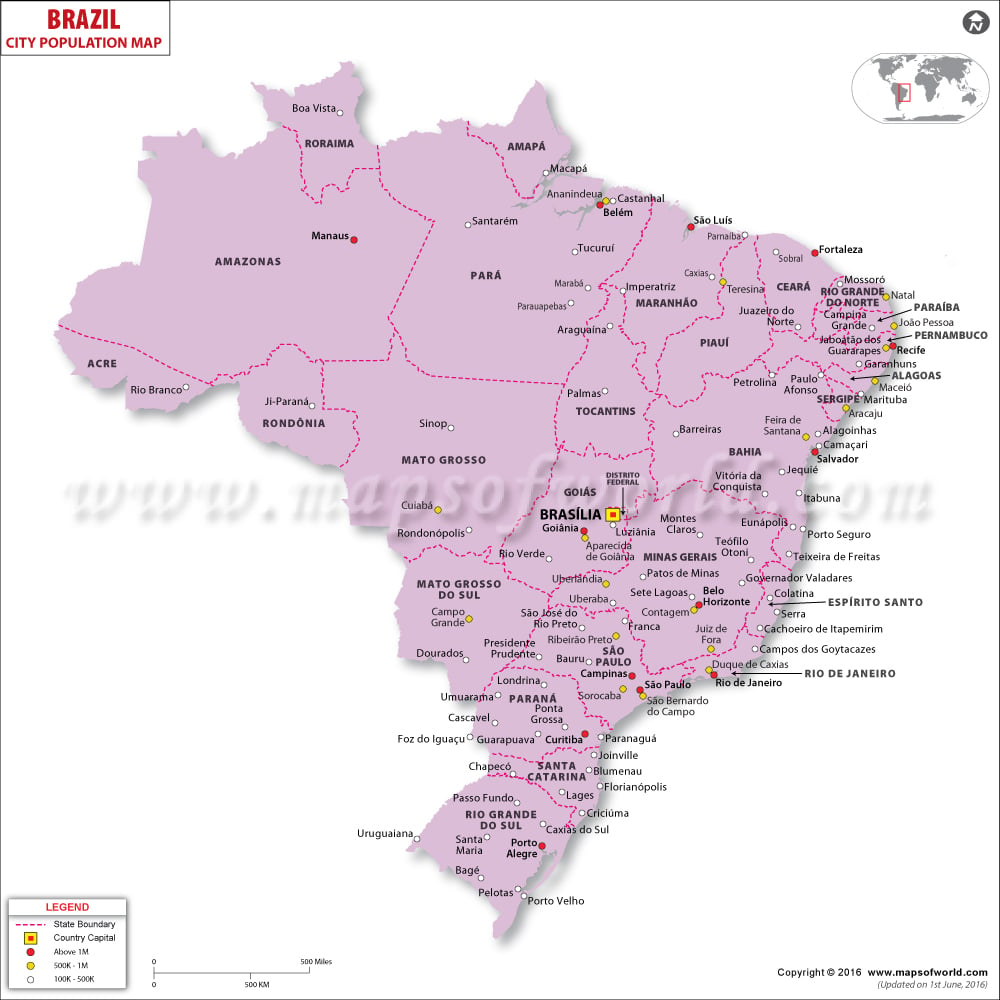
Roughly 86 % of Brazilians now reside in urban areas. The migration tide that began in the 1950s has never really slowed. São Paulo, with its 12 million residents, is the country’s economic engine, while Rio de Janeiro remains the cultural heartbeat.
Yet rural pockets persist, especially in the North and parts of the Northeast. These regions often grapple with limited infrastructure, which translates into lower education and health outcomes compared to the south‑southeast corridor.
Migration Patterns: Both Inward and Outward
Brazil isn’t a closed book. It both welcomes newcomers and sees some of its own citizens head abroad.
Immigration
- Historical waves: Italians, Germans, Japanese, and Lebanese arrived between the late 1800s and mid‑1900s.
- Recent trends: Venezuelan refugees have added hundreds of thousands to border states like Roraima and Amazonas.
Emigration
- Economic opportunities drive many to the United States, Portugal, and Japan.
- Younger professionals often seek higher wages abroad, a factor that could affect Brazil’s future talent pool.
Socio‑Economic Disparities Tied to Demography
Numbers tell a story, but the human experience fills in the colors. The South‑Southeast region enjoys higher average incomes, better education, and more robust health services—benefits that correlate with its dense, urban population.
Conversely, the North and Northeast, where populations are younger but poorer, face higher unemployment rates and limited access to quality schooling. These gaps reinforce cycles of inequality, shaping everything from birth rates to life expectancy.
Future Projections: What the Next Three Decades May Hold
According to the United Nations, Brazil’s population is expected to peak around 220 million by 2050, then inch slowly downward. Such a plateau brings several implications:
- Labor market: A smaller growth rate means fewer new workers, potentially pressuring productivity.
- Social security: An aging demographic could strain pension systems unless reforms occur.
- Urban planning: Mega‑cities will need smarter transportation and housing solutions to accommodate a denser, older citizenry.
Climate change adds another layer of uncertainty. Rising sea levels threaten coastal megacities, while the Amazon’s evolving ecosystem could affect indigenous communities and migration patterns.
Policy Responses: From Family Planning to Urban Innovation
Brazil has already taken steps to balance demographic pressures. The 1990s saw widespread Programa Bolsa Família, which reduced extreme poverty and indirectly influenced family size. More recently, cities like Curitiba pioneered sustainable transit, showing how urban planning can adapt to demographic realities.
Looking ahead, experts suggest three priority areas:
- Invest in elder care: Expand public health services tailored to seniors.
- Boost education in the North and Northeast: Narrow the skill gap that fuels internal migration.
- Encourage balanced regional development: Incentivize industries to set up outside the traditional economic hubs.
Wrapping Up the Demographic Puzzle
Brazil’s population story is anything but static. From a modest colony to a global powerhouse of nearly a quarter‑billion people, each demographic shift carries social, economic, and political weight. Understanding the trends—whether it’s the youthful surge of the 1990s or the subtle aging wave today—helps policymakers, investors, and everyday citizens alike navigate the country’s ever‑changing landscape.