How Cervical Ectropion Affects Women and When to Seek Care
When a routine Pap smear reveals a faint, reddish area on the cervix, many women wonder what it means. That pinkish zone is often cervical ectropion—a harmless condition for most, but one that can raise questions about symptoms, causes, and when a doctor’s opinion is warranted.
What Exactly Is Cervical Ectropion?
Cervical ectropion (also called ectopy or columnar ectropion) occurs when the glandular cells that normally line the inner part of the cervical canal extend onto the outer surface of the cervix. Because these cells are more delicate than the surrounding squamous epithelium, they appear pinkish and can bleed more easily.
Why Does It Happen?
The transformation isn’t random; several factors tip the balance:
- Hormonal influences—estrogen spikes during puberty, pregnancy, or hormone therapy encourage the cells to migrate outward.
- Age—younger women are more likely to show ectropion because their cervical tissue is still adapting to hormonal changes.
- Sexually transmitted infections—chronic irritation from infections such as HPV can promote cell overgrowth.
- Contraceptive use—especially combined oral pills, which raise estrogen levels.
Common Symptoms (And When They’re Just a Nuisance)
Most cases are discovered incidentally, yet some women notice:
- Spotting after intercourse or between periods.
- Increased vaginal discharge that may be clear or slightly mucoid.
- Occasional mild pelvic discomfort.
These signs are typically benign. However, persistent heavy bleeding, foul‑smelling discharge, or pain should prompt a closer look.
How Doctors Diagnose It
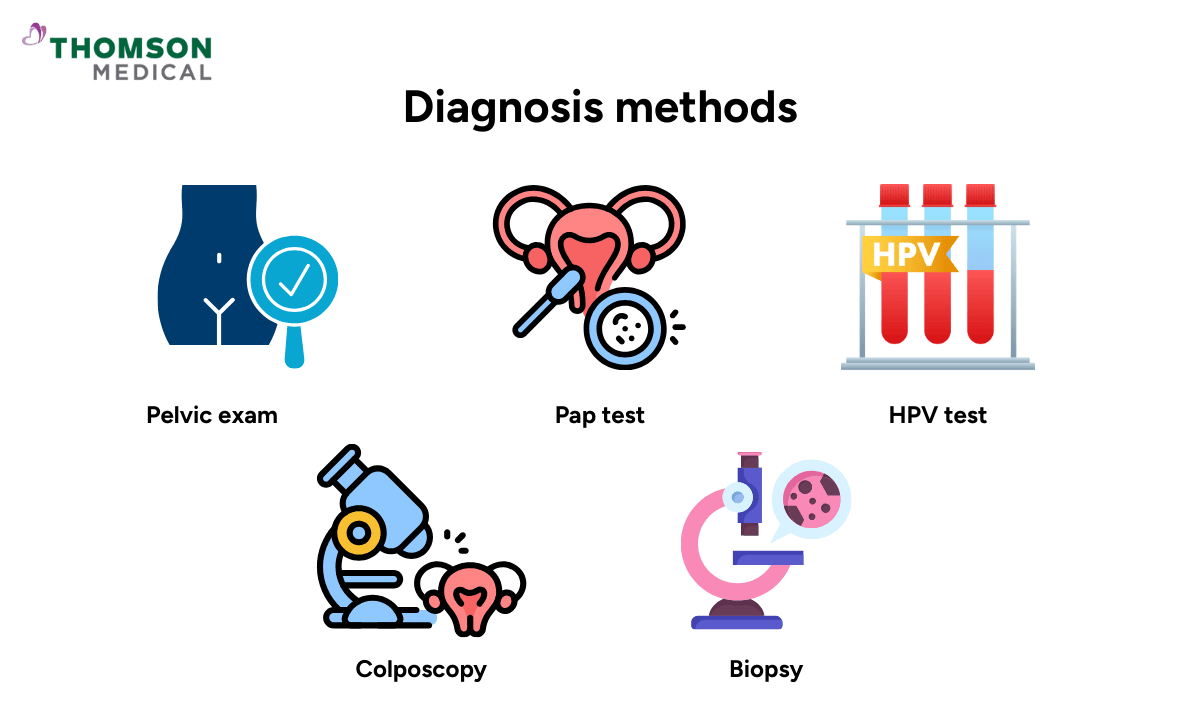
A visual inspection during a pelvic exam is often enough. The clinician may use a colposcope to magnify the area, confirming that the reddish zone corresponds to columnar epithelium. In ambiguous cases, a biopsy can rule out dysplasia or other pathology.
When Treatment Is Actually Needed
Because ectropion itself isn’t dangerous, many doctors adopt a “watchful waiting” approach. Treatment steps are considered when:
- Bleeding is frequent enough to affect daily life.
- Symptoms persist despite hormonal stabilization.
- There’s a concurrent infection that could be aggravated by the exposed tissue.
Options include:
- Topical estrogen creams—counterintuitively, low‑dose estrogen can coax the surface cells back to a more resilient squamous type.
- Cryotherapy—freezing the affected area encourages healthy regrowth.
- Electrocautery—a small electric current seals the tissue, reducing bleeding.
Living With Cervical Ectropion: Practical Tips
Even if you’re not seeking treatment, a few lifestyle tweaks can keep discomfort at bay:
- Use unscented, gentle hygiene products to avoid irritation.
- Consider cotton‑based underwear for better airflow.
- Stay on top of regular screenings; a yearly Pap test helps track any changes over time.
Frequently Asked Questions
Is cervical ectropion a sign of infertility?
No. The condition affects the cervix’s surface, not the uterus or fallopian tubes, so fertility isn’t directly impacted.
Can it turn into cervical cancer?
Ectropion itself isn’t precancerous. However, because the columnar cells are more susceptible to infection, regular monitoring ensures any abnormal changes are caught early.
Will birth control pills make it worse?
Combined oral contraceptives can actually increase ectropion due to higher estrogen levels. If bleeding becomes troublesome, discuss alternative methods with your provider.
Should I avoid sexual activity?
Sex isn’t prohibited, but using a water‑based lubricant can reduce friction that might trigger spotting.