How Cryogenic Distillation Machines Work: A Complete Guide
Cryogenic distillation machines are specialized pieces of equipment that separate gases by cooling them to extremely low temperatures. By exploiting the distinct boiling points of each component, these systems can produce high‑purity products such as liquid oxygen, nitrogen, and argon. If you’ve ever wondered why airlines can fill a tank with liquid oxygen or how industrial plants harvest noble gases, the answer lies in the clever physics inside a cryogenic distillation column.
What Exactly Is Cryogenic Distillation?
At its core, cryogenic distillation is a fractional distillation process that operates below –150 °C (–238 °F). At those temperatures, many gases that are normally invisible become liquids, and their boiling points spread apart enough to be isolated in a single column. The technique is especially valuable for gases that are difficult to separate at ambient conditions, such as the oxygen‑nitrogen pair, where the boiling point difference is only a few degrees.
Key Components of a Cryogenic Distillation Machine
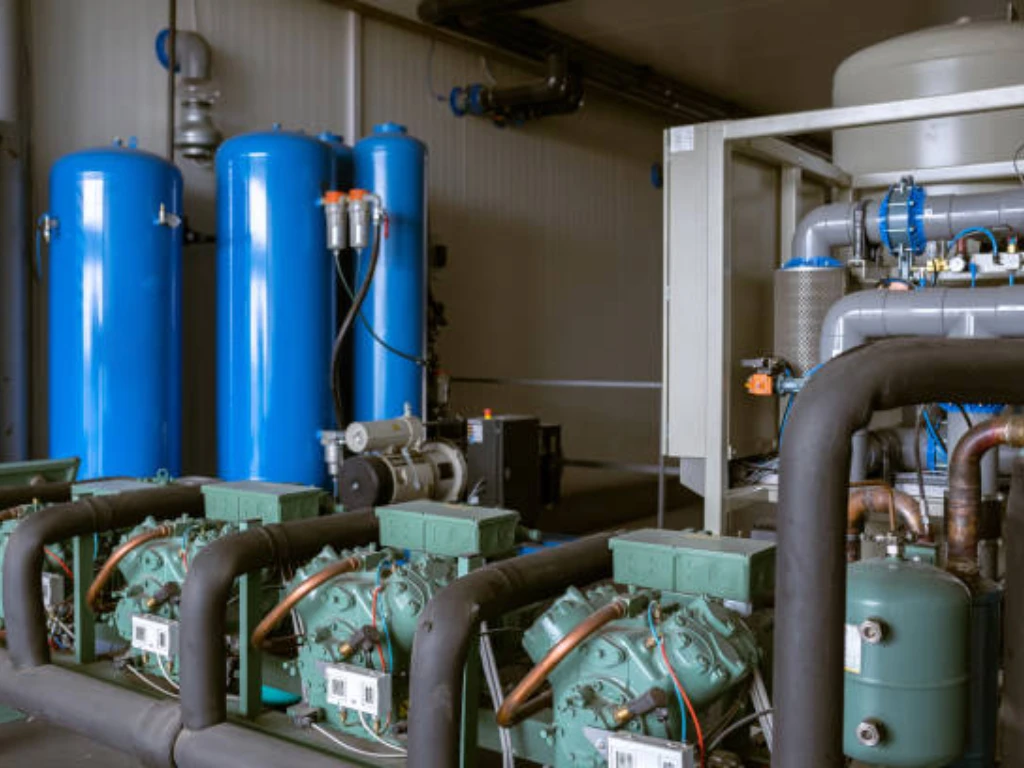
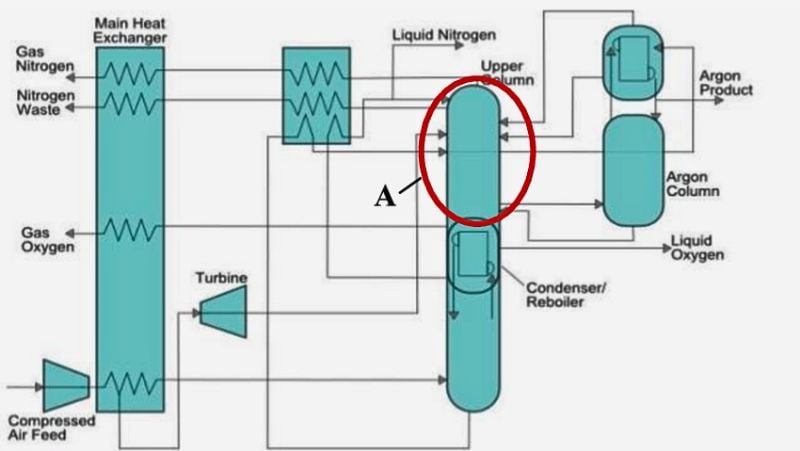
- Refrigeration Unit: Often a cascade of compressors and expansion turbines that bring the feed gas down to cryogenic temperatures.
- Distillation Column: A tall vessel packed with trays or structured packing to promote contact between rising vapour and descending liquid.
- Reboiler and Condenser: Provide the necessary heat input at the bottom and remove heat at the top, creating the temperature gradient that drives separation.
- Control System: Sensors, valves, and PLCs that keep temperature, pressure, and flow within tight tolerances.
- Safety Features: Relief valves, oxygen deficiency monitors, and emergency shutdown circuits because low‑temperature, high‑pressure gases are unforgiving.
Step‑by‑Step: How the Process Unfolds
1. Feed Preparation: Raw gas is filtered to remove particulates and moisture, then pre‑cooled by heat exchangers.
2. Compression and Expansion: The gas is compressed, which raises its temperature, then expanded through a turbine. The rapid expansion cools the stream dramatically, often below its dew point.
3. Entering the Column: The cold liquid descends through the column’s packing, while vapour rises. Each tray creates a miniature equilibrium stage, allowing the more volatile component to concentrate toward the top.
4. Product Withdrawal: Pure or enriched streams are tapped from appropriate points—usually the top for lighter gases (nitrogen) and the bottom for heavier ones (oxygen).
5. Recirculation: A portion of the product may be recycled back into the column to sharpen separation efficiency, a technique known as “reflux.”
Where Are These Machines Used?
Industries that rely on ultra‑pure gases reach for cryogenic distillation every day. Some common arenas include:
- Air Separation Units (ASUs): Producing bulk liquid oxygen, nitrogen, and argon for medical, aerospace, and metal‑working applications.
- Petrochemical Plants: Recovering ethane, propane, or butane from natural gas streams.
- Liquefied Natural Gas (LNG) Facilities: Separating methane from heavier hydrocarbons before export.
- Research Laboratories: Providing high‑purity noble gases for detectors or semiconductor manufacturing.
Benefits and Limitations
One of the biggest advantages of cryogenic distillation is the ability to achieve purity levels of 99.999 % or higher—something most other separation methods can’t match. The process also runs continuously, making it ideal for large‑scale production. On the downside, the initial capital outlay is substantial, and the energy consumption for refrigeration can be significant. Moreover, the equipment must be designed to handle thermal stresses, which adds engineering complexity.
Choosing the Right Machine for Your Needs
When evaluating a cryogenic distillation system, keep these factors in mind:
- Feed Composition: A mixture rich in one component may need fewer trays, while a near‑equal blend demands a taller column.
- Desired Purity: Higher purity usually requires more reflux and finer control, impacting both design and operating cost.
- Throughput: Estimate daily or hourly production; oversized units waste energy, undersized units bottleneck the process.
- Energy Efficiency: Look for integrated heat‑recovery schemes or hybrid refrigeration cycles that lower electricity use.
- Regulatory Compliance: Certain gases, especially oxygen, have strict safety standards that dictate material selection and venting systems.
Maintenance Tips to Keep the System Running Smoothly
Regular attention can extend the life of a cryogenic distillation machine dramatically. Inspect insulation blankets for moisture ingress, as water can freeze and damage the outer shell. Verify that expansion valves are calibrated; an out‑of‑spec valve can cause temperature excursions and product loss. Schedule periodic cleaning of the column’s packing to prevent fouling, which reduces mass transfer efficiency. Finally, maintain a log of pressure and temperature trends—small drifts often signal a developing issue before it becomes a costly shutdown.
Frequently Asked Questions
What temperature range qualifies as “cryogenic” for distillation?
Generally, anything below –150 °C (–238 °F) is considered cryogenic in industrial practice, though the exact cut‑off can vary with the specific gas pair being separated.
Can a cryogenic distillation column be used for liquids like ethanol?
In theory, the same principles apply, but ethanol’s boiling point (78 °C) is far above cryogenic temperatures, so conventional distillation columns are more economical for such liquids.
How does the energy consumption of a cryogenic system compare to other separation methods?
Cryogenic distillation typically uses more electricity for refrigeration than, say, pressure swing adsorption, but it often delivers higher purity and lower operating costs at large scale, making it competitive for bulk production.
Is it possible to retrofit an existing air separation plant with a newer cryogenic column?
Yes, many facilities upgrade their columns while retaining the original compressors and heat exchangers. However, integration requires careful thermal‑hydraulic analysis to avoid mismatches in pressure drop and temperature profiles.