How Debt Financing Works and What It Means for Your Business
When a company needs cash but isn’t ready—or able—to sell equity, it often turns to debt financing. Think of it as borrowing money with a promise to pay it back, plus interest. The concept is simple, yet the mechanics can feel a bit tangled, especially for first‑time entrepreneurs.
What Exactly Is Debt Financing?
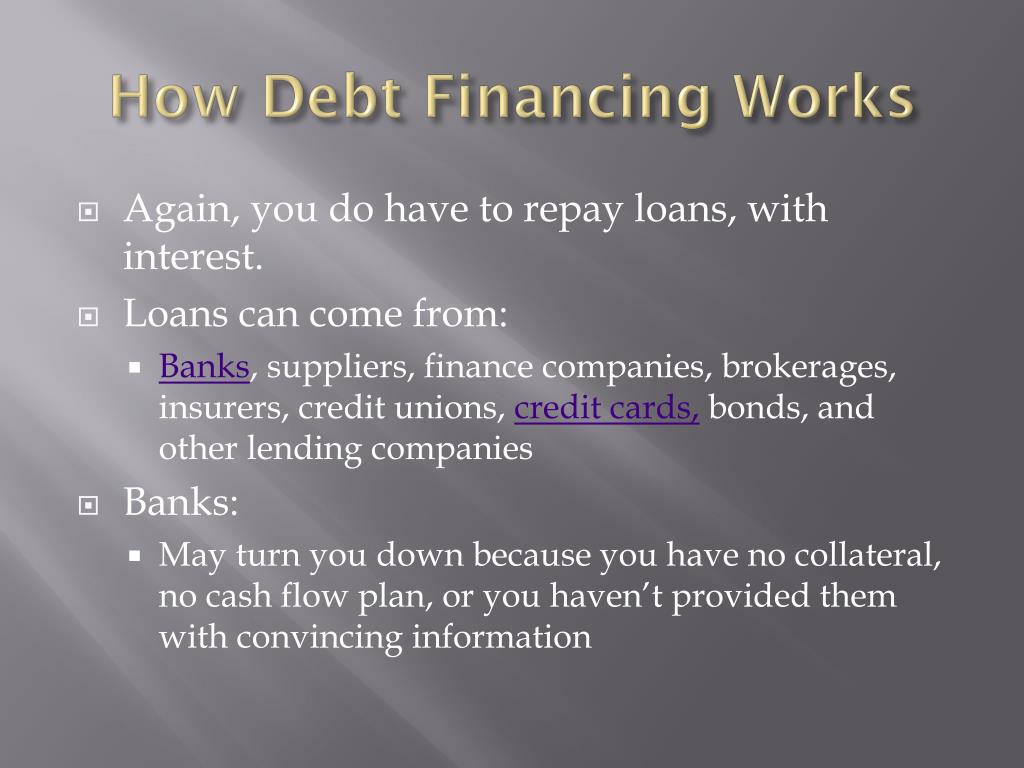
At its core, debt financing involves obtaining funds from an external source—typically a bank, a private lender, or even a bond‑market investor—and committing to repay that principal along with a predetermined interest rate. Unlike equity, the lender doesn’t receive ownership stakes; they simply expect a return according to the loan agreement.
Key characteristics include:
- Fixed repayment schedule: monthly, quarterly, or annual installments.
- Interest obligations: the cost of borrowing, which can be fixed or variable.
- Collateral requirements: assets pledged to secure the loan, though unsecured options exist.
Because the borrower retains full control of the business, debt financing is often favored when owners want to avoid diluting their share of future profits.
Why Companies Choose Debt Over Equity
There’s no single answer, but several practical motives emerge:
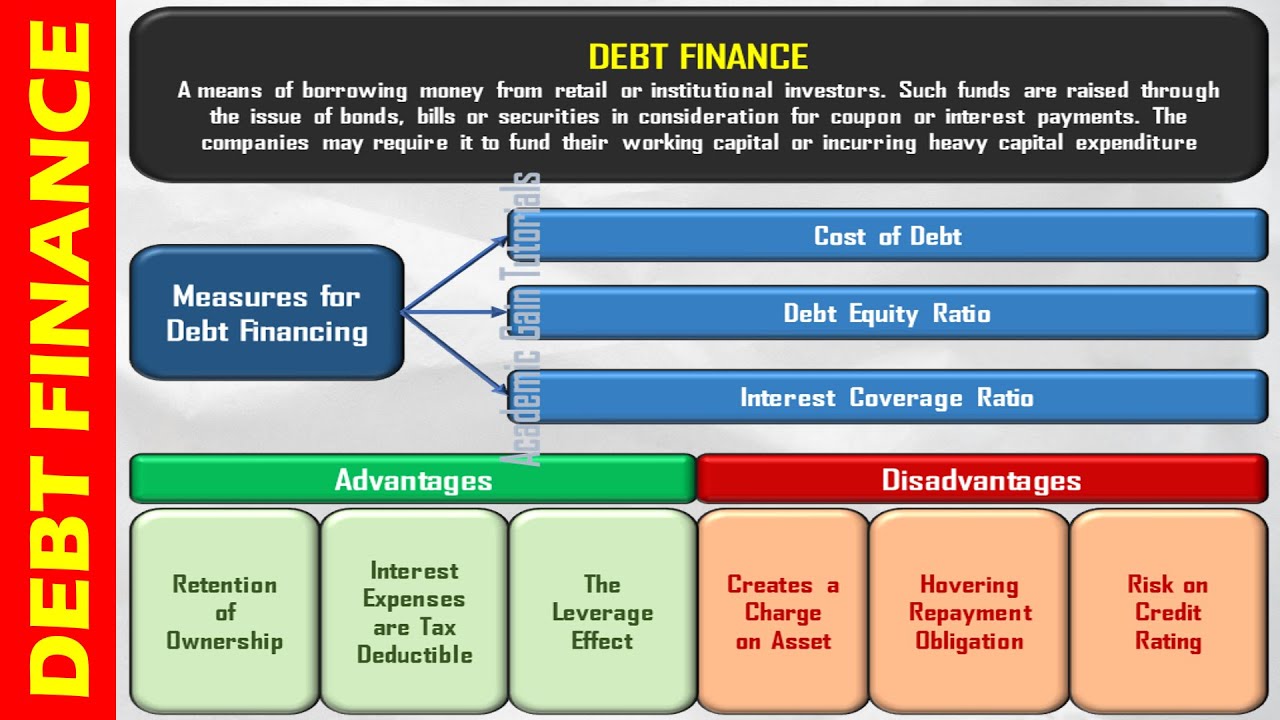
- Preserving ownership: Founders keep decision‑making power.
- Tax advantages: Interest payments are generally tax‑deductible.
- Predictable costs: A known interest rate makes budgeting easier.
- Leverage potential: Smart use of debt can boost returns on equity.
Of course, the flip side is risk. Missed payments can trigger defaults, possibly leading to loss of collateral or even bankruptcy.
Common Forms of Debt Financing
Term Loans
A traditional, lump‑sum loan repaid over a set period—often three to ten years. Banks love them, and they’re suitable for big‑ticket items like equipment or facility expansion.
Lines of Credit
Think of this as a financial safety net. The lender approves a maximum amount; you draw only what you need and pay interest on the balance you actually use.
Convertible Debt
This hybrid starts as a loan but can turn into equity under certain conditions, typically during a future financing round. It gives lenders a safety net while offering upside potential.
Supplier Credit
Not a formal loan, but a common practice where vendors allow delayed payment for goods. It effectively extends cash flow without formal interest, though late fees can apply.
How the Process Typically Unfolds
1. Assess Needs. Pinpoint the exact amount and purpose of the capital. Over‑borrowing is a classic pitfall.
2. Prepare Documentation. Financial statements, cash‑flow forecasts, and a solid business plan become your passport.
3. Shop Around. Compare rates, terms, and covenants across banks, credit unions, and online lenders.
4. Negotiate Terms. Interest, repayment schedule, and collateral can often be adjusted—don’t assume the first offer is final.
5. Close the Deal. Sign the loan agreement, receive funds, and set up automatic payments to stay on track.
Throughout, lenders will scrutinize your creditworthiness, debt‑to‑equity ratio, and projected earnings. A clear, realistic cash‑flow model can tip the scales in your favor.
Benefits and Drawbacks to Consider
Benefits are straightforward: you retain ownership, interest is tax‑deductible, and the repayment timeline is predictable. However, drawbacks linger:
- Cash‑flow pressure: Regular payments can strain operations, especially during slow periods.
- Risk of default: Missing a payment may trigger penalties, higher rates, or asset seizure.
- Covenants: Lenders may impose restrictions—like maintaining certain liquidity ratios—that limit flexibility.
Balancing these factors often comes down to the company’s stage, market stability, and confidence in future revenues.
When Debt Financing Makes Sense
If you’re looking to fund a specific, time‑bound project—such as a new production line, a marketing push, or a strategic acquisition—debt can be an efficient tool. It’s also a solid choice when your balance sheet already shows strong equity; leveraging that equity can amplify returns without surrendering control.
Conversely, if your cash flow is erratic or you anticipate a near‑future downturn, the rigidity of debt payments might prove too heavy. In those cases, exploring alternative financing—like revenue‑based financing or gradual equity raises—might be wiser.
Tips for Managing Debt Wisely
- Maintain a buffer in cash reserves to cover at least three months of payments.
- Monitor covenants closely; breach clauses often lead to renegotiation under less favorable terms.
- Consider refinancing if market rates drop significantly—lower interest can shave thousands off total costs.
- Keep open communication with lenders; transparency can prevent sudden surprises if your financial landscape shifts.
In short, debt financing isn’t a one‑size‑fits‑all solution, but when aligned with a clear strategy, it can propel growth while keeping ownership firmly in the hands of founders.