How Different Margin Types Work in Finance Explained Simply
When you hear the word “margin” in a trading conversation, it can feel like jargon packed into a single syllable. Yet the concept is surprisingly straightforward once you break it down. Below we’ll walk through the main margin types you’ll encounter, why they exist, and how they affect your bottom line.
What Does “Margin” Actually Mean?
In the most basic sense, margin is a security deposit you put up to open or maintain a leveraged position. It’s not a fee; it’s collateral that protects brokers and exchanges from the risk of you defaulting.
Think of it as a pawnshop ticket: you hand over an item of value (cash or securities) and, in return, you get the right to use more money than you actually own.
Major Margin Types in Finance
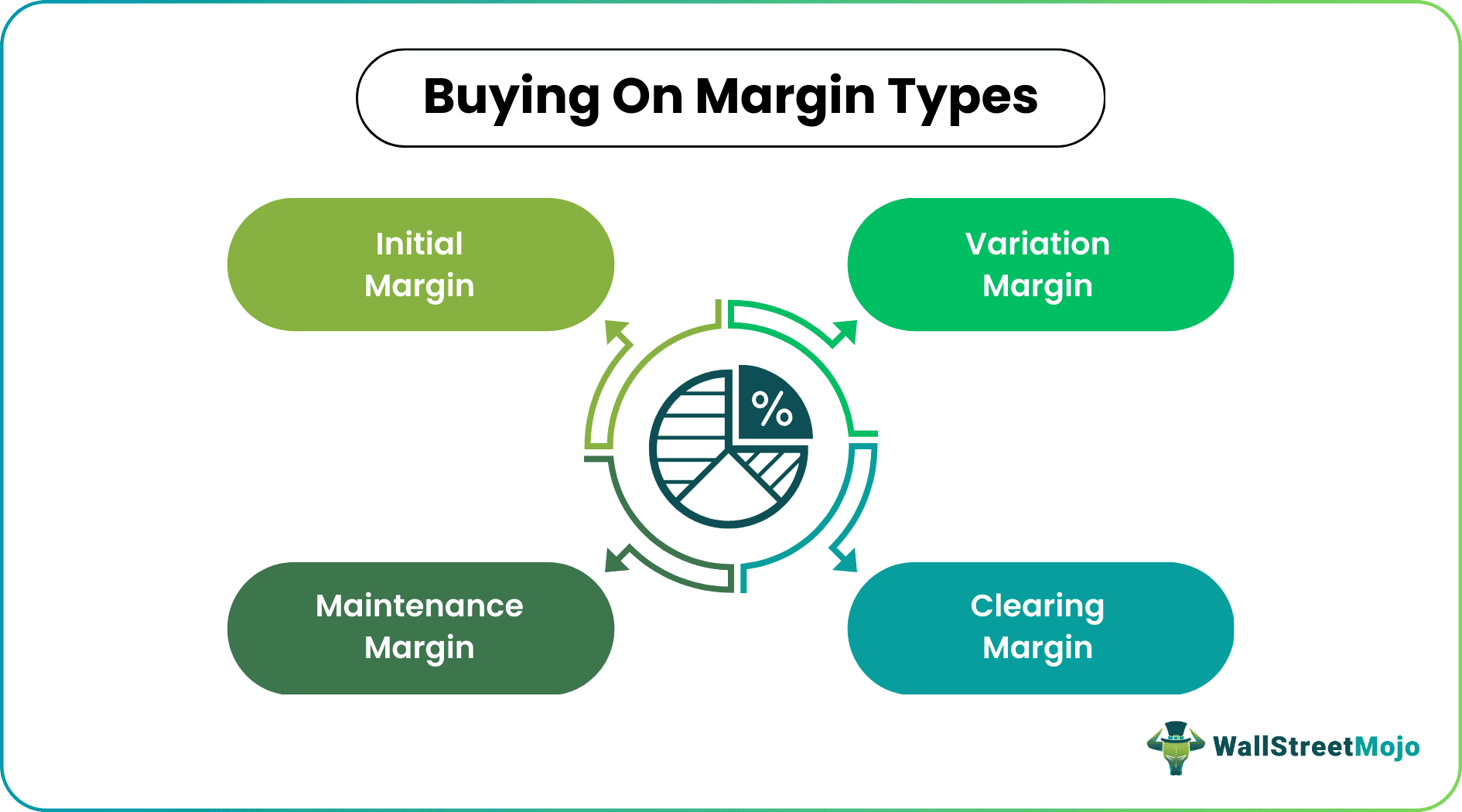
Initial Margin
The amount required to start a trade. For stocks, this is often around 50 % of the total position value, though it can vary by asset class and regulator.
- Calculated before the trade settles.
- Acts as a “good faith” buffer.
- If the market moves against you quickly, this is the first line of defense.
Maintenance Margin
Once your position is live, brokers demand a lower, ongoing balance—this is the maintenance margin. If your equity drops below this threshold, you receive a margin call.
- Typically 25 % of the market value for equities.
- Designed to keep the account solvent under normal volatility.
- Failing to meet a call may force the broker to liquidate positions.
Variation Margin
Common in futures and derivatives markets, variation margin reflects daily profit and loss (PnL). Gains are credited, losses are debited, and the account balance must stay above the maintenance level.
- Settled at the end of each trading day.
- Helps the clearinghouse manage systemic risk.
- Can create a cascade of cash movements during volatile periods.
Portfolio Margin
Advanced traders sometimes qualify for portfolio margin, which reduces required collateral based on overall risk rather than per‑position rules.
- Uses sophisticated risk models (e.g., SPAN).
- Can lower margin requirements to 15‑20 % for diversified portfolios.
- Eligibility often hinges on account size and trading experience.
Regulatory Margin
Regulators like the SEC or FCA set minimum margin standards to protect market integrity. These rules can override broker‑specific policies, especially for leveraged products like CFDs.
- Ensures a level playing field across the industry.
- May differ between jurisdictions.
- Often the baseline for “minimum margin” notices.
How These Margins Interact in Real‑World Trading
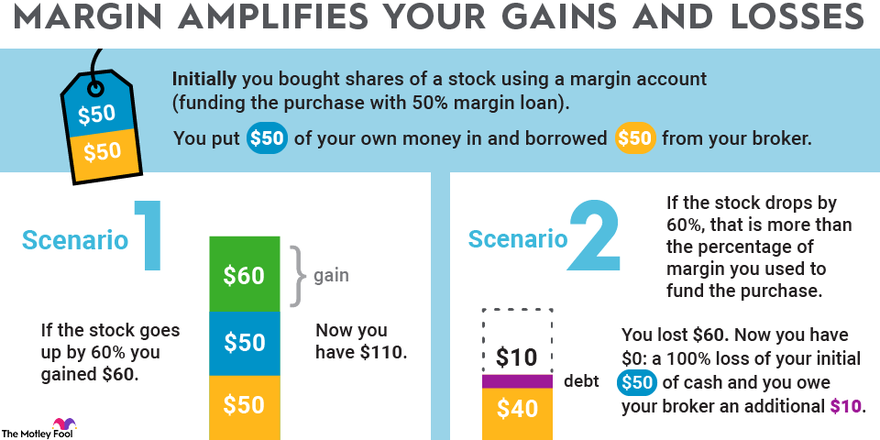
Imagine you want to buy $10,000 worth of XYZ shares on margin. Your broker requires a 50 % initial margin, so you put down $5,000. That $5,000 also serves as your maintenance margin—until the broker tells you otherwise.
If XYZ drops to $8,000, your equity falls to $3,000 (because $5,000 of your own cash plus a $3,000 loss). If the maintenance margin is set at $2,500, you’re still safe. Dip below that, and you’ll get a margin call asking for additional funds.
In futures, the story shifts. Each day the market moves, the clearinghouse settles variation margin. A sudden swing can require you to post extra cash before the next day’s trading begins, keeping the whole system liquid.
Key Differences to Keep in Mind
- Timing: Initial margin is one‑time; maintenance and variation margins are ongoing.
- Purpose: Initial margin protects the broker at trade opening; maintenance margin protects against gradual loss; variation margin handles daily PnL swings.
- Calculation: Simple percentages for simple assets, complex risk models for diversified portfolios.
- Regulation: Some margins are broker‑set, others are mandated by law.
Practical Tips for Managing Margin
- Know your thresholds. Keep an eye on both the initial and maintenance levels; a surprise call can be costly.
- Maintain a cushion. Having 10‑20 % more equity than the minimum can stave off forced liquidations.
- Use alerts. Most platforms let you set notifications for margin‑related events.
- Consider portfolio margin. If you trade multiple correlated assets, it might shave off a sizable chunk of required collateral.
- Stay aware of regulatory changes. New rules can alter margin percentages overnight.
When Margin Becomes a Strategic Tool
Margin isn’t just a safety net; it’s a lever. Skilled traders use it to amplify returns while controlling risk. The key is treating margin as a cost of capital—not free money.
By understanding each margin type and how it fits into your overall strategy, you can make more informed decisions, avoid nasty surprises, and keep your trading journey on a smoother path.

:max_bytes(150000):strip_icc()/profitmargin-95e131f391884e60a86dd080c4f23dae.jpg)
