How Do Submarines Move Underwater? A Detailed Guide
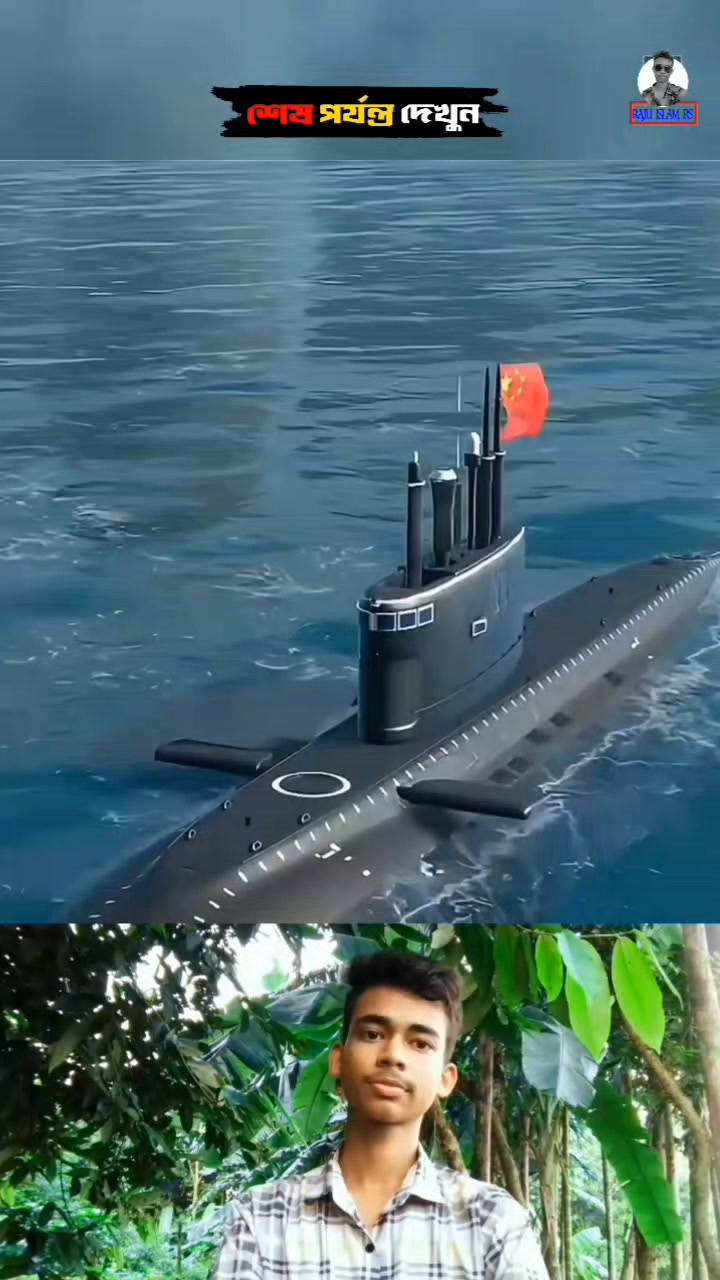
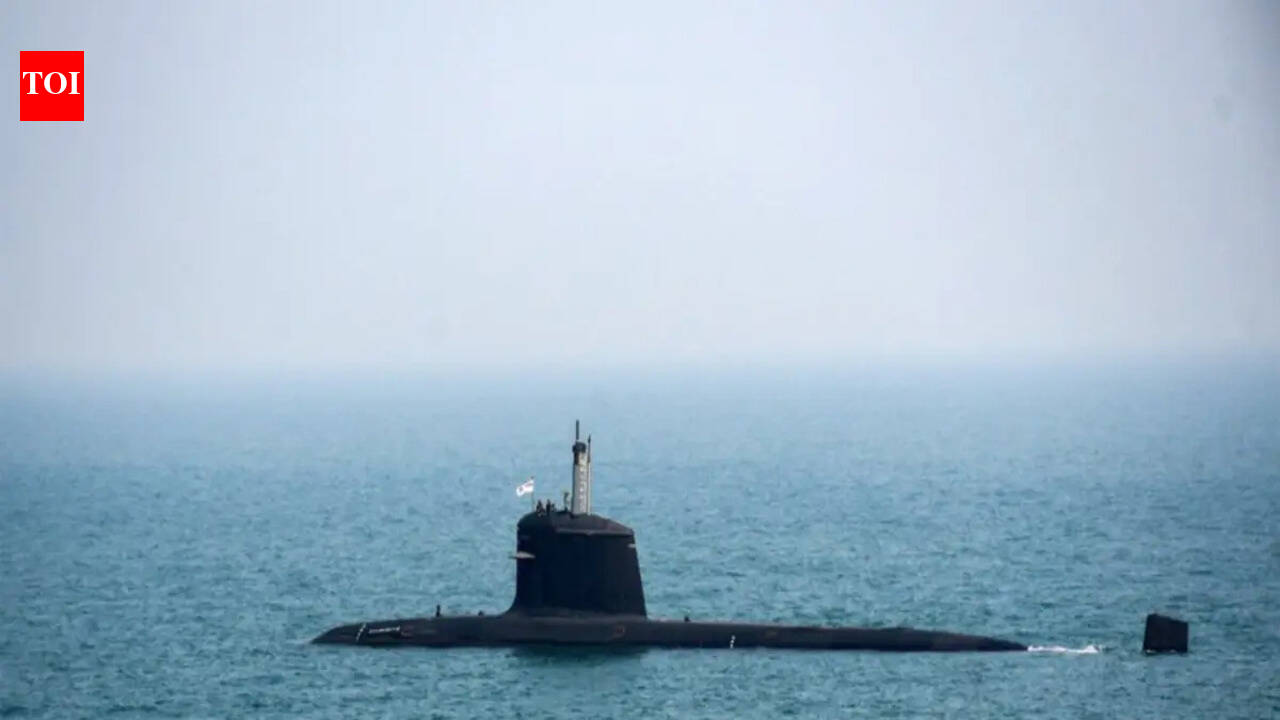
Submarines are complex machines that operate in one of the most inhospitable environments on Earth: the deep ocean. To move underwater, submarines use a combination of innovative technologies and clever engineering. In this article, we will delve into the world of submarine propulsion and explore the principles that enable these vessels to navigate the ocean with precision and stealth.
The movement of a submarine underwater is determined by its buoyancy, which is the upward force exerted by the surrounding water. To dive, a submarine must overcome its buoyancy and become denser than the surrounding water. This is achieved by filling ballast tanks with water or by using a specialized system to compress air and increase the submarine's density. Conversely, to rise to the surface, a submarine must become buoyant again by expelling water from its ballast tanks or by using a system to expand its air-filled compartments.
Propulsion Systems: The Heart of a Submarine
Once a submarine has achieved the desired depth, it relies on its propulsion system to move through the water. The most common type of propulsion system used in submarines is the diesel-electric system. This system consists of diesel engines that generate electricity, which is then used to power electric motors connected to propellers. The propellers, also known as screws, are responsible for pushing the submarine through the water. Some modern submarines use more advanced propulsion systems, such as nuclear reactors or air-independent propulsion systems, which offer increased efficiency and reduced noise signatures.
In addition to traditional propellers, some submarines are equipped with advanced propulsion systems, such as pump-jets or shrouded propellers. These systems use a ducted propeller or a pump-jet to increase efficiency and reduce noise. They work by accelerating the water flowing over the propeller blades, creating a region of low pressure behind the propeller and a region of high pressure in front of it. This pressure difference generates a forward force that propels the submarine through the water.
Steering and Control: The Art of Navigation
Submarines use a variety of control surfaces to steer and navigate underwater. The most common control surfaces are the stern planes, which are situated at the rear of the submarine, and the bow planes, which are located near the front. These planes, also known as diving planes or hydroplanes, are angled to produce a force that helps the submarine dive, climb, or maintain a steady depth. The angle of the planes is adjusted by the submarine's control system to achieve the desired depth and trajectory.
In addition to control surfaces, submarines use a range of sensors and navigation systems to determine their position and course. These systems include GPS, inertial navigation systems, and sonar. Sonar, which stands for Sound Navigation and Ranging, uses sound waves to detect and locate objects underwater. It works by emitting a sound wave and measuring the time it takes for the wave to bounce back from an object, allowing the submarine to calculate its distance and bearing.
Maneuverability and Speed: The Quest for Agility
Submarines are capable of reaching impressive speeds, with some models able to exceed 25 knots (46 km/h). However, their maneuverability is limited by their size and displacement. To improve their agility, submarines use a range of techniques, including adjusting their ballast and trimming their control surfaces. The ballast system allows the submarine to change its buoyancy and stability, while the control surfaces enable it to steer and dive with precision.
Some modern submarines, such as the US Navy's Virginia-class submarines, are designed with advanced maneuverability features, including a fly-by-wire control system and a high-efficiency propulsor. These features enable the submarine to perform complex maneuvers, such as rapid depth changes and tight turns, with increased precision and control.
Conclusion: The Science of Underwater Movement
In conclusion, submarines move underwater using a combination of innovative technologies and clever engineering. From the diesel-electric propulsion system to the advanced control surfaces and sensors, every component of a submarine is designed to work together to achieve efficient and stealthy operation. By understanding the principles of submarine movement, we can appreciate the complexity and beauty of these incredible machines and the important role they play in modern naval operations.
Whether used for military, scientific, or exploratory purposes, submarines continue to fascinate and inspire us with their ability to operate in one of the most extreme and unforgiving environments on Earth. As technology continues to evolve, we can expect to see even more advanced and efficient submarine designs, capable of exploring the depths of the ocean with greater precision and agility than ever before.