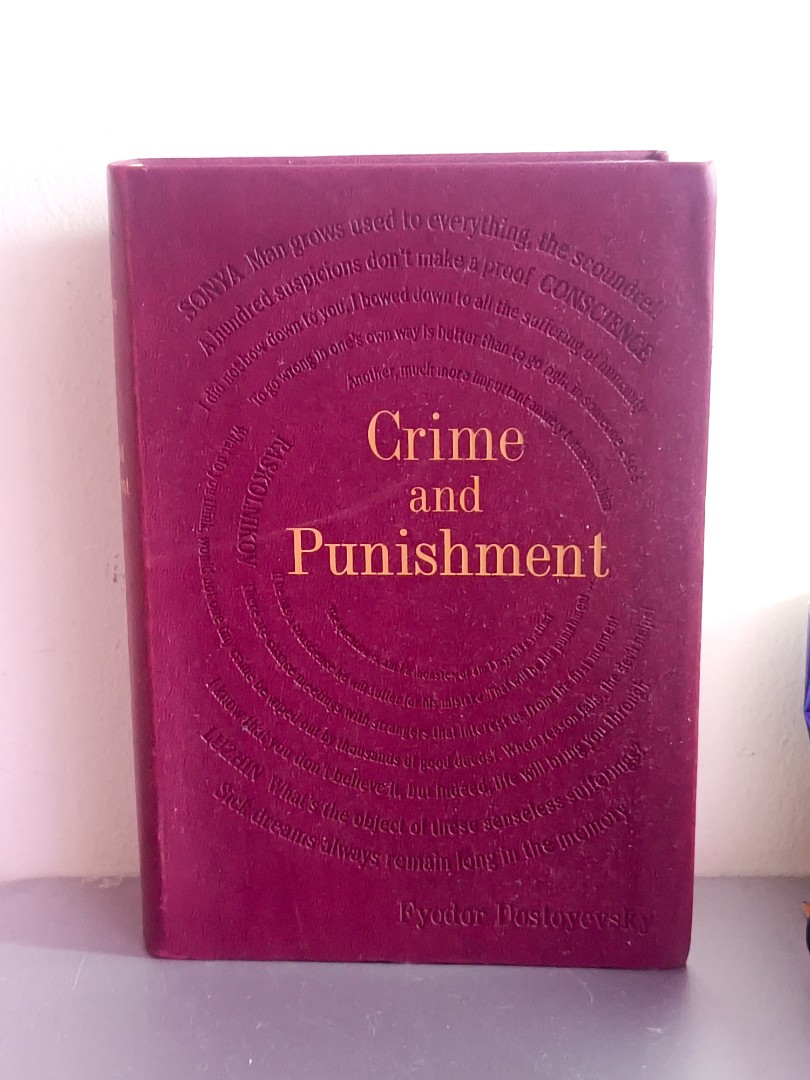
How Dostoevsky’s Crime and Punishment Redefines Genre
When Fyodor Dostoevsky released Crime and Punishment in 1866, readers expected another realist slice of St. Petersburg life. What arrived instead was a literary crucible where philosophy, psychology, and social critique fused, making the novel difficult to slot into a single genre. The result? A work that continues to bend the boundaries of literary classification.
Historical Context: A Russia on the Edge
Mid‑nineteenth‑century Russia was a nation in turmoil: serf emancipation, burgeoning industrialization, and a clash between Western ideas and Orthodox tradition. Dostoevsky, fresh from a Siberian exile, channeled that upheaval into his protagonist, Raskolnikov, whose inner conflict mirrors the larger national tension.
Rather than merely documenting the streets of Moscow, the author used the setting as a pressure cooker for moral experiments, allowing the novel to drift beyond conventional realism.
Genre Classification: A Multilayered Puzzle
Trying to label Crime and Punishment as purely “psychological fiction” or “social realism” feels like forcing a square peg into a round hole. The novel wears several hats, each revealing a different angle of its narrative machinery.
Psychological Thriller Roots
- Raskolnikov’s obsessive rationalizations create a claustrophobic mental landscape.
- The relentless focus on guilt, paranoia, and redemption anticipates modern thriller tropes.
Yet the tension never stems from external danger alone; it is generated from the protagonist’s own conscience.
Philosophical Novel
Throughout the text, Dostoevsky stages debates on utilitarianism, the nature of evil, and the possibility of redemption. Characters such as Sonya and Porfiry act less as plot movers and more as interlocutors in a sprawling ethical symposium.
These dialogues elevate the work from a crime story to a platform for existential inquiry.
Social Realism with a Dash of Satire
Scenes of cramped apartments, street vendors, and the infamous “pawnbroker’s shop” ground the novel firmly in the gritty reality of 1860s St. Petersburg. Yet Dostoevsky’s occasional irony—especially in his portrayal of bureaucratic indifference—adds a satirical sting rarely seen in straight‑forward realism.
Narrative Techniques That Blur Boundaries
What truly makes the novel a genre‑defying beast is its narrative toolbox. Dostoevsky mixes first‑person confession with omniscient commentary, slipping in and out of Raskolnikov’s mind at will. This shifting perspective keeps readers guessing whether they’re witnessing an objective crime report or a subjective moral drama.
Moreover, his use of “stream‑of‑consciousness” passages predates modernist experiments by decades, offering a glimpse of what would later become a staple of literary modernism.
Impact on Later Genres
Modern crime novels often owe a debt to Dostoevsky’s method of making the criminal’s psyche the central mystery. Think of the brooding anti‑heroes in contemporary noir or the introspective detectives of psychological thrillers—many trace their lineage back to Raskolnikov’s inner turmoil.
In the realm of philosophical fiction, authors like Albert Camus and Jean‑Paul Sartre have cited the novel as a template for exploring absurdity and freedom. The blend of moral quandary and societal critique opened doors for existential literature worldwide.
Why the Genre Debate Persists
Every new literary theory seems to find a fresh lens for Crime and Punishment. Some scholars champion it as a precursor to modern crime fiction, while others argue it belongs in the canon of spiritual literature. The truth, perhaps, lies in the novel’s refusal to be categorized.
As readers, we are invited to experience the text on multiple levels simultaneously—solving a crime, dissecting a philosophy, and witnessing a portrait of a society in flux. That simultaneity is precisely what keeps the genre conversation alive.
In the end, Dostoevsky’s masterpiece does more than narrate a murder; it reshapes the very notion of what a novel can be.