How Emerging Tech Is Redefining Fashion Trends and Innovation
When you walk into a boutique today, you might notice more than just the latest silhouettes. Sensors tucked into garments, apps that suggest outfits based on your mood, and fabrics that change colour with sunlight are no longer sci‑fi fantasies. This blend of runway aesthetics and cutting‑edge engineering is what many call “fashion tech.” It’s a space where designers, engineers, and data scientists converge, each pushing the other toward possibilities that feel both futuristic and deeply personal.
The Rise of Smart Textiles
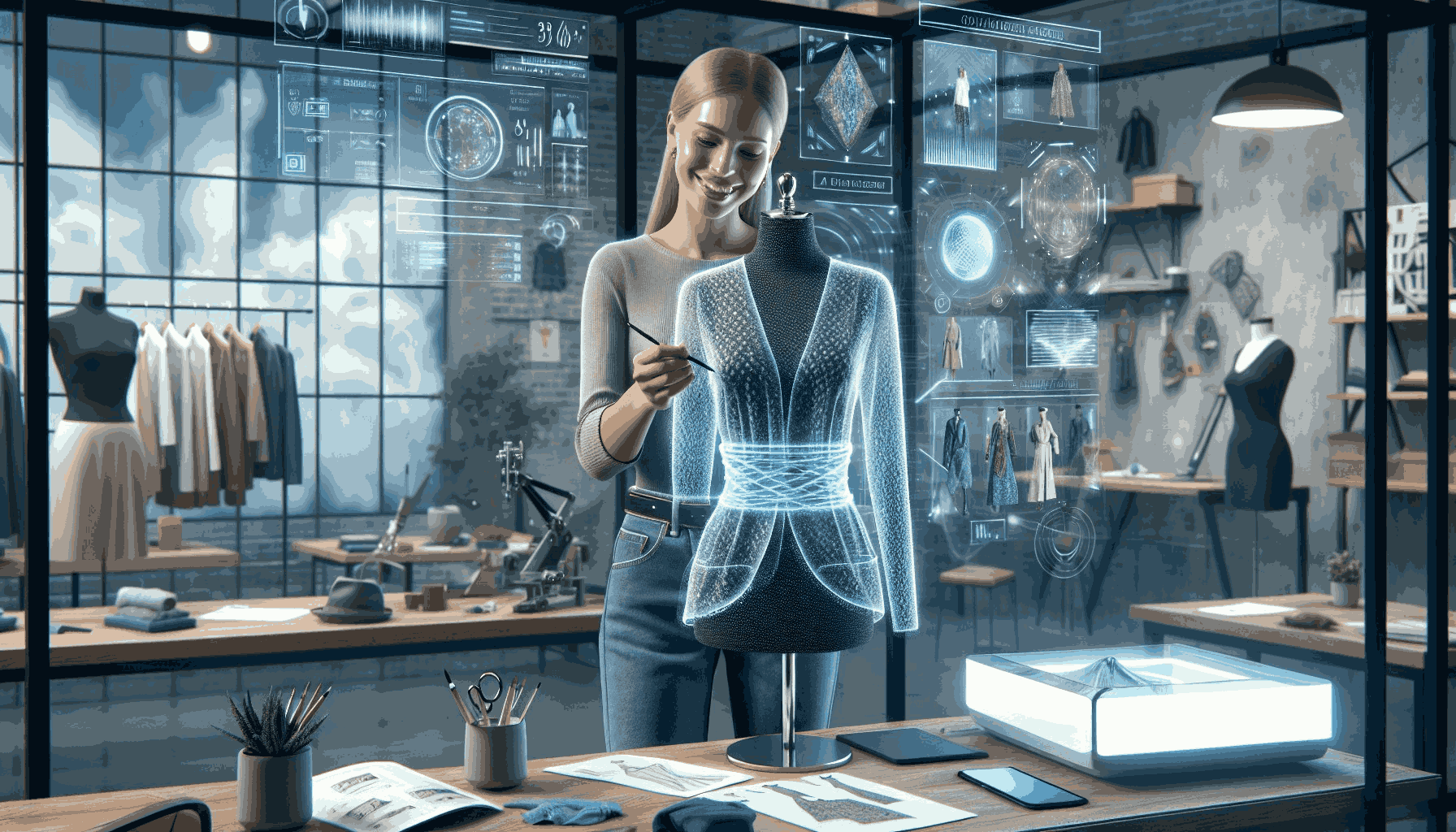
Smart textiles have moved past the novelty stage. Companies are now mass‑producing fibers woven with conductive yarns that can monitor heart rate, adjust temperature, or even charge a smartphone. Think of a jacket that cools you during a summer concert and warms you on a chilly evening—without a single button.
- Temperature‑regulating fabrics: Phase‑change materials absorb excess heat and release it when the environment cools.
- Bio‑monitoring seams: Integrated sensors relay data to a companion app, helping athletes track performance or reminding seniors to stay active.
- Energy‑harvesting threads: Tiny piezoelectric fibers capture kinetic energy from movement, enough to power low‑energy LEDs.
All of this isn’t just about gimmicks; it addresses real consumer demands for comfort, health monitoring, and sustainability.
3D Printing: From Concept to Closet
The once‑slow, experimental process of 3D printing has accelerated thanks to faster printers and new composite materials. Designers now prototype entire collections in days, not weeks, and some are even using on‑demand printing to eliminate excess inventory.
One striking example is a Paris‑based label that prints entire dresses from biodegradable polymer blends. The garments dissolve harmlessly after their lifecycle, offering a tangible solution to fast‑fashion waste. While the technology still struggles with large‑scale production speed, the creative freedom it provides is undeniable.
Artificial Intelligence and Design Forecasting
Predictive analytics have become a backstage hero. AI algorithms scan social media, runway footage, and even street‑style photos to identify emerging colour palettes, silhouettes, and patterns. Brands can then adjust their supply chains weeks in advance, reducing overproduction.
But AI isn’t just a trend‑spotting tool. Some designers collaborate with neural networks to generate novel prints. The result is often an unexpected blend of organic shapes and geometric precision that would be hard to imagine manually.
Key Benefits of AI in Fashion
- Speedier trend identification, cutting research cycles by up to 70%.
- More accurate inventory planning, lowering markdowns and waste.
- Personalised recommendations that keep shoppers engaged longer.
Augmented Reality: Trying Before You Buy
AR mirrors in fitting rooms let shoppers visualise how a garment drapes without physically trying it on. Online, apps superimpose a virtual outfit onto a live video feed, letting users gauge fit and style from their sofa. The technology reduces return rates—a major pain point for e‑commerce retailers.
While early versions suffered from lag and inaccurate scaling, recent advances in depth‑sensing cameras have made the experience smoother. The next step? Integrating AR with smart textiles, so you could see a colour shift in real time as you move.
Sustainable Innovations Driven by Tech
Eco‑consciousness is no longer a niche concern. Tech is enabling circularity in ways that were impossible a decade ago.
- Blockchain traceability: Consumers can scan a QR code to see a garment’s entire journey—from fibre sourcing to factory conditions.
- Water‑free dyeing: Laser and plasma technologies imprint colour without traditional water‑intensive processes.
- Recyclable composites: New polymer blends can be broken down and re‑spun into fresh fibres, closing the loop.
These solutions often require hefty upfront investment, but forward‑thinking brands view them as long‑term safeguards against regulatory pressure and shifting consumer values.
Challenges on the Horizon
Even as excitement builds, the fashion‑tech ecosystem faces hurdles. Data privacy remains a concern when garments collect biometric information. Compatibility standards for smart fabrics are still fragmented, making it hard for designers to switch suppliers without redesigning whole collections. And, despite cheaper prototyping, scaling up production while maintaining quality is a delicate balancing act.
Moreover, the fast‑paced nature of technology can clash with the slower, craftsmanship‑focused timelines of luxury fashion houses. Finding a middle ground—where precision engineering meets artisanal detail—will likely define the next wave of collaborations.
What to Watch in the Coming Year
If you’re curious about where fashion tech is headed, keep an eye on these developments:
- Voice‑activated wardrobe assistants that suggest outfits based on calendar events.
- Biodegradable electronic components that dissolve after the garment’s usable life.
- Cross‑industry partnerships, especially between automotive tech firms and high‑end designers, exploring new materials for both interiors and apparel.
The intersection of style and technology continues to blur, turning what we wear into an interactive extension of ourselves. Whether you’re a designer, a retailer, or simply a fashion‑forward consumer, the next season promises tools that are as intelligent as they are elegant.