How Facial Expressions in Mugshots Reveal Hidden Emotions
Ever glanced at a police booking photograph and wondered what the subject’s face is really saying? Those stark, black‑and‑white images are more than just records; they are unconscious snapshots of how people react when the law catches up with them. The study of those fleeting looks—anger, resignation, bravado—falls under a surprisingly nuanced branch of psychology. Below we’ll unpack why mugshot expressions matter, what they can (and cannot) tell us, and how researchers tease meaning from a moment that lasts only a fraction of a second.
The Science Behind a Split‑Second Glance
Facial‑expression research dates back to Charles Darwin, who argued that emotions are universal and biologically rooted. Modern psychologists build on that foundation with tools like the Facial Action Coding System (FACS), which breaks a face down into individual muscle movements called action units. When a suspect steps in front of the camera, their brain fires a cascade of stress‑related hormones, and the face often betrays what the words conceal.
Key points that make mugshot expressions a fertile research ground:
- High stakes: The subject knows they’re being recorded for legal purposes, prompting instinctive self‑presentation.
- Limited time: Photographers snap a picture in a few seconds, leaving little room for deliberate control.
- Standardized setting: Uniform lighting and pose reduce external variables, letting psychologists focus on facial cues.
Common Emotional Signals and Their Meanings
Defiance and “Tough” Facades
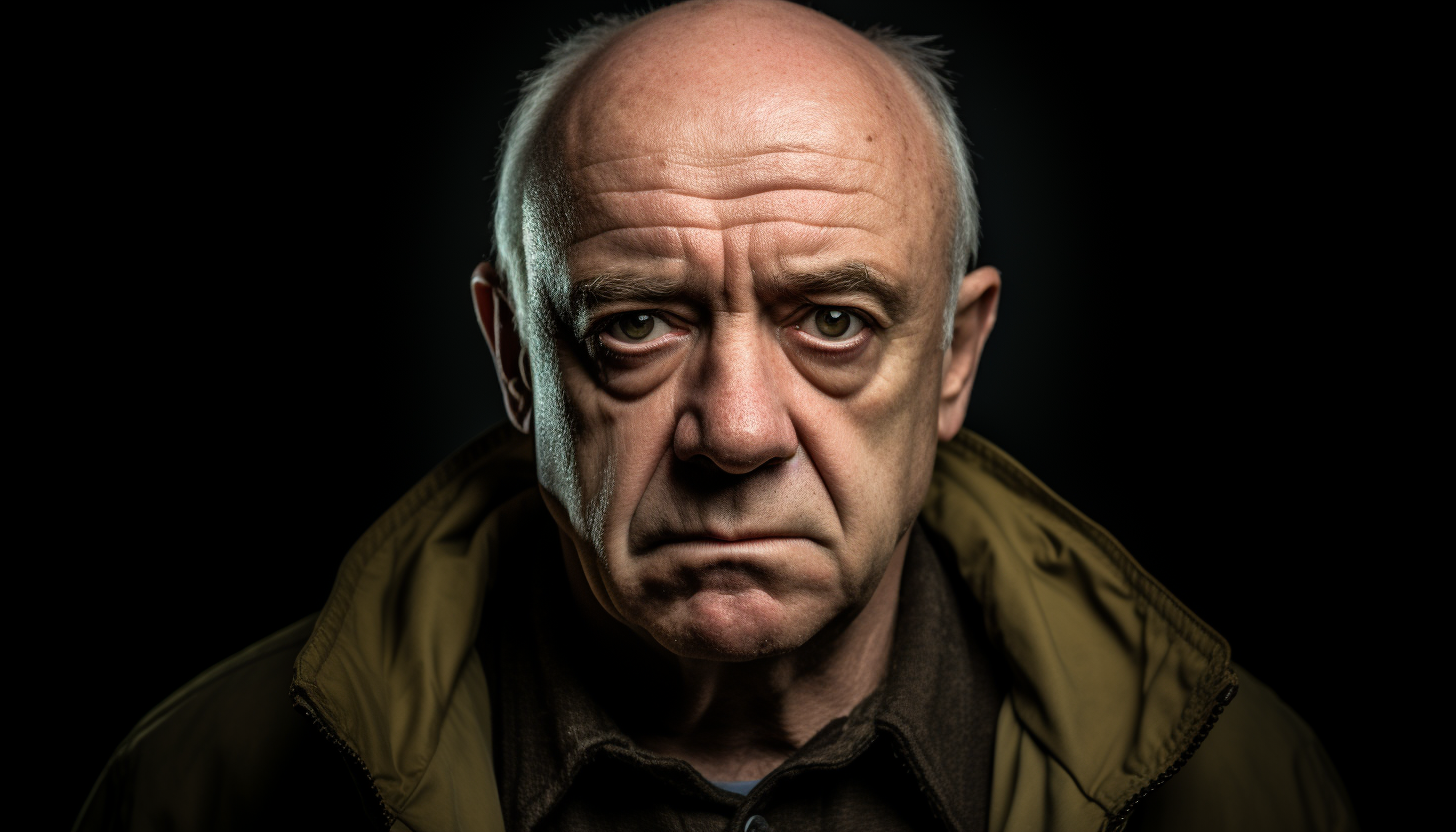
Many suspects adopt a hardened stare, clenching the jaw and narrowing the eyes. Those are classic signs of dominance and an attempt to project strength. Research suggests this posture can be a defensive strategy, a way to signal to both the police and future observers that the individual is not an easy target.
Resignation and the “Empty Look”
Conversely, a vacant expression—softened eyes, a slight droop of the mouth—often signals resignation. The brain’s prefrontal cortex switches to a “give‑up” mode under overwhelming stress, producing a calmer, almost detached gaze. Such looks can hint at an internal acknowledgment of guilt or simply fatigue from the confrontational process.
Fear and Hyper‑Alertness
Raised eyebrows, widened eyes, and a slightly open mouth make up the classic fear response. This configuration readies the body for a fight‑or‑flight reaction. In a mugshot, it may reveal genuine anxiety about legal consequences, but it can also be a performative act meant to elicit sympathy.
Why Interpretation Isn’t Straightforward
Even with sophisticated coding systems, reading a mugshot is part art, part science. Cultural background, personal history, and the specific circumstances of the arrest all color the facial signal. A smile, for example, might be a nervous chuckle, a mask of confidence, or a genuine moment of relief if the suspect expects leniency.
Moreover, the very act of being photographed can alter the expression. Some people freeze, producing a neutral face that offers little clue. Others may over‑act, consciously trying to influence the image that will become part of the public record.
Practical Applications for Law Enforcement and Beyond
- Interview preparation: Detectives can use expression analysis to gauge a suspect’s emotional state before a formal interview, tailoring their approach accordingly.
- Risk assessment: Patterns of defiant facial cues across multiple bookings might flag individuals who are more likely to reoffend, prompting closer monitoring.
- Legal strategy: Defense teams sometimes reference a suspect’s neutral or remorseful expression as part of a narrative about character.
Ethical Considerations
Turning a face into a data point raises privacy and bias concerns. Overreliance on facial cues can lead to stereotyping, especially if cultural expression norms are misunderstood. Ethical practice demands that any interpretation be paired with corroborating evidence and that analysts remain aware of their own preconceptions.
Bottom Line
Mugshot expressions sit at the crossroads of law, psychology, and technology. They offer a fleeting glimpse into the subconscious reactions of people caught in a high‑stress moment, but they are far from definitive proof of guilt or innocence. When used responsibly—combined with solid investigative work and a healthy dose of skepticism—these micro‑expressions can enrich our understanding of human behavior under pressure, reminding us that even the most bureaucratic procedures leave room for the subtle drama of the human face.