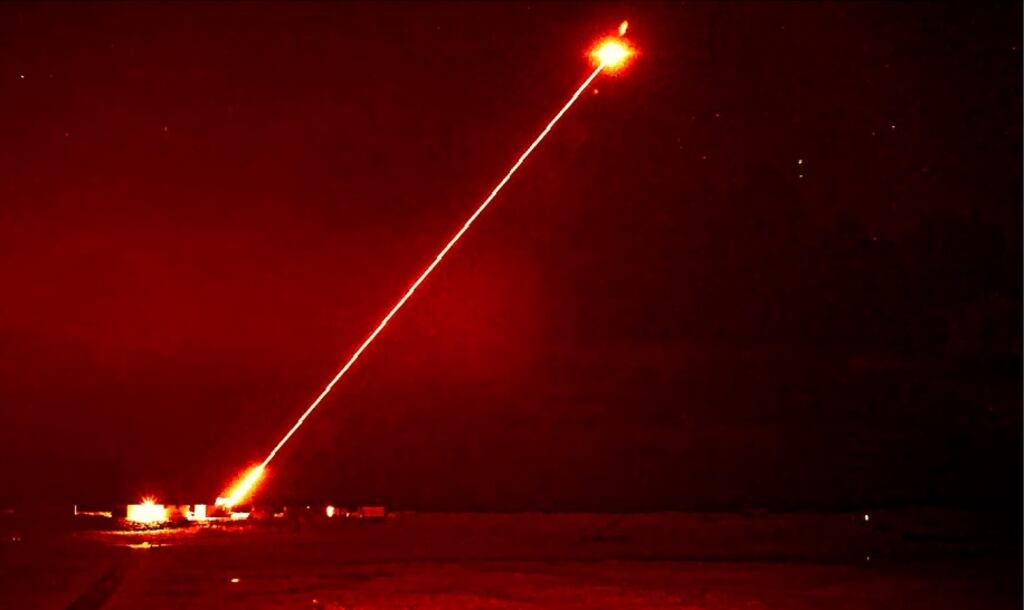
How HighEnergy Laser Weapon Systems Operate: A Deep Dive
When you hear “laser weapon,” the first image that pops into mind is a sci‑fi beam slicing through the sky. The reality, however, is a blend of optics, electronics, and aerospace engineering that’s far more nuanced. HighEnergy laser weapon systems (HELWS) are already moving from laboratory prototypes to deployed platforms, and they’re reshaping how militaries think about defense.
What Makes a Laser “High‑Energy”?
In everyday life, a laser pointer is harmless—its power is measured in milliwatts. A high‑energy laser, by contrast, operates in the kilowatt to megawatt range. That jump in power isn’t just a number; it dictates everything from beam quality to thermal management.
- Power output: Typically 10 kW‑100 kW for current systems; research pushes toward the megawatt class.
- Wavelength: Near‑infrared (1–1.06 µm) is popular because fiber lasers can handle high powers efficiently.
- Beam quality: Low divergence ensures the beam stays tight over kilometers, crucial for targeting.
These three factors intertwine. A higher power source often demands better cooling, which in turn can affect the laser’s size and the platform that can carry it.
Core Components and How They Fit Together
At a glance, a HELWS looks like a box with a lens. Peel back the layers, and you’ll find a fairly complex assembly.
1. Power Generation
Most ship‑borne or vehicle‑mounted systems use solid‑state generators or high‑capacity batteries. Some experimental platforms tap directed energy from the ship’s propulsion system itself, a concept known as power‑by‑design.
2. Amplifier
The heart of the laser is the amplifier—often a fiber or slab design. Fiber lasers excel at maintaining beam quality, while slab lasers can handle higher peak powers without suffering from nonlinear effects.
3. Beam Control
Before a photon leaves the muzzle, it passes through a suite of optics: steering mirrors, adaptive lenses, and a tracking sensor. Adaptive optics can correct atmospheric distortion in real time, a capability that makes a big difference at ranges beyond a few kilometers.
4. Cooling System
Heat is the enemy of high‑energy lasers. Water‑cooled loops, phase‑change materials, and even cryogenic systems are employed to keep the laser cavity under control. One design I saw recently uses a hybrid liquid‑air system that recirculates coolant through a heat exchanger mounted on the hull of a destroyer.
Operational Modes: From Point‑Defense to Strike
HELWS aren’t one‑size‑fits‑all; they can be tailored to specific mission profiles.
- Point‑defense: Counter UAVs, missiles, or small boats. The laser fires a continuous beam that heats the target’s skin until structural failure.
- Area denial: By “dazzling” or temporarily blinding optics on hostile platforms, a laser can create a protective bubble without causing permanent damage.
- Precision strike: Emerging designs aim to use pulsed high‑energy beams to penetrate armor, a capability still under heavy research.
Because lasers travel at light speed, there’s virtually no “time‑to‑impact” lag, making them especially compelling for defending against fast, incoming threats.
Advantages Over Conventional Munitions
Switching from rockets to photons isn’t just flashy—it brings concrete benefits.
- Low cost per shot: Once the system is built, each engagement can cost pennies compared to a missile that runs into the thousands.
- Unlimited “magazine”: As long as power is available, you can keep firing; there’s no need to reload.
- Reduced collateral damage: A laser can be aimed precisely at the vulnerable part of a target, sparing nearby civilians or infrastructure.
That said, the technology isn’t a silver bullet. Weather—especially rain, fog, or dust—can scatter the beam, dropping effectiveness dramatically. Engineers are building dual‑mode systems that pair lasers with traditional interceptors to hedge against these conditions.
Current Deployments and Testbeds
The United States, China, and Russia are all field‑testing various platforms. The U.S. Navy’s Laser Weapon System (LaWS) on the USS *Portsmouth* demonstrated the ability to destroy drones at roughly a kilometer. Meanwhile, the German Navy’s HELIOS project is focusing on a ship‑mounted 150 kW system designed for littoral operations.
On the land side, the U.S. Army’s Induction Heating Laser (IHL) is being evaluated for protecting forward operating bases from mortar attacks. Early results suggest a 35 kW beam can neutralize incoming shells within seconds—if the sky stays clear.
Challenges Still on the Horizon
Every cutting‑edge tech hits a few roadblocks before becoming routine.
- Power density: Generating megawatt‑level beams on a mobile platform without draining the host’s power reserves remains tricky.
- Thermal wear: The optics themselves degrade under constant high‑heat exposure, requiring frequent maintenance or self‑healing coatings.
- Regulatory concerns: International law still wrestles with the classification of directed‑energy weapons—are they “non‑lethal” or do they count as conventional weapons?
These obstacles are driving research into new materials, such as graphene‑based heat spreaders, and into smarter control algorithms that can dynamically balance power output with system health.
Future Outlook: Where Do We Go From Here?
Looking ahead, the trend points toward integration. Imagine a future warship that blends radar‑guided missiles, kinetic railguns, and high‑energy lasers into a single combat suite. The laser would handle the “hair‑trigger” threats—tiny, fast, and plentiful—while larger munitions take on the heavy hitters.
There’s also excitement about laser‑powered UAVs. A drone outfitted with a miniature 5 kW laser could patrol borders, delivering precise, non‑lethal warnings to intruders. The concept is still nascent, but a few prototypes have already taken flight for testing.
In short, high‑energy laser weapon systems are no longer a futuristic footnote. They’re marching from the lab to the deck, from test ranges to operational theaters. As power sources get lighter and optics become more resilient, the laser’s role in modern defense will only grow—bright, focused, and undeniably real.