How Hirohiko Araki’s Art Evolved and Shaped Modern Manga
Few manga artists have left a visual imprint as unmistakable as Hirohiko Araki. From the gritty beginnings of Ba Bar to the flamboyant poses of JoJo’s Bizarre Adventure, his style has turned heads, sparked debates, and inspired countless creators. Yet the journey isn’t a straight line; it’s a series of bold experiments, cultural cross‑pollinations, and occasional missteps that together form a distinctive artistic legacy.
The Early Years: Rough Sketches and Raw Energy
Araki’s debut works in the mid‑80s carried the hallmarks of the era’s shōnen aesthetic: heavy line work, exaggerated muscles, and a clear‑cut focus on action. In Ba Bar, the panels feel almost kinetic, as if the ink itself were trembling with adrenaline. This raw energy served two purposes:
- Establishing momentum: Fast‑paced panels kept readers hooked.
- Testing limits: Araki played with perspective, sometimes stretching anatomy to the brink of absurdity.
Those early experiments laid the groundwork for a visual language that would later become his signature.
Transition to JoJo: A Break from Convention
When JoJo’s Bizarre Adventure launched in 1987, Araki made a daring shift. Gone were the straightforward fight scenes; in their place appeared:
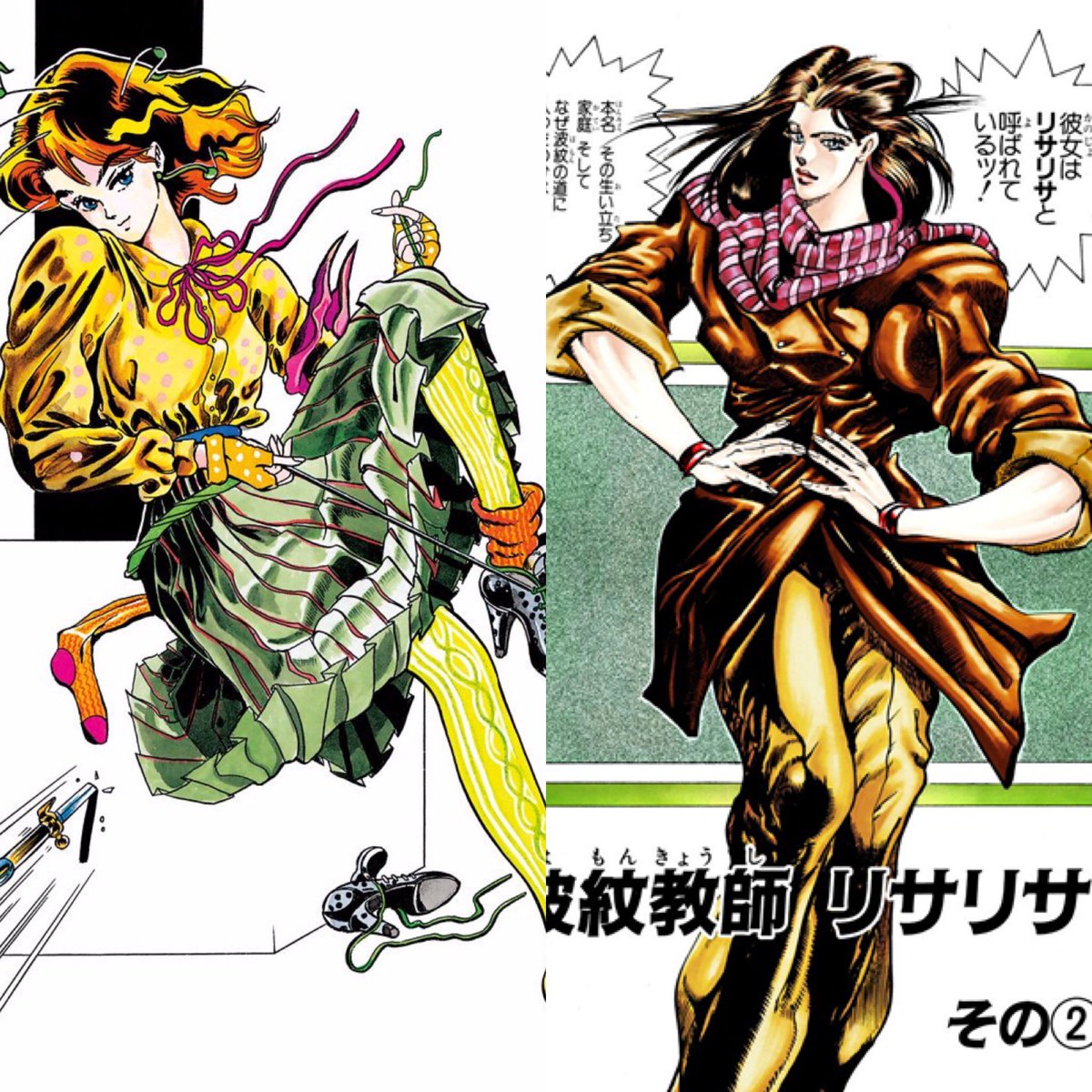
- Elegant, fashion‑forward costumes influenced by high‑end runway shows.
- Poses that seemed more at home on a magazine cover than a battle page.
- Color palettes that embraced bold contrasts rather than the traditional monochrome shading.
These choices weren’t random. Araki was absorbing Western art—especially the works of Michelangelo, Gustav Klimt, and later, the surrealists. The result was a hybrid style that felt simultaneously Japanese and European, a visual cross‑culture that baffled purists but fascinated a growing fanbase.
Mid‑Series Evolution: From Muscles to Muscles of Light
As the series progressed into its third and fourth arcs, the art took another turn. Muscles became less about raw power and more about suggestion. Light and shadow played off each other in ways that hinted at the characters’ inner “Stands.”
Key visual developments include:
1. Dynamic Line Weight
Araki began using thin, delicate lines for facial features while reserving thicker strokes for dramatic action. This contrast gave his panels a layered depth that felt almost three‑dimensional.
2. Color Experimentation
The shift to color in the later arcs wasn’t just a marketing move; it allowed Araki to explore complementary hues, letting the “Stand” abilities visually echo their powers. A flame‑based Stand might be rendered in warm oranges and reds, while a psychic one glows with icy blues.
Influence on Contemporary Manga Artists
Modern creators often cite Araki as a catalyst for breaking stylistic boundaries. You’ll notice his impact in:
- the exaggerated fashion sense of Chainsaw Man’s devil‑hunter outfits,
- the fluid, almost painterly backgrounds in Attack on Titan, and
- the bold, daring panel layouts of newer seinen titles that favor “cinematic” storytelling.
Even outside manga, fashion designers have borrowed his flamboyant costumes for runway collections, proving that his visual narrative transcends the page.
Why Araki’s Style Still Resonates
There’s a simple yet powerful reason his art endures: it feels alive. Every pose, every splash of color, seems to anticipate the next surprise. This sense of anticipation creates a dialogue with the reader—an unspoken promise that something unexpected is just around the corner.
Moreover, Araki’s willingness to reinvent himself keeps longtime fans engaged while inviting newcomers. He doesn’t cling to a single look; instead, he lets his characters evolve, mirroring the shifting tastes of the manga market.
Key Takeaways for Aspiring Artists
- Embrace cross‑cultural influences. Don’t shy away from borrowing ideas from fashion, fine art, or even architecture.
- Experiment with line weight. Thin lines can convey elegance; thick lines can amplify impact.
- Use color strategically. Even in black‑and‑white works, consider how shading can evoke mood.
- Stay adaptable. What works in one arc may feel stale in the next—be ready to evolve.
In the end, Hirohiko Araki’s journey from rough‑hewn sketches to a globally recognized visual brand illustrates that art is never static. It’s a conversation between creator, medium, and audience—one that keeps changing as long as the artist remains curious.