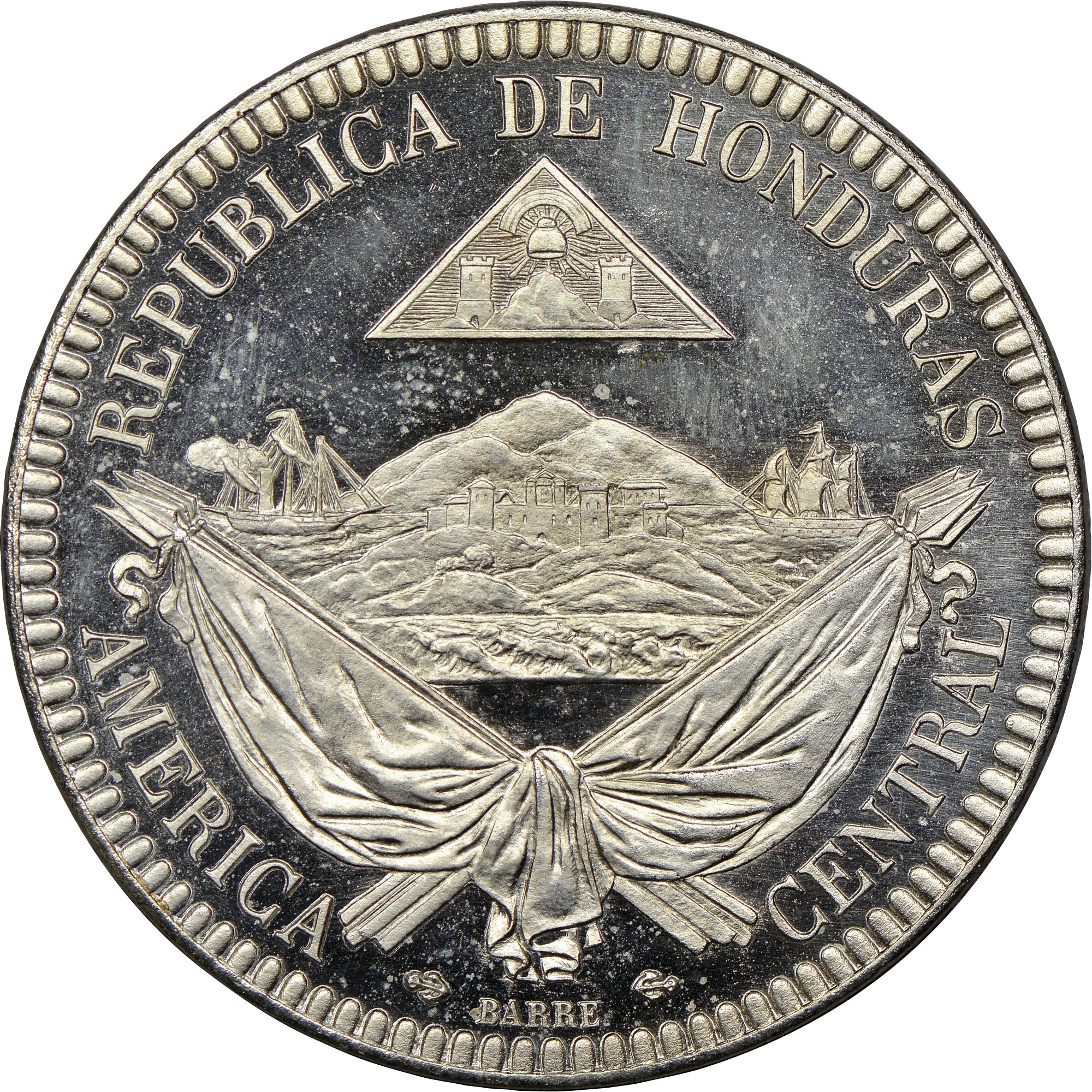
How Honduras Paid the Price for Freedom and Independence
When Honduras finally stepped out from under Spanish rule in 1821, the celebration was tempered by a stark reality: liberty came with a hefty price. The nation’s early years were marked by wars, shifting alliances, and economic upheavals that still echo in today’s politics. Understanding that “price of freedom” involves more than just a date on a calendar helps explain why Honduras continues to wrestle with inequality and foreign influence. Below, we trace the major costs—human, economic, and cultural—that shaped the country’s path to independence.
The Historical Context: Colonial Rule and Early Struggles
Under the Captaincy General of Guatemala, Honduras was a peripheral province, supplying raw materials while receiving little political autonomy. The Bourbon reforms of the late 18th century intensified tax burdens, prompting local elites to flirt with rebellion. When the broader Central American independence movement ignited in 1821, Honduran leaders faced a dilemma: join a fragile federation or risk isolation. They chose the former, hoping a united front would offset the looming threats of foreign powers.
The Cost of War: Human Lives and Social Disruption
Independence did not bring peace. Between 1821 and the mid‑19th century, Honduras was drawn into multiple conflicts—first the Central American Civil War, then the Filibuster invasions of the 1850s. Casualties remain hard to pin down, but contemporary accounts describe villages emptied, families displaced, and a generation of young men lost to battlefields that stretched from the Caribbean coast to the highlands. The trauma left deep scars, fostering a culture of distrust toward both neighboring states and external interventions.
Economic Aftershocks: Land, Labor, and Debt
War and political instability disrupted the agricultural economy that had long sustained the country. Large haciendas, once managed by Spanish encomenderos, were seized or sold to foreign investors, especially from the United States and Britain, who were eager to exploit banana and coffee plantations. This transfer of land often displaced indigenous and peasant communities, forcing them into low‑wage labor or subsistence farming on marginal soils.
Compounding the loss of productive land, the newly formed Honduran government incurred hefty foreign loans to fund militia expenses and infrastructure projects. Servicing those debts required high export taxes, which squeezed the already struggling smallholder farmers. The economic model that emerged—export‑oriented, foreign‑capital‑driven—locked Honduras into a cycle where the benefits of independence were unevenly distributed.
Cultural Resilience and the Ongoing Quest for True Autonomy
Despite the hardships, Hondurans cultivated a robust sense of identity rooted in indigenous traditions, mestizo folklore, and Catholic festivals. Music, dance, and oral histories became vehicles for preserving collective memory of resistance, even as political elites negotiated with external powers. This cultural resilience proved crucial when later 20th‑century movements—such as the 1954 banana workers’ strike—demanded labor rights and national sovereignty.
In recent decades, the “price of freedom” has taken on new dimensions: environmental degradation from mining, migration pressures, and the lingering shadow of organized crime. Yet the same spirit that endured colonial exploitation fuels contemporary civil society groups pushing for transparent governance and equitable resource distribution. The struggle for genuine independence—beyond symbolic dates—remains a living, evolving conversation.
Key Takeaways: Summarizing the Costs
- Human toll: Prolonged conflicts resulted in significant loss of life and displacement.
- Land loss: Foreign investors acquired large swaths of fertile territory, marginalizing local producers.
- Debt burden: Early loans created a fiscal dependency that shaped economic policy for decades.
- Cultural continuity: Indigenous and mestizo traditions sustained communal cohesion amid turmoil.
Frequently Asked Questions
What were the main wars that affected Honduras after 1821? The early republic faced the Central American Civil War (1826‑1829), the Filibuster incursions led by William Walker in the 1850s, and numerous border skirmishes with neighboring states, each draining manpower and resources.
How did foreign investment influence Honduran agriculture? Investors, primarily from the United States and Britain, established banana and coffee plantations, introducing monoculture economies. While export revenues grew, small farmers often lost land and were relegated to low‑wage labor, deepening socioeconomic gaps.
Is Honduras still paying the price for its independence today? Many analysts argue that the legacy of debt, land concentration, and external political pressure continues to shape policy choices. Contemporary challenges—environmental, migratory, and security‑related—can be viewed as extensions of the historical costs incurred during the nation’s formative years.