How Hot Does Indonesia Get? A Seasonal Temperature Guide
Indonesia, an archipelago of more than 17,000 islands, is famous for its tropical climate, but “tropical” can mean a lot of different temperature experiences. From the cool highlands of Papua to the sweltering streets of Jakarta, the heat varies not just by region but also by time of year. If you’re planning a trip, moving there, or simply curious, here’s a straightforward look at how hot it can really get across the country.
Understanding Indonesia’s Climate Zones
Most of Indonesia lies within the equatorial belt, which brings two main seasons: the wet (or monsoon) season and the dry season. However, the temperature profile isn’t uniform.
- Coastal Lowlands: Warm and humid year‑round, often feeling hotter than the thermometer suggests.
- Mountainous Regions: Cooler evenings and occasional mornings with mist, even during the dry months.
- Urban Centers: Heat islands—places like Jakarta and Surabaya—can push temperatures higher than surrounding rural areas.
Typical Temperature Ranges
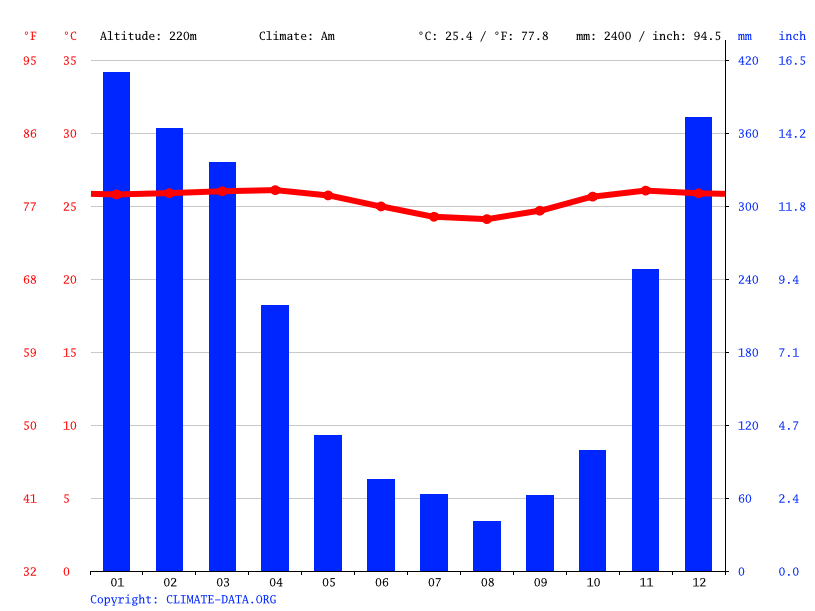
On average, daily highs across Indonesia hover between 28°C (82°F) and 33°C (91°F). Nighttime lows usually settle around 22°C (72°F). These figures change noticeably depending on the island and season.
Java and Sumatra
In cities such as Jakarta (Java) and Medan (Sumatra), the hottest months are usually from April to October. Daytime highs often hit 33‑35°C (91‑95°F), while humidity can push the “feels‑like” temperature into the low 40s Celsius.
Bali and Lombok
Tourist hubs like Denpasar (Bali) and Mataram (Lombok) see a slightly milder peak, with average highs around 31‑33°C (88‑91°F) during the dry season (May‑September). The evenings are pleasant, dropping to about 24°C (75°F) near the coast.
Kalimantan (Borneo)
The interior rainforest areas experience oppressive heat combined with relentless humidity. In places like Banjarmasin, daytime temperatures can linger at 34°C (93°F) for weeks straight, especially in September.
Eastern Indonesia (Maluku & Papua)
These eastern islands generally stay a touch cooler, thanks to maritime influences. In Ambon, the warmest months see highs of 30‑32°C (86‑90°F). However, the highlands of Papua, such as Wamena, can feel crisp, with midday temperatures only reaching 22‑24°C (72‑75°F).
When Does the Heat Peak?
The “hot season” aligns with the dry period because cloud cover is thinner, allowing more solar radiation to reach the ground. In most parts of Indonesia, the peak heat occurs in September and October. Afterward, the onset of the monsoon brings rain and a modest cooling effect, though humidity stays high.
How to Cope With the Heat
Even if you’re not a fan of sweating, there are simple ways to stay comfortable:
- Drink plenty of water—ideally with electrolytes—to offset the loss from perspiration.
- Wear light, breathable fabrics; cotton and linen work best.
- Plan outdoor activities for early morning or late afternoon when the sun is less intense.
- Seek shade or air‑conditioned spaces during the hottest midday hours.
- Apply sunscreen with at least SPF 30; the UV index can be extreme even on cloudy days.
What the Numbers Mean for Travelers
If you’re packing for a vacation, consider the following:
- Beach Getaways: Pack swimwear, but also a cover‑up and a hat for sun protection.
- Adventure Hiking: In mountainous regions, bring a light jacket; temperatures can drop sharply after sunrise.
- City Exploration: Choose breathable shoes and keep a bottle of water within reach.
Remember, the perceived heat often feels more intense because of humidity—so a 33°C day can feel like 38°C with 80% humidity.
Record Temperatures
While average highs are useful for planning, Indonesia’s extreme records give a sense of the climate’s upper limits:
- The highest temperature ever recorded in Indonesia was 38.5°C (101.3°F) in Padang, West Sumatra in 1995.
- In contrast, the coolest regular night temperature in the highlands can dip to 10°C (50°F), especially in places like Puncak, West Java.
Climate Change and Future Heat Trends
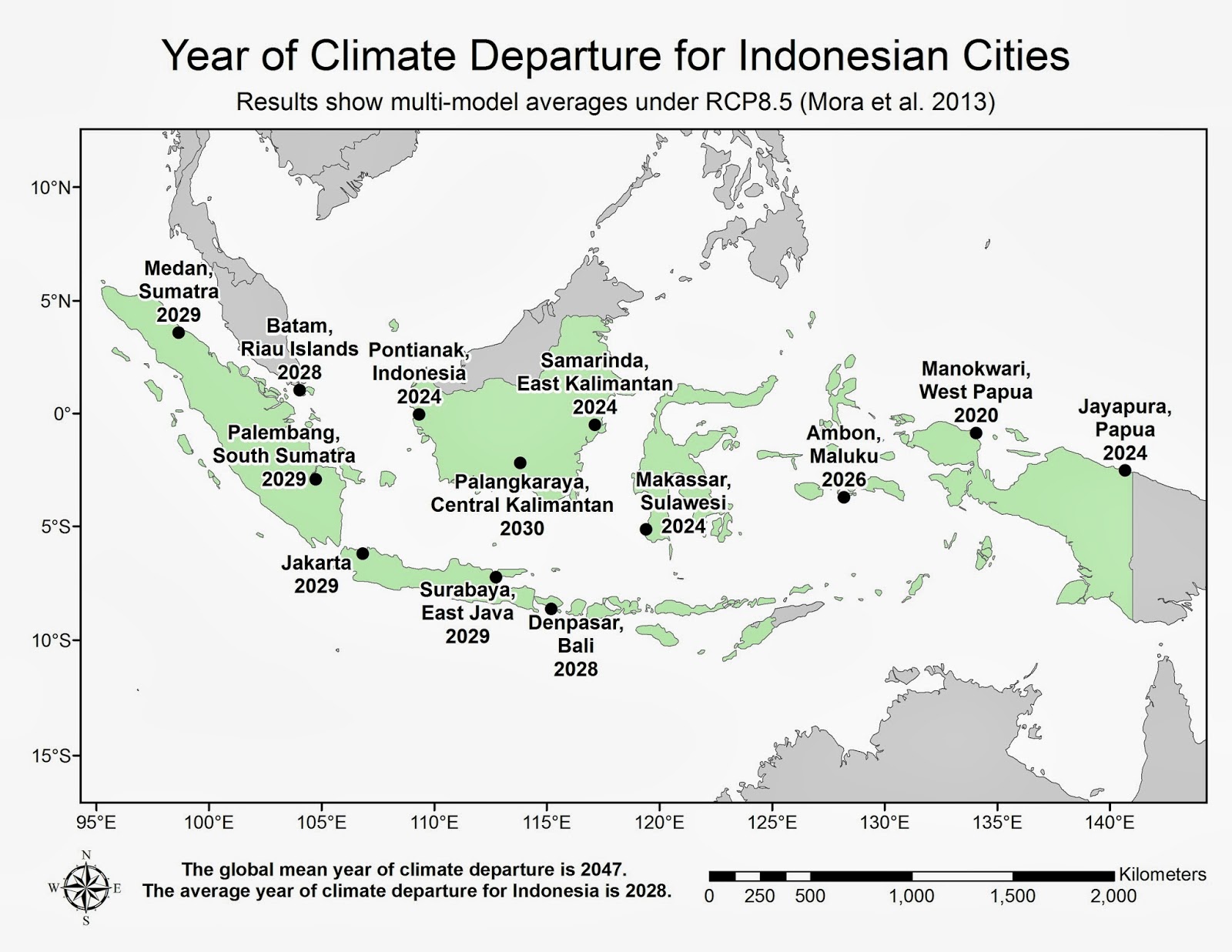
Scientists warn that rising global temperatures may push average highs up by 1‑2°C over the next few decades. Residents in already hot urban areas could see longer periods without rain and more frequent heatwaves. While the exact impact on each island varies, it’s reasonable to expect slightly hotter and more humid conditions, especially during the dry season.
Bottom Line
Indonesia’s heat is a nuanced topic. Coastal cities regularly flirt with the mid‑30s Celsius, mountain towns stay comfortably cooler, and the timing of the hottest months aligns with the dry season. Understanding these patterns helps you pack smarter, plan activities wisely, and stay comfortable whether you’re strolling through Jakarta’s bustling streets or relaxing on a beach in Lombok.