How Huawei and SMIC Are Shaping China’s Chip Industry Future
When you think of the global semiconductor race, the names that usually pop up are TSMC, Intel or Samsung. Yet, tucked behind the headlines, two Chinese giants—Huawei and Semiconductor Manufacturing International Corp (SMIC)—are quietly building a domestic powerhouse that could rewrite the rules. Their story isn’t just about technology; it’s about geopolitics, supply‑chain resilience and a long‑term vision that blends ambition with pragmatism.
The Strategic Backdrop
China’s push for self‑sufficiency in chips started long before the recent trade frictions. The Made in China 2025 plan earmarked semiconductor independence as a national priority, and both Huawei and SMIC received substantial policy support. For Huawei, the focus has always been on designing advanced SoCs for its 5G and AI‑driven devices. SMIC, on the other hand, provides the manufacturing backbone, gradually climbing the process‑node ladder from 28 nm toward the coveted sub‑10 nm range.
Huawei’s Design Edge
Huawei’s Kirin line, especially the Kirin 9000 series, demonstrated that a Chinese fab‑less company could rival the world's best. Even after the U.S. export restrictions in 2020, the firm kept innovating:
- In‑house R&D: billions invested in AI‑optimized architectures.
- Modular design: flexibility to adapt to whatever process node SMIC can offer.
- Ecosystem partnerships: collaborations with local software firms to tailor firmware for Chinese networks.
These moves have turned a setback into a catalyst, forcing Huawei to deepen its ties with domestic foundries and to explore alternative packaging technologies like 2.5‑D interposers.
SMIC’s Manufacturing Journey
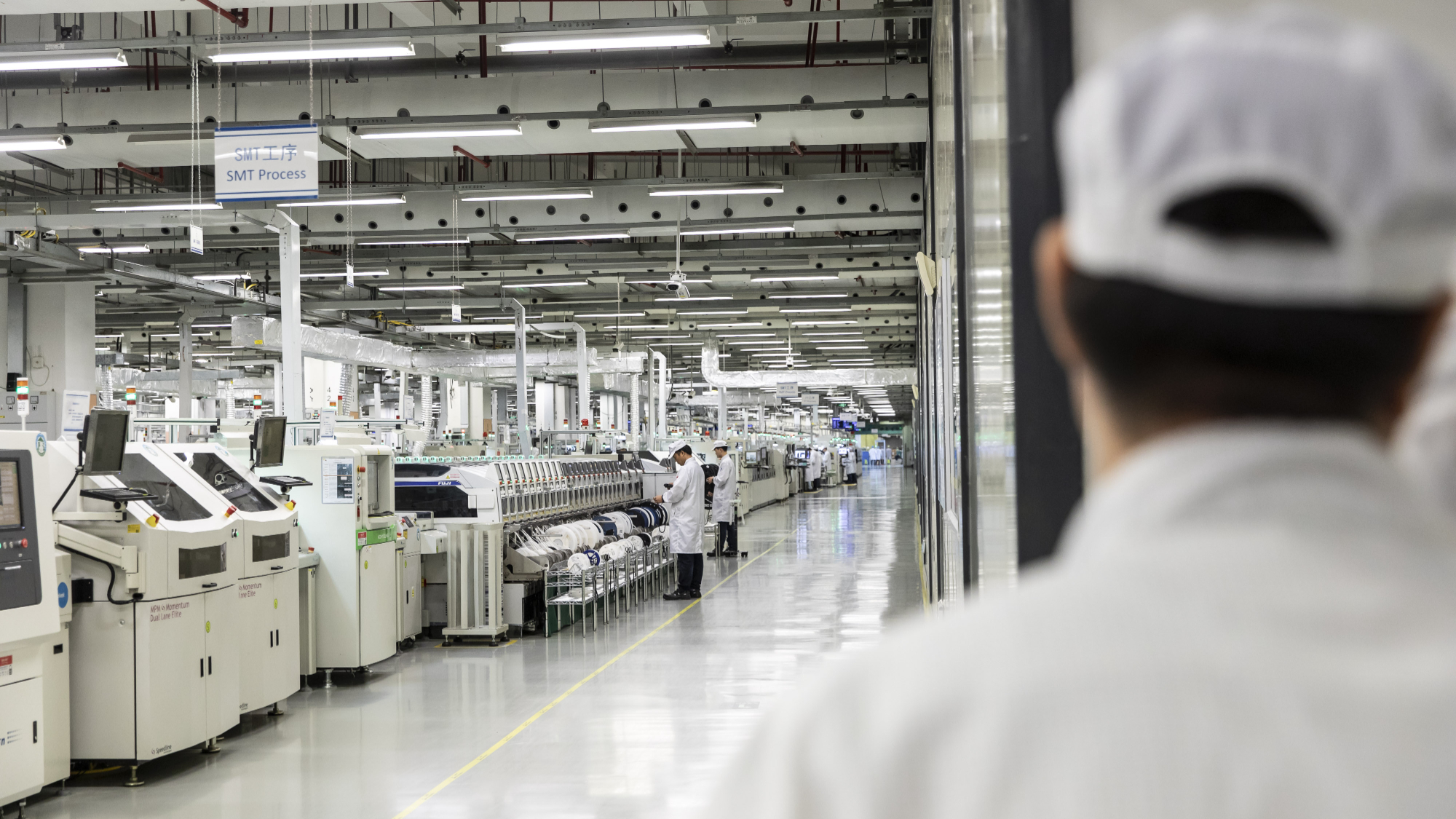
SMIC’s trajectory has been less linear but no less impressive. The company began as a modest contract manufacturer, yet today it operates eight fabs across mainland China and a joint‑venture in Singapore. Highlights include:
- 28 nm to 14 nm: steady node shrinkage, with 14 nm FinFET in mass production.
- Equipment upgrades: strategic purchases of EUV‑compatible lithography tools from non‑U.S. suppliers.
- Talent pipeline: partnerships with top Chinese universities to train a new generation of process engineers.
While still a step behind the industry's leading edge, SMIC’s progress narrows the gap enough to make a tangible difference for Huawei’s roadmap.
Collaboration in Practice
The partnership isn’t just a loose affiliation; it’s an integrated workflow. A typical chip development cycle now looks like this:
- Huawei defines the architecture and performance targets.
- SMIC assesses feasibility, adjusting the layout to match its current node capabilities.
- Both parties iterate on thermal, power and yield simulations.
- Final silicon is produced, packaged and tested under joint quality‑control protocols.
This loop reduces the classic “design‑to‑fab” lag that plagues many international collaborations, where misaligned expectations can add months or even years to time‑to‑market.
External Pressures and Opportunities
International sanctions have forced both companies to think creatively. Restrictions on advanced lithography equipment, for example, pushed SMIC to explore alternate sources in Europe and Japan. Meanwhile, Huawei’s shift toward “soft” technologies—cloud services, AI software, and IoT platforms—helps diversify revenue while its chip initiatives mature.
At the same time, the global chip shortage has opened doors. Multinational foundries, stretched thin, are increasingly willing to allocate capacity to reliable partners. SMIC’s growing track record gives it leverage to secure such slots, which in turn feeds Huawei’s design pipeline.
Challenges Still Looming
Even with momentum, several hurdles remain:
- Node parity: Reaching 7 nm or below still requires equipment that is largely controlled by a few Western firms.
- Supply chain fragility: Raw materials like high‑purity silicon wafers remain globally sourced.
- Talent retention: Competition for skilled engineers is fierce, and brain‑drain to overseas labs persists.
Addressing these issues will likely involve a mix of state subsidies, strategic alliances, and perhaps a new wave of domestic equipment manufacturers.
What This Means for the Global Market
For consumers and investors outside China, the rise of Huawei‑SMIC synergy signals a more diversified semiconductor landscape. It could alleviate some of the pressure on the traditional “foundry duopoly” of TSMC and Samsung, potentially leading to more competitive pricing and innovation spillovers.
However, the pace of progress will be uneven. Expect a gradual increase in the share of Chinese‑designed chips fabricated domestically, rather than an overnight takeover. In the meantime, companies worldwide will keep watching how Huawei’s design ingenuity meshes with SMIC’s manufacturing resilience.
Looking Ahead
The next few years will be a litmus test. Will SMIC push into true sub‑10 nm production? Can Huawei sustain its design leadership without access to the latest EDA tools? Answers will likely emerge from a combination of policy support, clever engineering workarounds, and perhaps most importantly—a willingness to accept that the path to chip sovereignty is as much about gradual improvement as it is about breakthrough leaps.