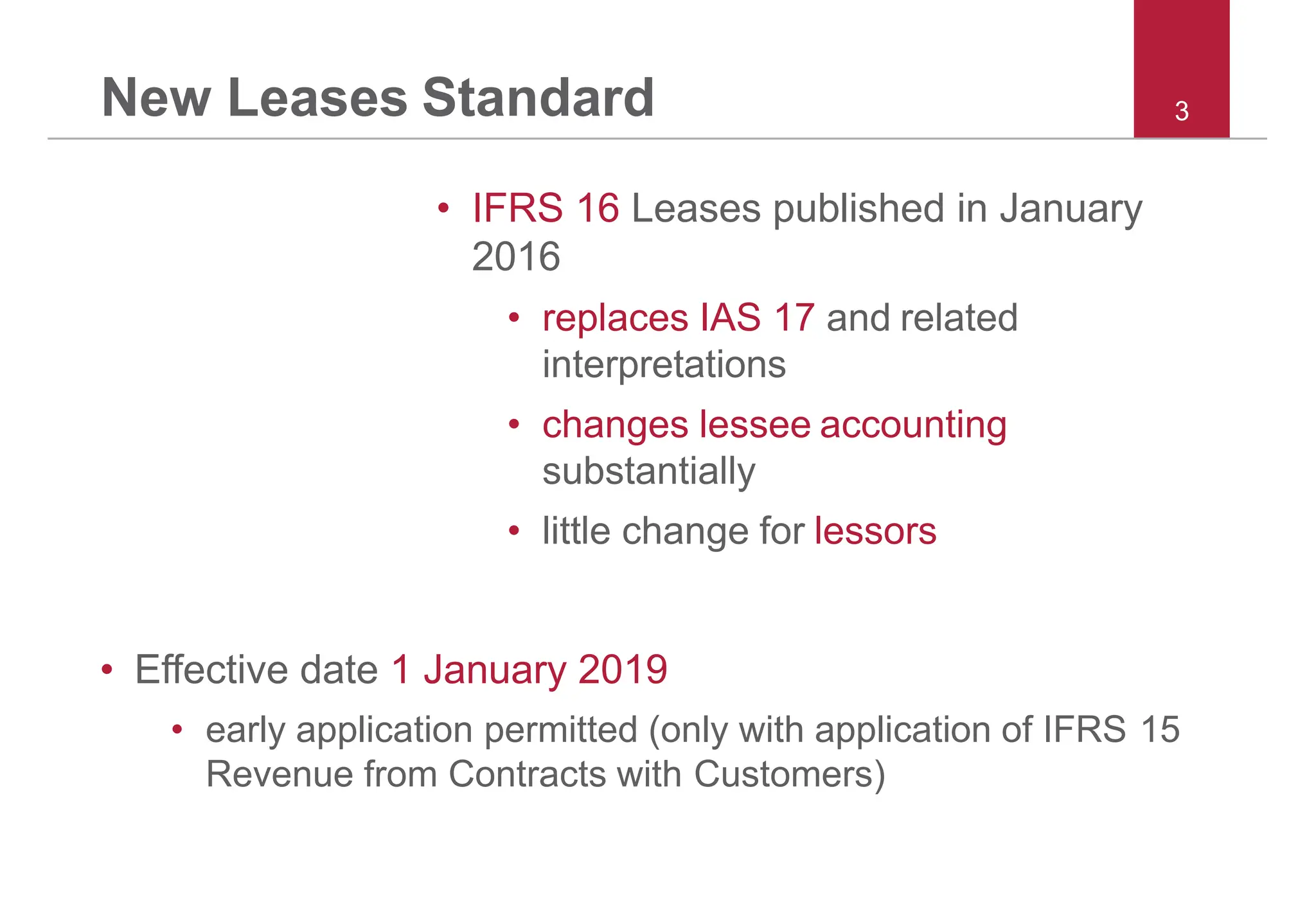
How IFRS 16 Transforms Lease Accounting for Modern Businesses
When a company signs a lease, the way it reports that arrangement on its financial statements used to be split between operating and finance leases, each with its own set of rules. Since the International Accounting Standards Board introduced IFRS 16, that split has essentially vanished. Today, most leases appear on the balance sheet, reshaping key ratios, cash‑flow analysis, and even strategic decisions about office space or equipment.
What IFRS 16 Actually Says
At its core, IFRS 16 requires lessees to recognise a right‑of‑use (ROU) asset and a corresponding lease liability for virtually every lease lasting more than 12 months. The only exceptions are short‑term leases and leases of low‑value assets, which can still be expensed straight away.
The standard defines a lease as “a contract that conveys the right to control the use of an identified asset for a period of time in exchange for consideration.” That definition sounds academic, but it boils down to a simple test: if the lessee can decide how and when to use the asset, the contract is likely a lease under IFRS 16.
Key Numbers That Change
Recognising assets and liabilities where none existed before flips several financial metrics on their head:
- Debt‑to‑Equity Ratio: Lease liabilities are added to debt, often inflating leverage ratios.
- EBITDA: Because lease expense is split into depreciation and interest, EBITDA typically rises.
- Cash‑Flow Statement: Operating cash flow improves (lease payments move to financing activities), while investing cash flow stays relatively untouched.
These shifts can affect everything from loan covenants to how investors perceive a company’s risk profile. That’s why CFOs now spend significant time modelling the impact before signing a new lease.
Steps to Implement IFRS 16
Transitioning isn’t just a spreadsheet tweak; it’s a project that touches procurement, IT, and finance. A practical rollout often follows these stages:
1. Identify All Lease Contracts
Start with a broad sweep: review contracts for real estate, vehicles, equipment, and even software licences that might meet the definition. Many organisations discover hidden leases in service agreements.
2. Gather Data for Measurement
Key inputs include the lease term, payment schedule, discount rate, and any renewal or termination options. If a contract includes variable payments tied to usage, estimate them based on historical data.
3. Choose a Transition Approach
IFRS 16 offers three methods:
- Full Retrospective: Restate prior periods as if IFRS 16 had always applied.
- Modified Retrospective (Cumulative Adjustment): Adjust opening retained earnings in the first year of adoption.
- Fair Value Approach: Use fair value of the leased asset at transition—rare but useful for complex arrangements.
Most companies opt for the modified retrospective approach because it’s less disruptive to historic comparatives.
4. Record the Initial Measurement
Calculate the present value of lease payments using the lessee’s incremental borrowing rate (or the rate implicit in the lease, if known). That figure becomes both the lease liability and the ROU asset, the latter adjusted for any prepaid or accrued expenses.
5. Ongoing Accounting
After the first day, the ROU asset depreciates—usually straight‑line—while the lease liability is unwound with interest expense. The total expense reported in profit or loss remains similar to the old operating‑lease charge, but the presentation differs.
Common Pitfalls and How to Avoid Them
Even after the initial set‑up, teams stumble over a few recurring issues:
- Incorrect Discount Rate: Using the company’s average cost of capital instead of the incremental borrowing rate can skew liability values.
- Missing Renewal Options: Ignoring a likely extension can underestimate the lease term, leading to under‑reported liabilities.
- Variable Payments: Treating usage‑based fees as non‑lease components when they actually form part of the lease consideration.
- Systems Integration: Failure to align ERP modules with the new lease data results in duplicate entries or reconciliation headaches.
A practical tip is to run a “dual‑run” for a quarter: keep parallel books under the old standard and IFRS 16, then compare outputs. Discrepancies usually point to one of the above gaps.
Strategic Implications Beyond the Numbers
Once the balance sheet reflects all lease obligations, the strategic conversation changes. Companies might reconsider:
- Whether to lease or buy high‑value equipment.
- How to structure lease terms to align with cash‑flow cycles.
- Renegotiating existing leases to include purchase options, thereby converting a liability into an owned asset.
In some sectors—retail, aviation, logistics—the shift has even prompted firms to consolidate locations or negotiate longer‑term contracts to smooth out liability spikes.
Tools and Resources That Help
Modern ERP systems now include dedicated lease‑accounting modules, but many firms still rely on specialised software. When evaluating options, look for:
- Automated data extraction from contracts.
- Built‑in discount‑rate calculators.
- Reporting dashboards that show the impact on key ratios in real time.
Training is equally important. A short workshop for procurement and finance staff on the definition of a lease can prevent future misclassifications.
Final Thoughts
IFRS 16 isn’t just a compliance checkbox; it reshapes how businesses view the cost of using assets. By bringing lease obligations onto the balance sheet, the standard forces a more transparent discussion about financing choices, risk exposure, and operational efficiency. For companies willing to invest in proper data collection and system upgrades, the payoff is a clearer picture of true economic leverage—and the ability to make smarter, data‑driven decisions about the assets they need.