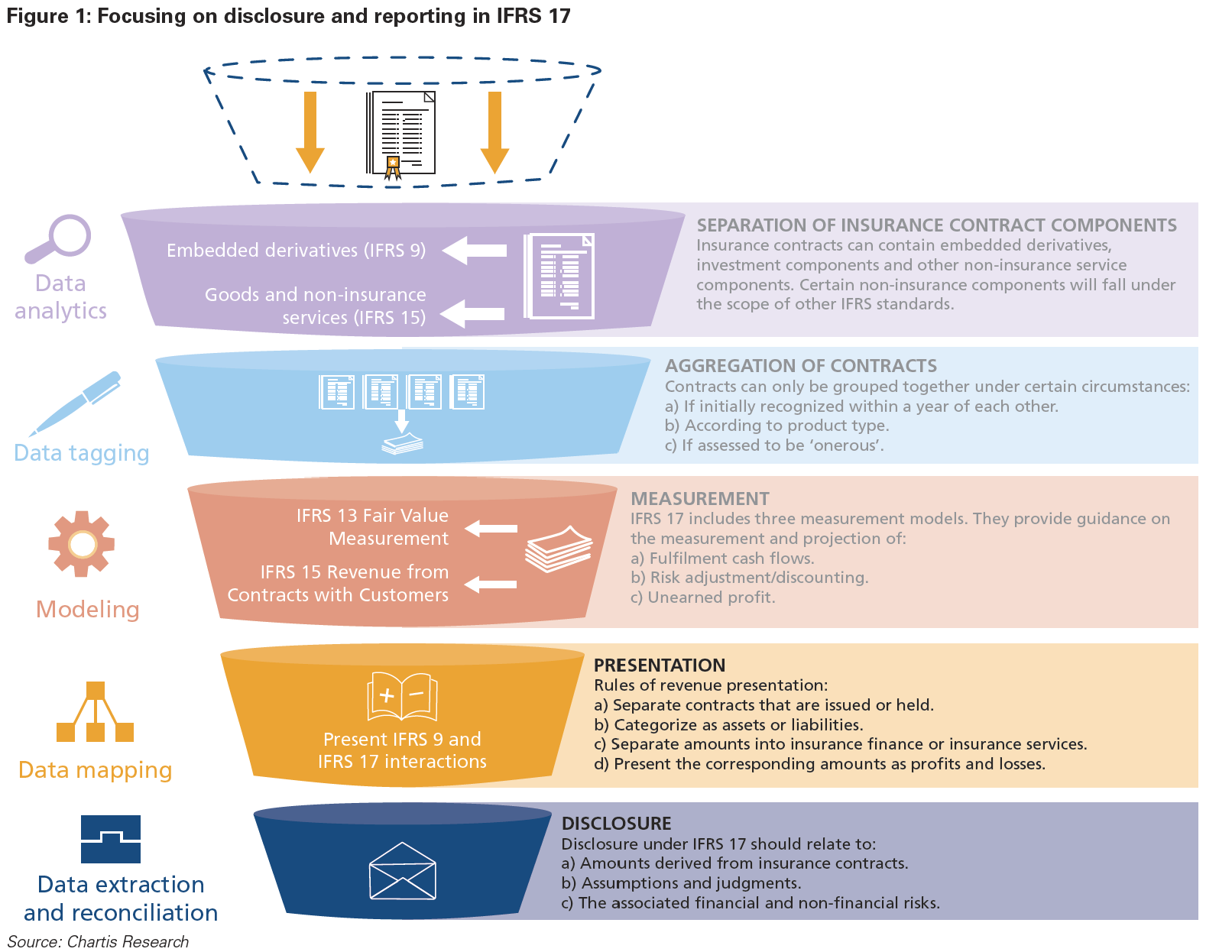
How IFRS 17 Transforms Insurance Revenue Recognition
When IFRS 17 arrived on the scene, it felt a bit like a fresh coat of paint on a familiar wall—everything looked the same at first glance, but the underlying texture had changed. For insurers, the shift is far more than cosmetic; it reshapes how revenue is measured, presented, and ultimately understood by investors and regulators.
Why IFRS 17 Matters for Revenue
Under the previous IFRS 4 framework, insurers often recognized revenue when premiums were received, regardless of the timing of the underlying risk. This “cash‑in” approach left room for significant variability in reported earnings, especially for long‑term contracts.
IFRS 17 replaces that with a model that ties revenue to the service provided over the contract’s life. In practice, this means:
- Premiums are no longer pure revenue. They become part of a “contractual service margin” that is released gradually.
- Revenue reflects the insurer’s fulfillment cash flows. Only the portion that actually represents services rendered in a period shows up on the income statement.
- Risk adjustment is built in. The standard forces companies to estimate the compensation required for bearing uncertainty, which influences the timing of revenue recognition.
Key Components of the New Model
1. Contractual Service Margin (CSM)
The CSM is the heart of IFRS 17’s revenue logic. Think of it as a reserve that holds the profit yet to be earned. Each reporting period, insurers amortize a slice of this margin, turning it into revenue. The amount amortized depends on the expected pattern of services—often mirroring the cash‑flow timeline of claims and expenses.
2. Fulfilment Cash Flows
These are the present‑value estimates of all future cash inflows (premiums) and outflows (claims, expenses, and the risk adjustment). By discounting them, the standard aligns revenue with the time value of money, a nuance that was largely missing before.
3. Risk Adjustment for Non‑Financial Risk
Beyond simple discounting, IFRS 17 requires a separate risk adjustment to reflect the uncertainty of future cash flows. This adjustment does not appear directly as revenue, but it influences the CSM and, consequently, the amount of revenue recognized.
Practical Impacts on Financial Statements
Switching to IFRS 17 produces several noticeable changes in the way insurers present their results:
- More stable earnings. Since revenue now tracks service delivery, earnings become less volatile and more predictive.
- Greater transparency. Stakeholders can see the separate components—CSM, risk adjustment, and fulfilment cash flows—making it easier to assess profitability.
- Potentially lower short‑term profit. Early periods may show reduced revenue because much of the premium is locked in the CSM rather than being booked immediately.
Challenges Companies Face
Adopting IFRS 17 isn’t just a matter of flipping a switch. Insurers grapple with:
- Data intensity. Accurate cash‑flow forecasts require granular policy‑level data that many firms didn’t previously collect.
- System upgrades. Legacy actuarial platforms often need major overhauls to calculate CSM and risk adjustments in line with the new standard.
- Skill gaps. Actuaries and finance teams must understand both the technical calculations and the narrative implications for investors.
Tips for a Smoother Transition
If your organization is still wrestling with the rollout, consider these practical steps:
- Start with a pilot. Select a representative product line, run the IFRS 17 calculations end‑to‑end, and use the insights to refine data extraction and modeling.
- Invest in modular technology. Solutions that separate data, calculation, and reporting layers make future updates—regulatory or business‑driven—less painful.
- Communicate early and often. Explain to analysts why earnings may dip initially; framing the change as a move toward greater consistency builds trust.
What This Means for Stakeholders
Investors, regulators, and even policyholders stand to gain from the clearer picture IFRS 17 paints. While the learning curve is steep, the end result is a set of financial statements that better reflect the economics of insurance contracts. In the long run, that alignment can lead to more accurate pricing, better risk management, and, ultimately, a healthier industry.