How Immersion Cooling Is Changing Alibaba Cloud Data Centers
When you picture a modern data center, the image that often pops up is rows of servers humming under a sea of white‑cooling fans. That mental picture is shifting fast, thanks to a technology that literally submerges hardware in a non‑conductive liquid. Alibaba Cloud’s push into immersion cooling isn’t just a cool gimmick—it’s reshaping how massive computing facilities manage heat, energy, and space.
What Is Immersion Cooling, Anyway?
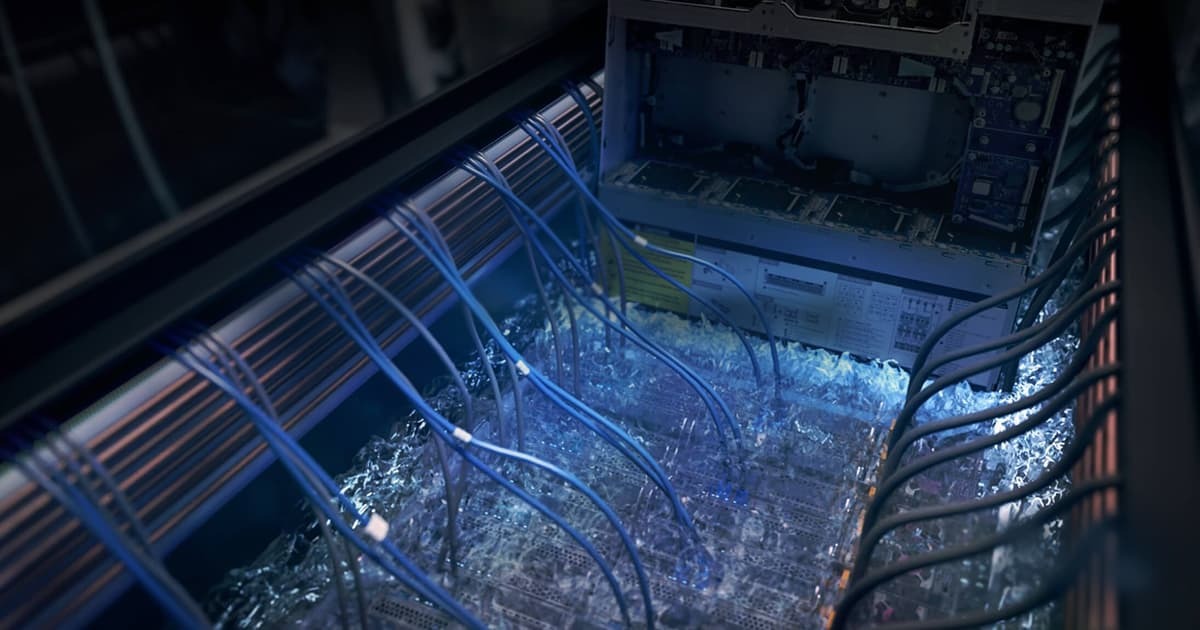
At its core, immersion cooling involves placing servers directly into a specially formulated dielectric fluid. The liquid absorbs heat from every component, then carries it away without the need for traditional air‑flow or massive HVAC systems. Think of it as a bathtub for CPUs, but one that never needs a towel.
- Direct contact. The fluid touches the chips, memory modules, and even the power supplies, capturing heat at the source.
- No fans. With the fluid doing the heavy lifting, the noisy, power‑hungry fans become optional.
- Recycling heat. The warmed liquid can be routed to heat‑exchange units, turning waste into usable warmth for buildings or industrial processes.
Why Alibaba Cloud Is Betting on This Technology
Alibaba Cloud isn’t chasing a tech trend for the sake of headlines. The decision stems from three practical pressures that all large‑scale operators feel:
1. Energy Costs Are Ballooning
Cooling accounts for up to 40 % of a data center’s electricity bill. By swapping out fans for a fluid loop, the power draw drops dramatically. Alibaba reported up to a 30 % reduction in total energy consumption for pilot sites using immersion cooling.
2. Environmental Regulations Are Tightening
Governments worldwide are imposing stricter limits on carbon emissions. Immersion cooling’s higher efficiency translates directly into lower CO₂ output, helping Alibaba meet both local mandates and its own sustainability pledges.
3. Space Is at a Premium
Traditional racks need ample clearance for airflow. Submerged servers can be packed tighter, sometimes achieving a 25 % increase in compute density. For Alibaba’s mega‑facilities in Shenzhen and Hangzhou, that means more virtual machines per square foot without expanding the building footprint.
How The System Works In Practice
The immersion setup Alibaba Cloud uses follows a fairly standardized flow, though each phase is fine‑tuned for the company’s scale:
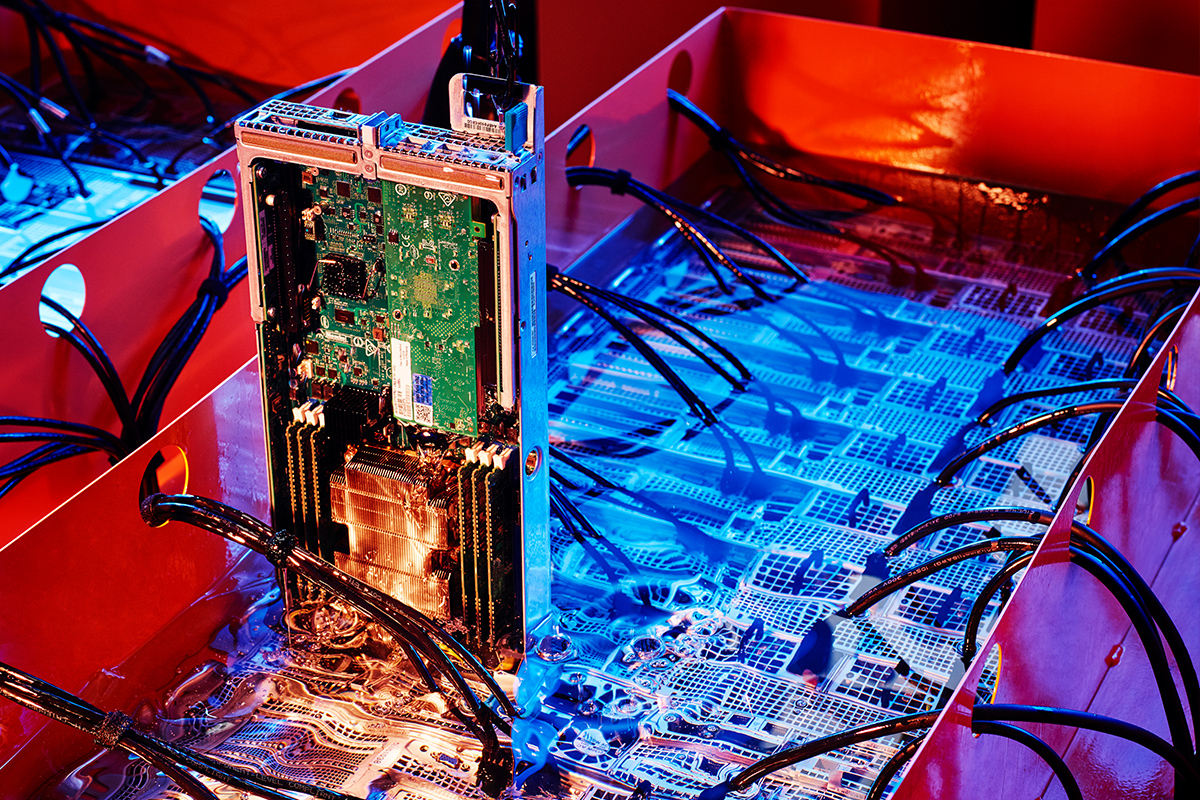
- Server preparation. Off‑the‑shelf blades are stripped of fans and fitted with seals to keep the fluid out of sensitive areas.
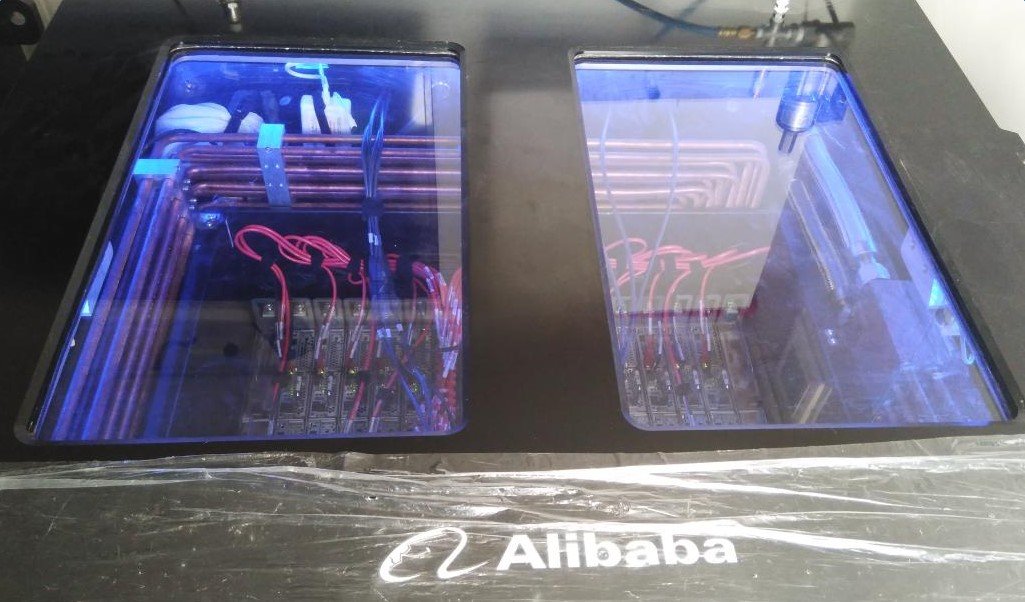
- Tank filling. Servers are lowered into a stainless‑steel tank filled with a dielectric fluid—often a synthetic oil or fluorocarbon mixture.
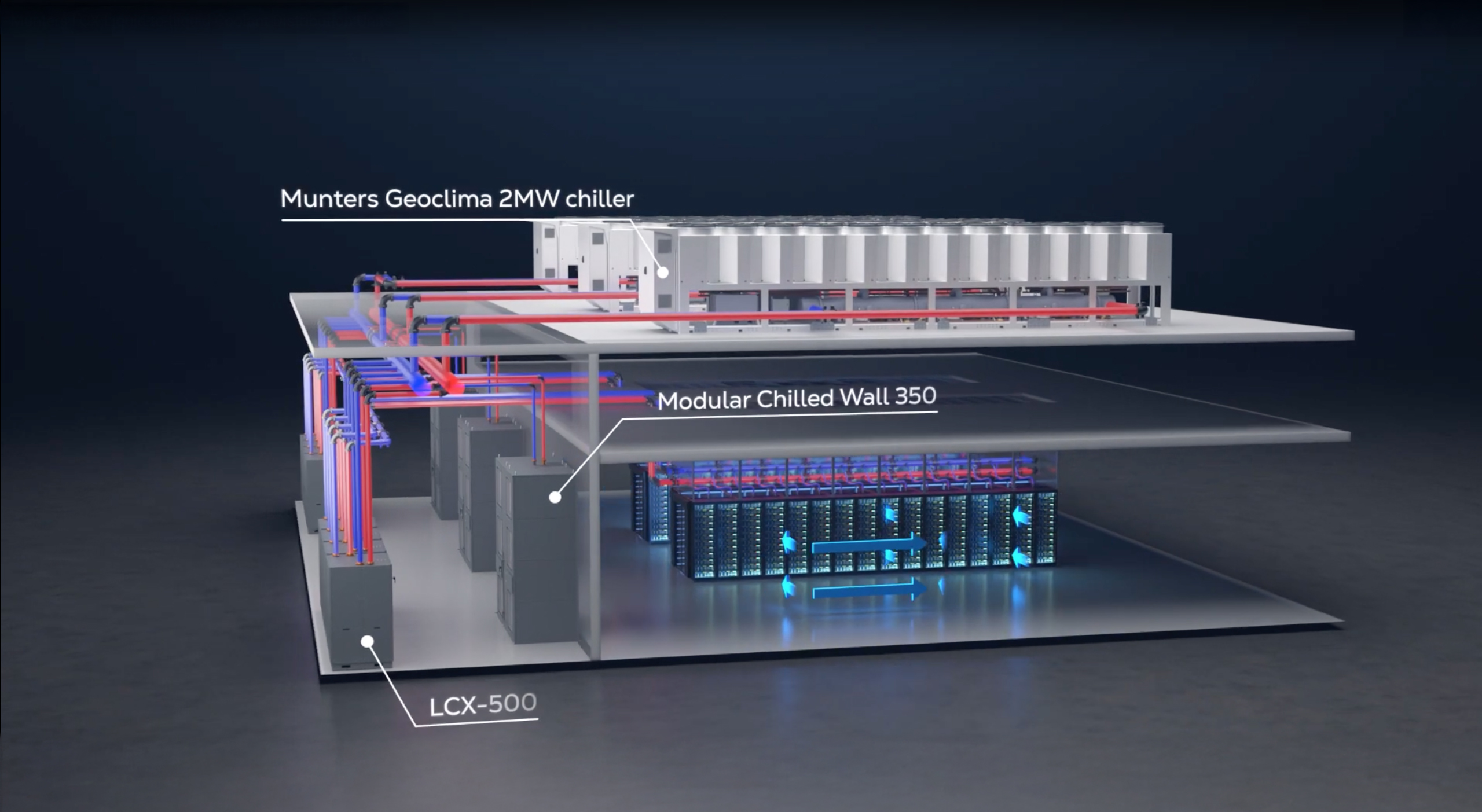
- Heat extraction. Warmed fluid circulates to external heat exchangers, where chilled water or air removes the heat before the fluid returns to the tank.
- Monitoring. Sensors track temperature, fluid quality, and flow rates, feeding data into Alibaba’s AI‑driven management platform for real‑time adjustments.
Because the fluid itself is non‑conductive, the risk of short‑circuiting is negligible, allowing Alibaba to push hardware closer to its thermal limits safely.
Real‑World Benefits Observed So Far
Since rolling out immersion cooling in a handful of regional hubs, Alibaba Cloud has logged tangible improvements:
- Energy savings: Up to 30 % less power used for cooling.
- Performance gains: Servers run cooler, enabling higher clock speeds and longer uptimes.
- Operational simplicity: Fewer moving parts mean less mechanical failure and lower maintenance overhead.
- Carbon footprint reduction: Approximate 15 % drop in CO₂ emissions per megawatt‑hour of compute.
Clients who migrated workloads to these cooled zones report smoother performance during peak traffic spikes—an especially valuable perk for e‑commerce surges during events like Singles’ Day.
Challenges And Considerations
No technology is a silver bullet. Immersion cooling introduces its own set of hurdles that Alibaba Cloud has to navigate carefully.
Fluid Management
The dielectric liquid isn’t cheap, and it degrades over time. Alibaba runs a rigorous filtration and replenishment schedule, but the logistics of handling large volumes remain a cost factor.
Hardware Compatibility
While many server designs can be retrofitted, some components—especially certain power supplies—still struggle with the fluid environment. Alibaba works closely with OEMs to certify equipment, but the ecosystem is not yet universal.
Initial Capital Outlay
Setting up immersion tanks and the associated plumbing requires a sizable upfront investment. For smaller operators, the payback period can stretch beyond three years, making the model more attractive for Alibaba’s massive scale.
What This Means For The Future of Cloud Computing
Immersion cooling isn’t just a niche solution for high‑performance computing labs; it’s becoming a viable mainstream option for cloud providers aiming to balance cost, performance, and sustainability. Alibaba Cloud’s early adoption sends a clear signal: the era of “air‑cooled” data centers may be winding down.
Looking ahead, expect to see a few trends accelerate:
- More AI‑optimized cooling algorithms that predict hot spots before they happen.
- Integration of heat‑reuse schemes, where warm fluid powers district heating for nearby offices or residential blocks.
- Broader industry standards for fluid composition, safety, and recycling, making it easier for smaller players to join the movement.
For businesses that depend on Alibaba Cloud’s services, the shift could translate into lower latency, higher reliability, and—ultimately—more environmentally conscious operations. It’s a win‑win that’s hard to ignore.