How India’s Nuclear Submarines Are Shaping Naval Power Today
Why the Topic Matters
When you think of maritime deterrence, the image that often comes to mind is a sleek, silent predator prowling beneath the waves. For India, that predator is not just a symbol—it’s a cornerstone of a strategy that balances regional ambitions with global responsibilities. Understanding the current fleet, upcoming projects, and the strategic logic behind them helps make sense of the Indian Ocean’s evolving security landscape.
The Core of the Fleet: Current Operational Submarines
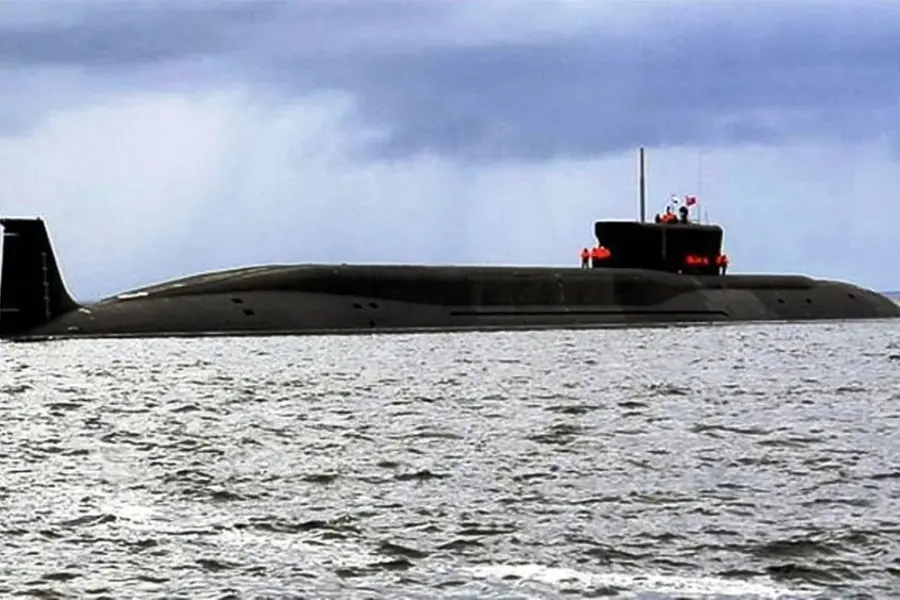
India’s nuclear‑powered submarine force is small but potent. At present, two classes dominate the scene:
- INS Arihant (SSBN) – the nation’s first indigenous ballistic‑missile submarine, capable of carrying 12–16 K-15 or K-4 missiles.
- INS Chakra (SSBN) – a Russian‑built Akula‑I that was leased in 2012 and later upgraded, providing an experienced platform for crew training and tactical drills.
Both vessels operate out of the Eastern Naval Command, primarily from Visakhapatnam, allowing rapid access to the Bay of Bengal and beyond.
Strategic Rationale: Deterrence, Credibility, and Reach
India’s nuclear doctrine emphasizes a no‑first‑use policy, but it also calls for a credible second‑strike capability. Nuclear submarines fulfill that role because they can remain hidden for months, making any pre‑emptive strike by an adversary exceedingly risky.
Beyond deterrence, these vessels give New Delhi a bargaining chip in diplomatic talks, especially with neighboring powers that are expanding their own under‑sea arsenals. The mere presence of a survivable sea‑based deterrent can shift negotiations from “what if” to “how we can avoid escalation.”
Upcoming Projects: The Next Generation
India isn’t content with a two‑boat fleet. Three major programs are in motion:
1. Project 75 Alpha – Six New Attack Submarines
This initiative aims to add six conventional‑propulsion attack submarines (SSKs) equipped with air‑independent propulsion (AIP). While not nuclear‑powered, they will work hand‑in‑hand with the SSBNs to protect sea lanes and provide early warning of hostile activity.
2. Indigenous Scorpène‑Class Variants
Built under the “Make in India” umbrella, these diesel‑electric submarines are being customized with modern sonar suites and vertical launch systems. They represent a bridge between current capabilities and future nuclear platforms.
3. The Future SSBN – A Blueprint for the 2030s
Naval planners have already sketched a larger, quieter SSBN that could carry up to 24 strategic missiles, possibly incorporating a mixed payload of submarine‑launched ballistic missiles (SLBMs) and cruise missiles. The design emphasizes modular construction, allowing upgrades without a full‑scale refit.
Challenges on the Road Ahead
Building a credible nuclear submarine force is no small feat. India faces several hurdles:
- Technology Transfer – Working with foreign partners brings expertise, but also complex licensing and export‑control issues.
- Industrial Base – Domestic shipyards must scale up to meet the precision engineering required for pressure hulls and reactor compartments.
- Budget Constraints – Submarines are among the most expensive defense projects; financing must be balanced against other security priorities.
Still, the government’s commitment to a “strategic autonomy” agenda means these obstacles are being tackled with a mix of public‑private partnerships and incremental investment.
Operational Doctrine: How the Submarines Are Used
Unlike surface fleets, nuclear submarines operate in a “silent service” mode. Their typical deployment cycle includes:
- Extended patrols lasting 70–90 days, during which the crew conducts stealth navigation and missile system checks.
- Periodic surfacing for communication with the Naval Headquarters via encrypted satellite links.
- Joint exercises with allies—most recently with the United States and Japan—to test interoperability and share tactical insights.
This routine ensures that the vessels remain combat‑ready while also providing valuable data for future design improvements.
Impact on Regional Security Dynamics
India’s under‑sea deterrent has already prompted reactions across the Indian Ocean Region. Pakistan has accelerated its own submarine program, while China’s growing naval footprint has led to increased joint patrols between India and the United States. The subtle balance of power is now more fluid, with each side weighing the cost of escalation against the need to maintain credible defenses.
Looking Forward: What to Watch For
In the next decade, a few key indicators will reveal how India’s nuclear submarine ambitions evolve:
- Completion dates for the six Project 75 Alpha attack submarines.
- Progress on the indigenous reactor design for the next‑generation SSBN.
- International naval exercises that showcase the operational integration of new platforms.
- Legislative milestones concerning the financing and strategic oversight of the fleet.
If these milestones stay on track, India will move from a modest two‑boat deterrent to a diversified under‑sea force capable of projecting power far beyond its shoreline.