How India's Solar Power Boomed in 2023: Key Growth Trends
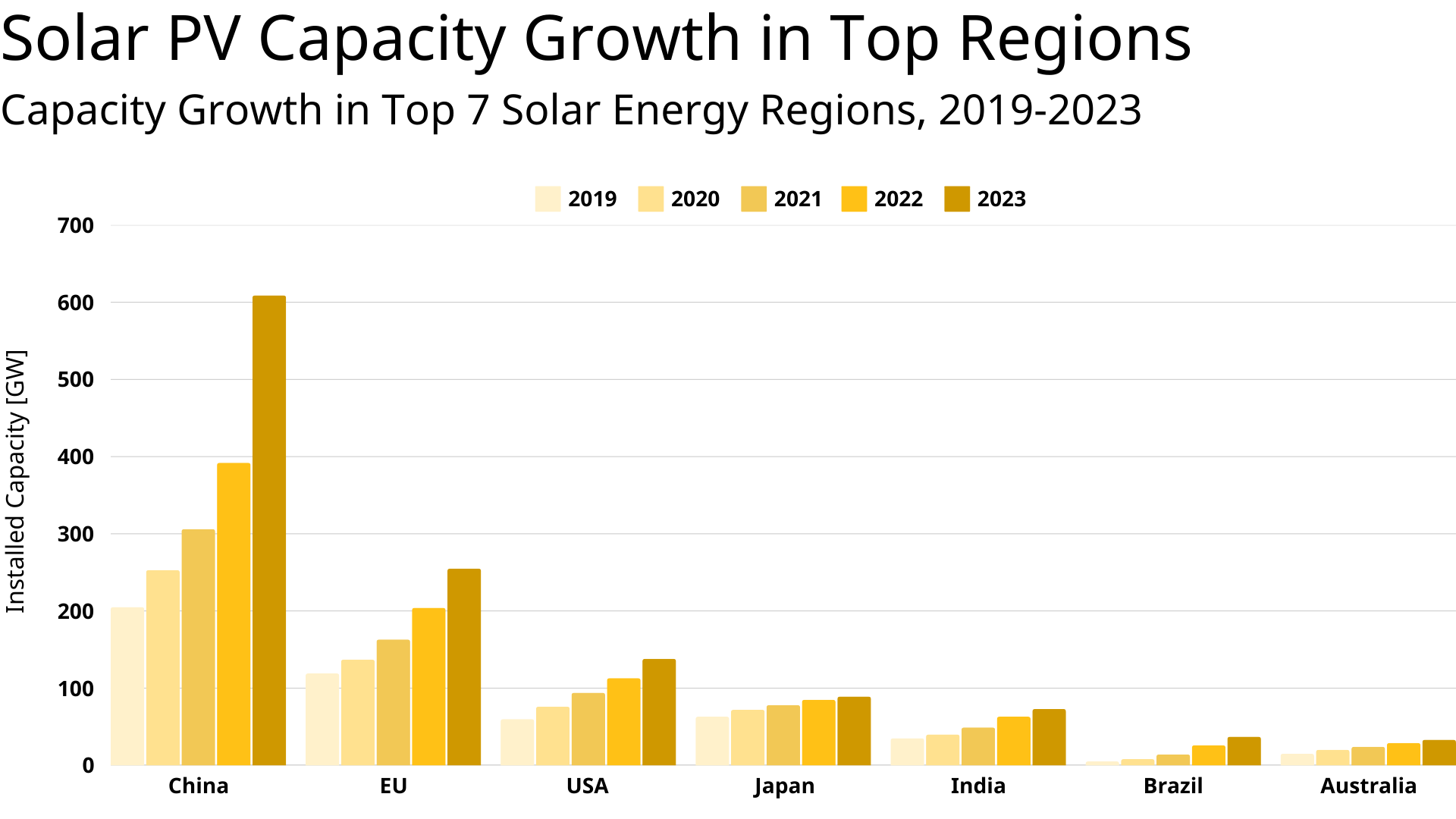
India's solar power sector in 2023 posted figures that surprised even the most optimistic analysts. By the end of the year, cumulative installed capacity crossed the 70‑gigawatt mark, a jump that dwarfed the previous year’s growth. This surge was not a flash in the pan; it reflected a confluence of policy nudges, cheaper hardware, and a rising appetite for clean energy across industries. Below we unpack the main forces that propelled the market forward and the hurdles that still need attention.
2023 Overview: Record Installations and Capacity Gains
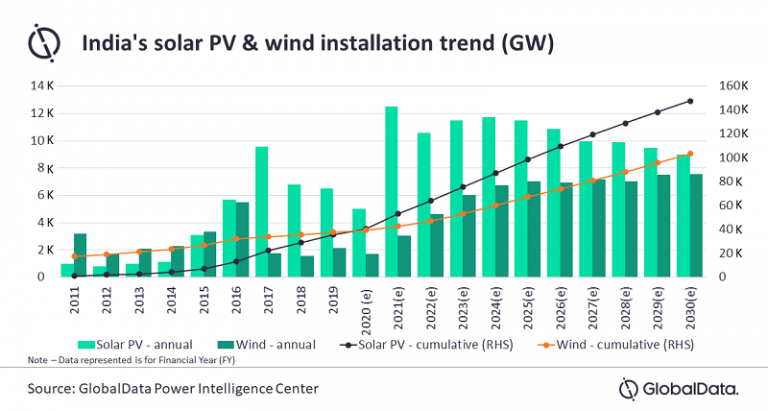
The year began with a strong pipeline of projects that had been stalled during the pandemic. Quarterly reports from the Ministry of New and Renewable Energy (MNRE) show that the nation added roughly 12 GW of solar capacity in the first half alone. By December, large‑scale solar parks in Rajasthan, Gujarat, and Karnataka accounted for about 55 % of the new additions, while rooftop installations continued to climb steadily.
In terms of generation, solar contributed close to 15 % of India’s total electricity mix, up from just 11 % in 2022. That translates into an additional 80 TWh of clean energy supplied to the grid—enough to power roughly 20 million homes for a year. The numbers signal that solar is moving from a niche supplement to a core pillar of the country’s power system.
Policy Drivers Behind the Surge
Several government initiatives created a fertile environment for investment. The most impactful was the extension of the accelerated depreciation (AD) scheme, which lets developers write off capital costs faster, improving project economics. Meanwhile, the recent revision of the Renewable Purchase Obligation (RPO) raised the mandated solar share for large consumers from 10 % to 15 % by 2025.
- Solar Parks Scheme: Central grants covered up to 30 % of land acquisition costs, encouraging states to develop ready‑to‑use sites.
- Green Energy Corridors: Upgrades to transmission networks reduced curtailment rates, meaning more generated power actually reached consumers.
- Incentives for Rooftop Solar: Net‑metering rules were standardized, giving households clearer financial returns.
Collectively, these policies trimmed the risk premium that many investors previously associated with Indian solar projects.
Financing and Investment Landscape
Domestic banks, long hesitant about renewable exposure, entered the arena in larger numbers after the Reserve Bank of India (RBI) introduced a green loan framework. By mid‑2023, green bonds issued by Indian utilities topped $2 billion, a record for the region. International capital also flowed in, with European sovereign wealth funds and Asian development banks citing India’s robust pipeline as a key attraction.
Equity financing shifted toward hybrid models that blend debt with performance‑linked incentives. Developers now often tie a portion of their revenue to the plant’s capacity factor, aligning investor returns with operational efficiency. This structure has helped mitigate the perceived volatility of solar output.
Technological Shifts: From Large‑Scale to Distributed
While utility‑scale farms still dominate, 2023 saw a noticeable uptick in distributed generation. The cost of bifacial modules fell below $0.20 per watt, making them attractive for both commercial rooftops and small‑holder farms. Moreover, advances in storage—particularly lithium‑iron‑phosphate (LFP) batteries—enabled many projects to offer firm capacity, a feature previously reserved for gas‑fired plants.
Smart inverters equipped with grid‑support functionalities such as voltage regulation and frequency response became standard in newer installations. These devices not only improve grid stability but also open the door for future ancillary service markets, where solar can earn revenue beyond mere electricity sales.
Challenges That Still Loom
Despite the impressive numbers, several obstacles could temper the sector’s momentum. Land acquisition remains a protracted process in many states, especially where agricultural concerns clash with solar park development. Additionally, grid curtailment, though reduced, still spikes during monsoon months when transmission bottlenecks arise.
- Supply Chain Vulnerabilities: Although module prices have softened, dependence on imported silicon wafers exposes the industry to geopolitical shocks.
- Financing Gaps for Small Players: Rooftop owners often struggle to secure affordable loans, limiting the segment’s expansion.
- Regulatory Uncertainty: Frequent revisions to state‑level tariffs can erode investor confidence if not communicated transparently.
Addressing these issues will require coordinated effort between the central government, state authorities, and private stakeholders.
What the Outlook Looks Like for 2024 and Beyond
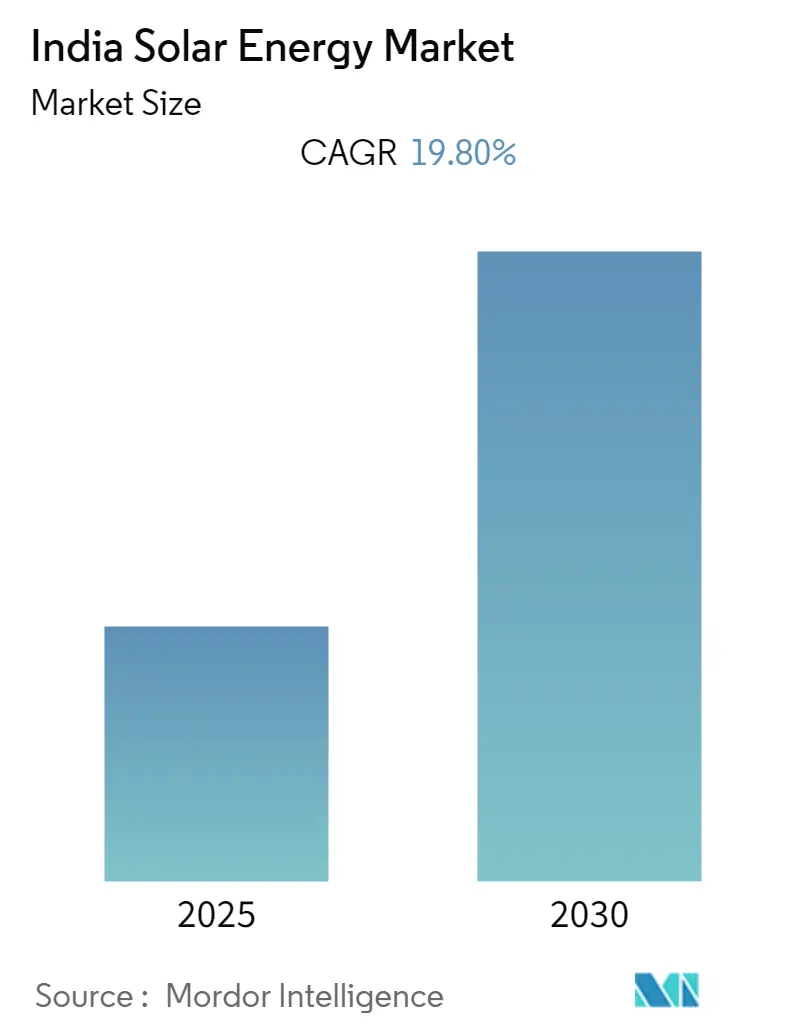
Projections from the International Energy Agency (IEA) suggest that India could reach 120 GW of solar capacity by 2030 if current policies stay on track. Early 2024 announcements hint at a new “Solar Mission 2030” that aims to double the 2023 capacity within the next seven years, with a particular focus on hybrid renewable parks that combine solar, wind, and storage.
For investors, the signal is clear: risk-adjusted returns are improving, especially in projects that incorporate storage or offer grid services. For policymakers, the challenge will be to streamline land processes and reinforce transmission upgrades to avoid bottlenecks. If these pieces fall into place, India’s solar narrative could shift from rapid growth to sustainable dominance in the global clean‑energy arena.
FAQ
- Q: How much solar capacity was added in India during 2023?
A: Roughly 12 GW of new solar capacity was installed, bringing the total to just over 70 GW by year‑end. - Q: What policy change most helped rooftop solar adoption?
A: The standardization of net‑metering rules across states clarified financial returns for homeowners, spurring wider uptake. - Q: Are there any upcoming financing schemes for small‑scale solar?
A: The RBI’s green loan framework now includes a dedicated line for residential and commercial rooftop projects, making credit more accessible. - Q: Will storage become a standard part of new solar projects?
A: Yes, as battery costs continue to fall, many developers are pairing storage with solar to provide firm capacity and unlock new revenue streams.