How Indonesia Compares to Europe: A Clear Overview
When you think of Indonesia and Europe, the first images that pop up are probably a tropical archipelago on one side and centuries‑old cobblestone streets on the other. Yet beyond the postcards lies a fascinating set of contrasts—and a few surprising similarities—that shape everything from daily life to long‑term development strategies. Let’s unpack the most telling differences and see where the two regions converge.
Geography and Climate
Indonesia stretches over more than 17,000 islands, flanked by the Indian and Pacific Oceans. Its climate is unmistakably tropical: hot, humid, and marked by a distinct wet‑and‑dry season. Europe, by contrast, spans from the icy tundra of Scandinavia to the sun‑kissed shores of the Mediterranean, offering a kaleidoscope of temperate zones.
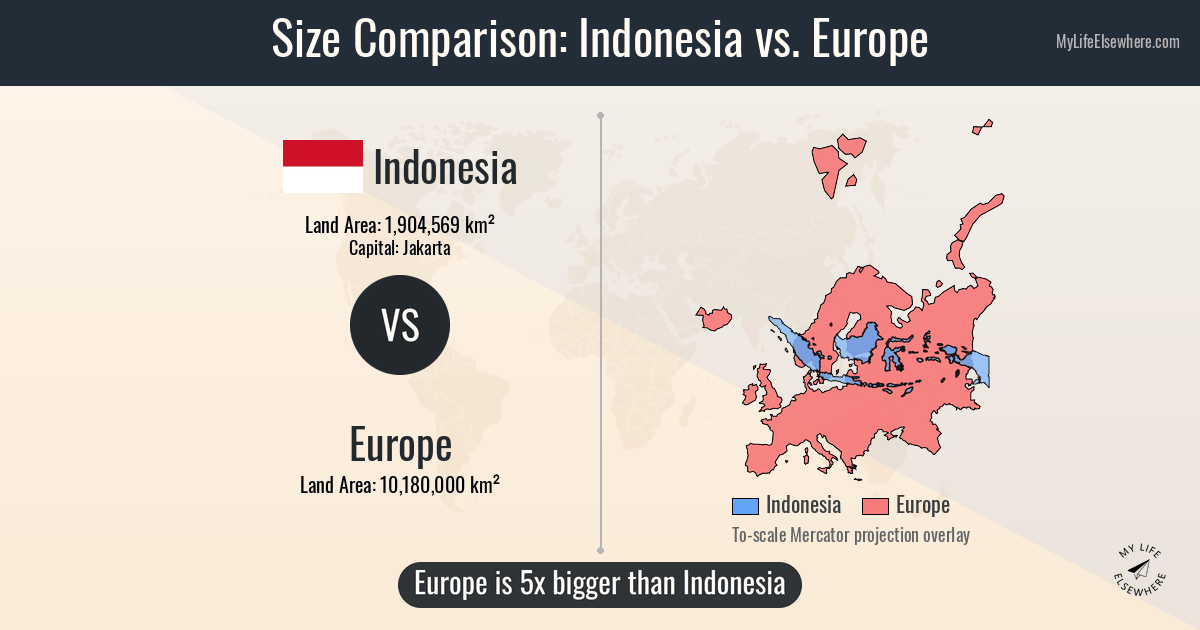
- Land area: Indonesia covers about 1.9 million km², while Europe’s landmass totals roughly 10 million km².
- Population density: Java alone houses more than 140 million people, making it one of the world’s densest regions; most European nations sit at moderate density levels, with exceptions like the Netherlands.
- Natural hazards: Indonesia sits on the Pacific Ring of Fire, experiencing frequent earthquakes and volcanic eruptions. Europe’s risks lean more toward floods and occasional seismic activity in the south.
Economic Landscape
Both regions boast diverse economies, yet the drivers differ markedly.
Indonesia’s Growth Engines
Manufacturing, especially textiles and electronics, funnels a large share of export revenue. Tourism—think Bali, Lombok, and Yogyakarta—remains a vital source of foreign exchange. Recently, digital startups have surged, with Jakarta emerging as a Southeast Asian tech hub.
Europe’s Economic Pillars
Europe’s strength lies in high‑value sectors: automotive engineering, aerospace, pharmaceuticals, and finance. The European Union’s single market also streamlines trade across 27 member states, creating economies of scale that Indonesia can only dream of.
- GDP per capita: Europe averages about $35 k, while Indonesia hovers near $4.5 k.
- Unemployment: Europe’s rates fluctuate between 4–9 % across countries; Indonesia’s official figure sits around 6 % but varies regionally.
Culture and Society
Language, religion, and social norms paint a vivid picture of each region’s identity.
Indonesia
The archipelago is home to over 700 languages, yet Bahasa Indonesia serves as the unifying tongue. Islam is the dominant faith, influencing everything from dress codes to public holidays. Family ties run deep, and communal gatherings—whether a village ceremony or a bustling market—are the norm.
Europe
Europe’s linguistic tapestry includes German, French, Spanish, Polish, and countless others. Christianity remains the historic backbone, though secularism has taken root in many countries. Social welfare models differ widely: Scandinavia embraces expansive public services, while Southern Europe leans more on private networks.
Infrastructure and Connectivity
Travel across Indonesia often means hopping between islands by ferry or short flight, whereas Europe boasts an extensive high‑speed rail network that stitches capitals together in hours. Both regions are investing heavily in digital infrastructure, yet the gap in broadband penetration is still noticeable.
- Indonesia: ~70 % internet penetration, with rapid growth in mobile broadband.
- Europe: ~85 % broadband coverage, with many nations pushing 5G rollouts.
Education and Innovation
Indonesia’s university system is expanding, but research output per capita lags behind European standards. Europe’s longstanding tradition of research institutions—think Oxford, ETH Zurich, and the Max Planck Society—continues to attract global talent.
That said, Indonesia’s start‑up ecosystem is buzzing with home‑grown solutions in fintech, agritech, and e‑commerce, showing that innovation doesn’t always need centuries of academic pedigree.
Health and Quality of Life
Life expectancy in Europe averages 81 years, bolstered by universal health coverage in many nations. Indonesia’s average hovers around 71 years, reflecting disparities between urban centers like Jakarta and remote provinces where access to medical care remains limited.
Both regions face aging populations, yet Europe’s demographic shift is more pronounced, prompting policy debates on pensions and migration. Indonesia, meanwhile, enjoys a relatively young workforce—a potential demographic dividend if education and job creation keep pace.
Environmental Challenges
Deforestation threatens Indonesia’s rainforests, while Europe wrestles with carbon emissions from industrial hubs and transport corridors. Both are signatories to the Paris Agreement, but implementation differs.
- Indonesia: Ambitious reforestation targets, yet palm‑oil expansion remains contentious.
- Europe: Aggressive renewable‑energy targets, with countries like Denmark and Germany leading wind‑power installations.
Travel Tips for the Curious Visitor
If you’re planning a trip that spans both regions, a few practical pointers can smooth the journey.
- Visas: Many European nations belong to the Schengen Area, allowing short stays with a single visa. Indonesia offers visa‑on‑arrival for many nationalities, but always double‑check the latest rules.
- Currency: Indonesia uses the rupiah (IDR); Europe generally uses the euro (EUR) in the Schengen zone, though some countries retain their own currencies.
- Health prep: Pack a basic medical kit for tropical diseases when traveling in Indonesia; Europe’s health standards are high, but travel insurance is still wise.
Bottom Line
Indonesia and Europe could not be more different in size, climate, and economic structure, yet both grapple with similar 21st‑century challenges—digital transformation, sustainable growth, and social equity. Understanding these nuances helps travelers, investors, and policymakers alike navigate a world where distance is shrinking while diversity remains the true constant.