How IPSec, EoIP, OSPF, and ESP Stack Up Against Each Other
When you’re piecing together a network, the choice of protocol can feel like a maze of acronyms. IPSec, EoIP, OSPF, and ESP each solve different problems—security, tunneling, routing, and encapsulation—yet they often appear side‑by‑side in design discussions. Below is a practical look at what each protocol brings to the table, where they overlap, and how they differ in real‑world deployments.
What Each Protocol Is Designed For
IPSec focuses on securing IP traffic. It encrypts and authenticates packets, making it a go‑to for site‑to‑site VPNs and remote‑access connections.
EoIP (Ethernet over IP) simply wraps Ethernet frames inside IP packets. It’s handy when you need to extend a LAN across a WAN without rebuilding the whole routing fabric.
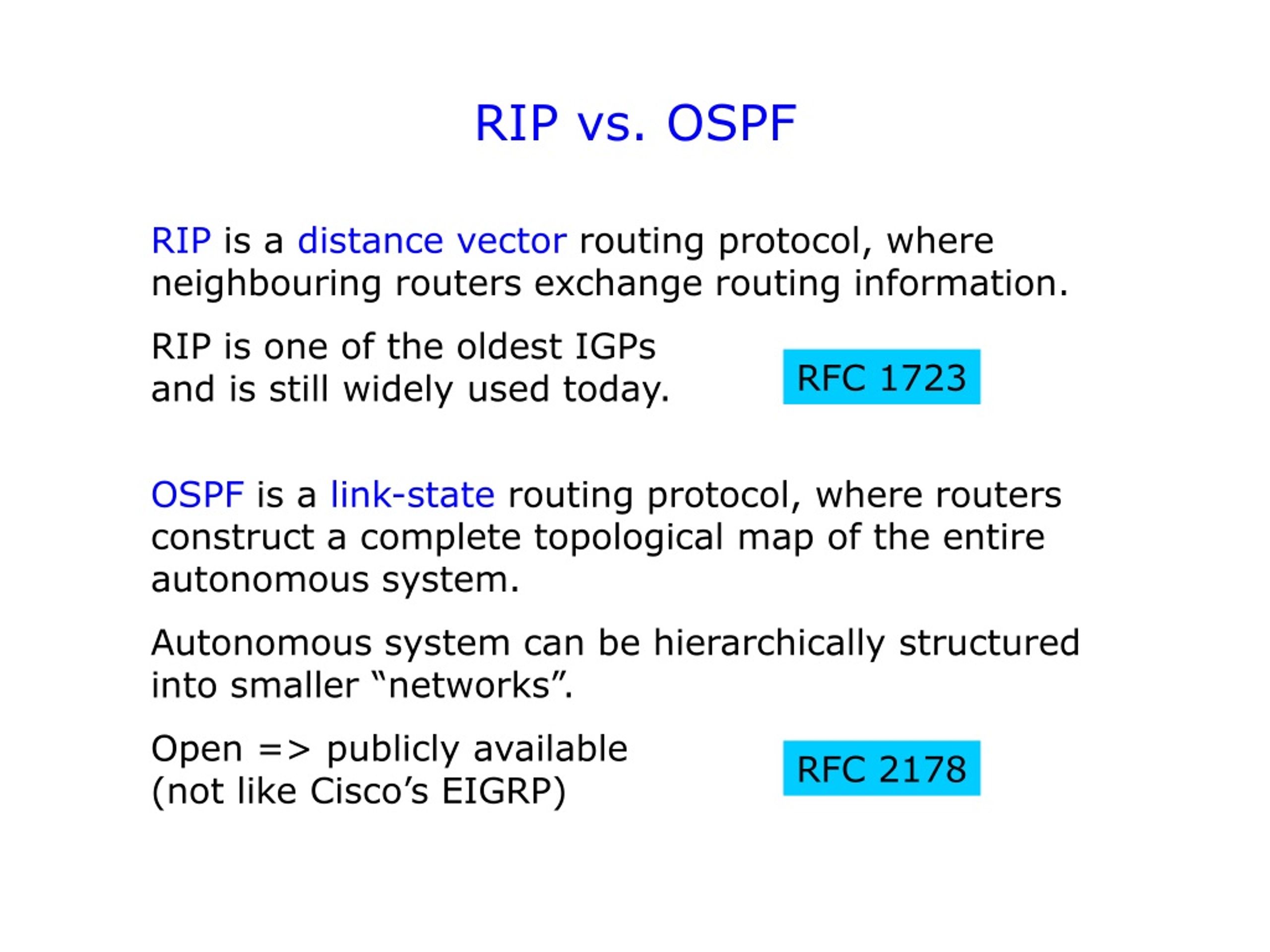
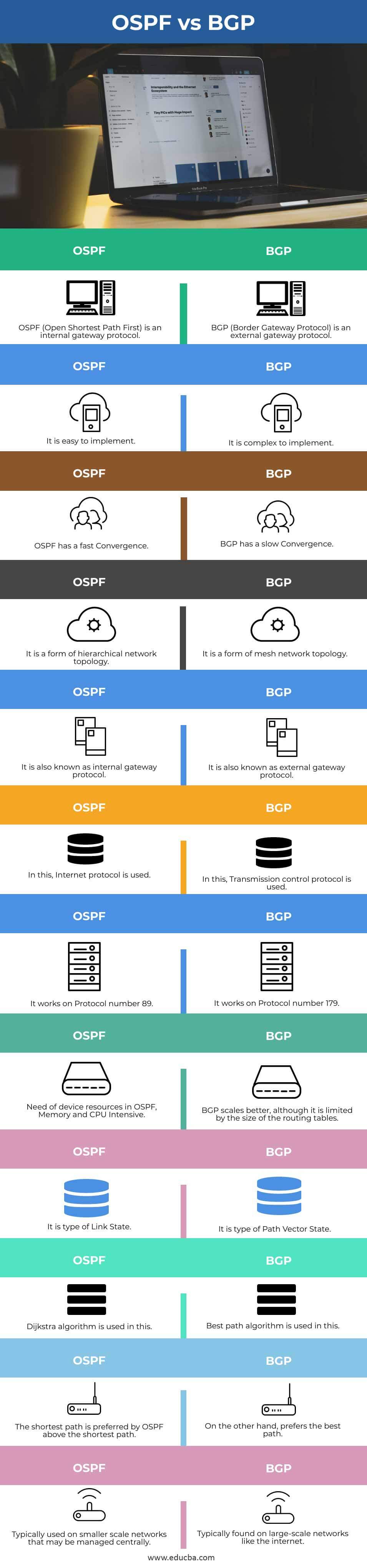
OSPF (Open Shortest Path First) is a link‑state routing protocol. Its job is to discover the best path through a network and keep routing tables up to date.
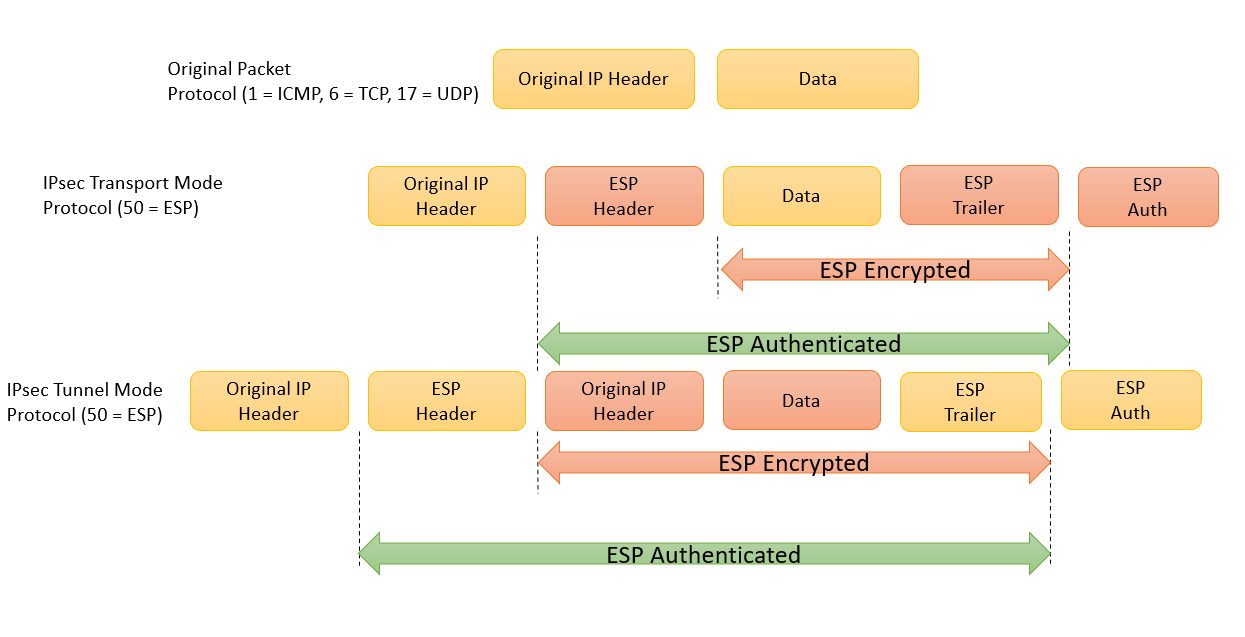
ESP (Encapsulating Security Payload) is actually a component of IPSec. It provides confidentiality and integrity for the payload, leaving the outer IP header untouched.
Key Differences at a Glance
- Purpose: IPSec/ESP = security; EoIP = tunneling; OSPF = routing.
- Layer: IPSec/ESP operate at the network layer (IP), EoIP at the data link layer (Ethernet), OSPF at the network layer but within the routing domain.
- Statefulness: OSPF constantly exchanges LSAs (link‑state advertisements); IPSec/ESP are generally stateless after the security association is set up.
- Configuration complexity: OSPF needs area design and cost metrics; IPSec/ESP require key management (manual or via IKE); EoIP is usually a single‑line tunnel definition.
When You Might Choose One Over the Other
Secure long‑distance connections
If confidentiality and integrity are non‑negotiable—think inter‑office links handling customer data—IPSec (with ESP) is the default. Its support for both transport and tunnel modes lets you protect individual hosts or entire subnets.
Extending a flat LAN across a WAN
EoIP shines when you simply want two switches to think they’re on the same Ethernet segment, perhaps for virtualization clusters or storage fabrics. It doesn’t encrypt, so pair it with IPSec if you need security.
Dynamic internal routing
For large, meshed networks where routes change often, OSPF provides rapid convergence and fine‑grained cost control. It’s not a security tool, but it can carry IPSec‑protected traffic as part of the routing domain.
Layer‑2 vs. Layer‑3 considerations
EoIP operates at Layer‑2, making it transparent to IP routing; OSPF works strictly at Layer‑3. Decide whether you need to preserve MAC addresses across the link (EoIP) or just move IP packets efficiently (OSPF).
Performance and Overhead
Adding encryption (IPSec/ESP) introduces CPU load for encryption/decryption and extra packet headers. In contrast, EoIP’s overhead is minimal—just an extra IP header. OSPF’s cost is the periodic exchange of LSAs, which is usually negligible unless you have a very large topology.
In a head‑to‑head test, a simple EoIP tunnel will typically have the lowest latency, followed by OSPF routing of plain IP, and finally IPSec with ESP trailing due to cryptographic processing. The exact numbers depend on hardware acceleration and key length.
Interoperability Tips
- Use IPSec in tunnel mode when you need to protect an EoIP tunnel—this stacks the two protocols safely.
- Make sure OSPF areas are consistent on both ends of an IPSec tunnel; otherwise you’ll see routing loops.
- When mixing vendors, verify ESP implementation (RFC 4303 compliance) to avoid mismatched authentication methods.
- Keep MTU in mind: IPSec adds overhead, so you may need to lower the MTU on EoIP tunnels to prevent fragmentation.
Bottom Line
IPSec (with ESP) secures, EoIP extends, and OSPF routes. They’re not interchangeable, but they often work together in layered designs. Understanding the specific role each plays lets you build a network that’s both efficient and protected, without throwing unnecessary complexity at the problem.