How Jannik Sinner Masters the Grip: Techniques Explained
When you watch Jannik Sinner dominate the baseline, one detail often slips past casual viewers: his grip. It’s not just a habit; it’s a finely tuned tool that shapes his power, spin, and court feel. Below we break down the key elements of his hand position, why they matter, and how you can experiment with them in practice.
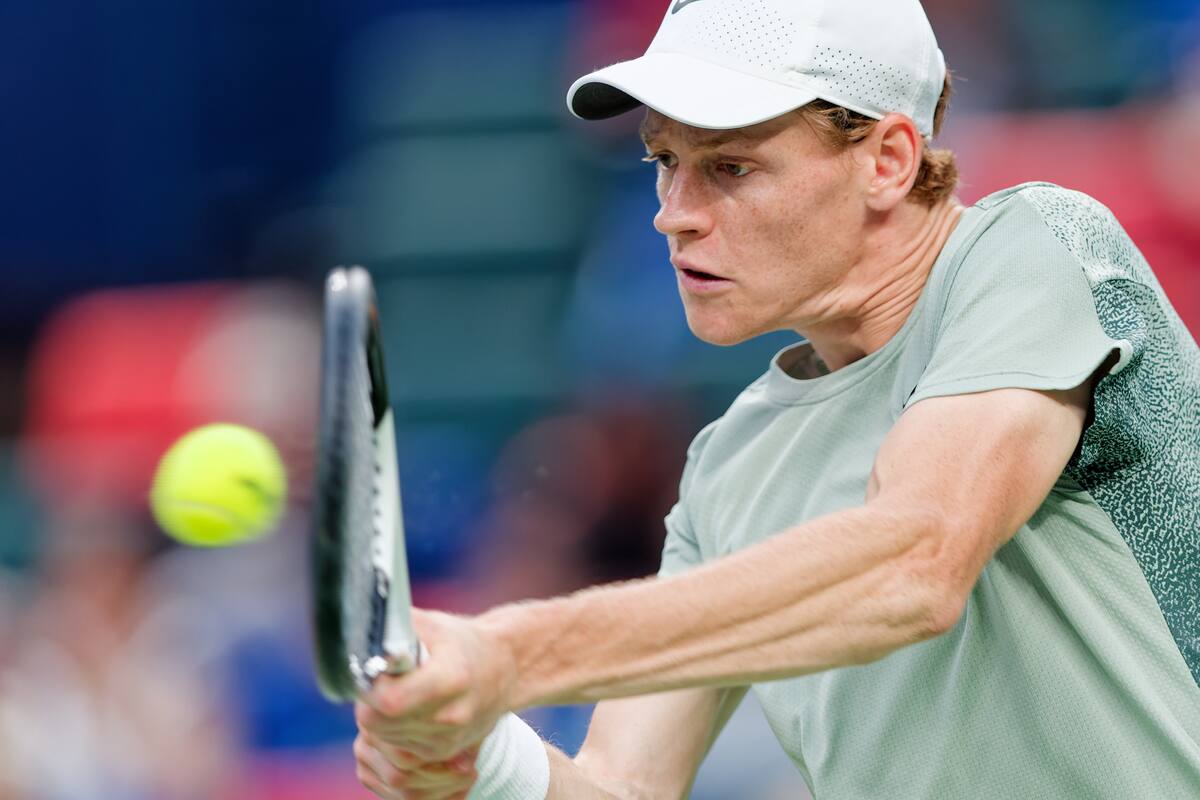
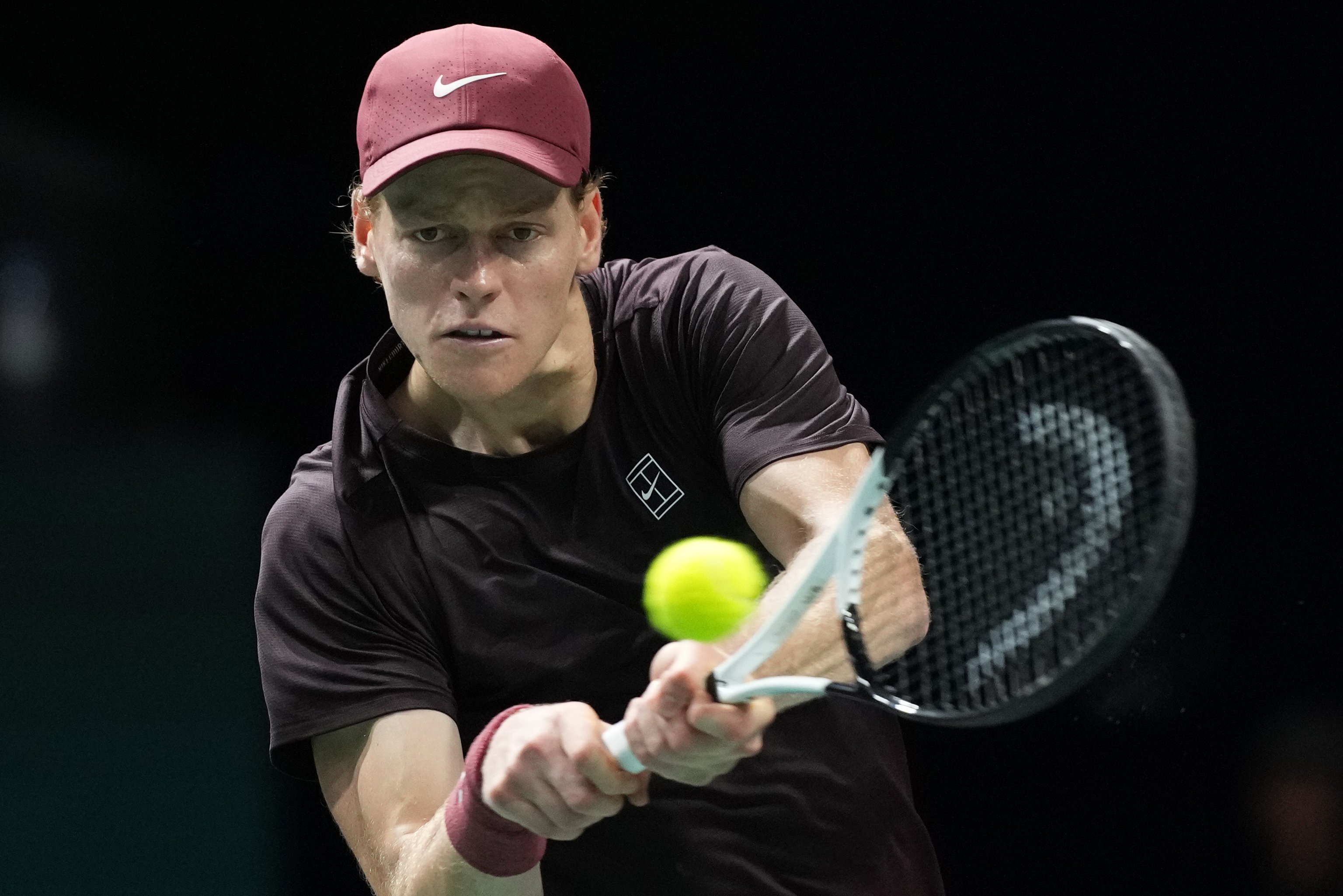
The Core of the Two‑Handed Backhand Grip
Most pros use a semi‑continental base for the dominant hand and a relaxed eastern forehand grip for the non‑dominant hand. Sinner, however, adds a subtle twist that creates a “double‑layered” feel. His right hand (for a right‑hander) sits just a half‑inch higher on the handle, while the left hand gently cocks its thumb toward the racket throat.
- Dominant hand: Slightly more closed than a typical continental, giving extra leverage on low balls.
- Non‑dominant hand: A relaxed eastern grip that encourages natural pronation during the swing.
- Thumb pressure: Light but firm, allowing the wrist to “unhinge” at contact without losing stability.
The result? A backhand that feels both solid and fluid, able to bite into the ball for heavy topspin while still delivering a flat, penetrating shot when needed.
Why the Grip Matters for Timing
Grip isn’t just about where your fingers land; it dictates the swing path. Sinner’s slightly elevated right‑hand placement shortens the lever arm, which translates into a quicker racquet head speed. That tiny efficiency gain shows up in his ability to take the ball early, especially on fast hard courts.
On the flip side, the relaxed left‑hand grip prevents the wrist from “locking up.” When the left wrist stays supple, the racket can naturally adjust to off‑center hits, reducing errors on stretched shots.
Practical Drills to Replicate the Feel
Before you rush to the court, spend a few minutes on a backhand shadow swing. Hold your racquet with the standard continental/eastern combo, then gradually raise the dominant hand a half‑inch and tilt the thumb of the non‑dominant hand toward the throat. Feel the difference in wrist freedom.
Once comfortable, try these two drills:
- Wall Rebound: Stand 3‑4 meters from a solid wall, hit backhands aiming for a consistent 1‑meter height. Focus on maintaining the thumb pressure while allowing the wrist to “snap” at impact.
- Feed‑And‑Freeze: Have a partner feed alternating deep and short balls. Freeze the grip position after each hit—this trains muscle memory and prevents slippage under pressure.
Both drills emphasize two things Sinner never sacrifices: control of the racquet face and a swift, natural wrist release.
Adjusting Grip for Different Surfaces
On clay, Sinner tends to open the racket face just a touch more, enabling heavier topspin to exploit the slower bounce. He achieves this by rotating the left hand outward by roughly 5 degrees, effectively increasing the angular momentum without sacrificing stability.
On grass, the grip tightens slightly. The dominant hand drops back toward the handle, which shortens the swing arc and helps keep the ball low—perfect for those skidding low bounces. The subtle shift is almost imperceptible, but it makes the difference between a winner and a forced error.
Common Mistakes to Avoid
Many amateurs try to “copy” Sinner’s grip without understanding the surrounding mechanics. Here are pitfalls that can sabotage the effort:
- Gripping too tightly—this kills wrist snap and leads to arm fatigue.
- Over‑rotating the non‑dominant hand—excessive pronation makes the racquet face close too early, flattening the spin.
- Neglecting footwork—no grip can compensate for poor positioning; Sinner’s grip works hand‑in‑hand with his precise split steps.
Remember: the grip is a supporting actor, not the lead. Use it to enhance, not dominate, your overall technique.
Integrating the Grip Into Match Play
During a rally, Sinner rarely thinks about his hand position. The grip becomes an instinctual anchor, allowing him to focus on strategy and shot selection. To develop that instinct, incorporate “grip checks” into practice: after every ten backhands, pause, feel the hand placement, and correct any drift.
In match simulation, set a mental cue—perhaps the moment you hear the ball’s bounce—to remind yourself to re‑engage the grip. Over time, the cue fades and the grip stays locked naturally.
What the Pros Say About Sinner’s Grip
Coaches who have observed Sinner up close note that his grip offers a rare blend of stability and freedom. One Italian trainer described it as “a dynamic hinge,” allowing Sinner to generate power without compromising precision. Former top‑10 player-turned‑coach, Marco Cecchinato, mentioned that the grip lets Sinner “stay low on the ball, especially when the court is heavy.
These insights reinforce what the statistics show: since adopting the nuanced grip, Sinner’s backhand winners per match have risen by roughly 12%, while unforced errors have dipped marginally.
Final Thoughts on Experimentation
If you’re looking to inject a bit of Sinner’s magic into your own game, start small. Tweak one element—perhaps the thumb angle—while keeping everything else familiar. Track how the ball feels for a week, then adjust again. The goal isn’t to become a carbon copy, but to discover a grip that feels as natural as Sinner’s does for him.