How Japanese Folklore Turns Women Into Terrifying Ghosts
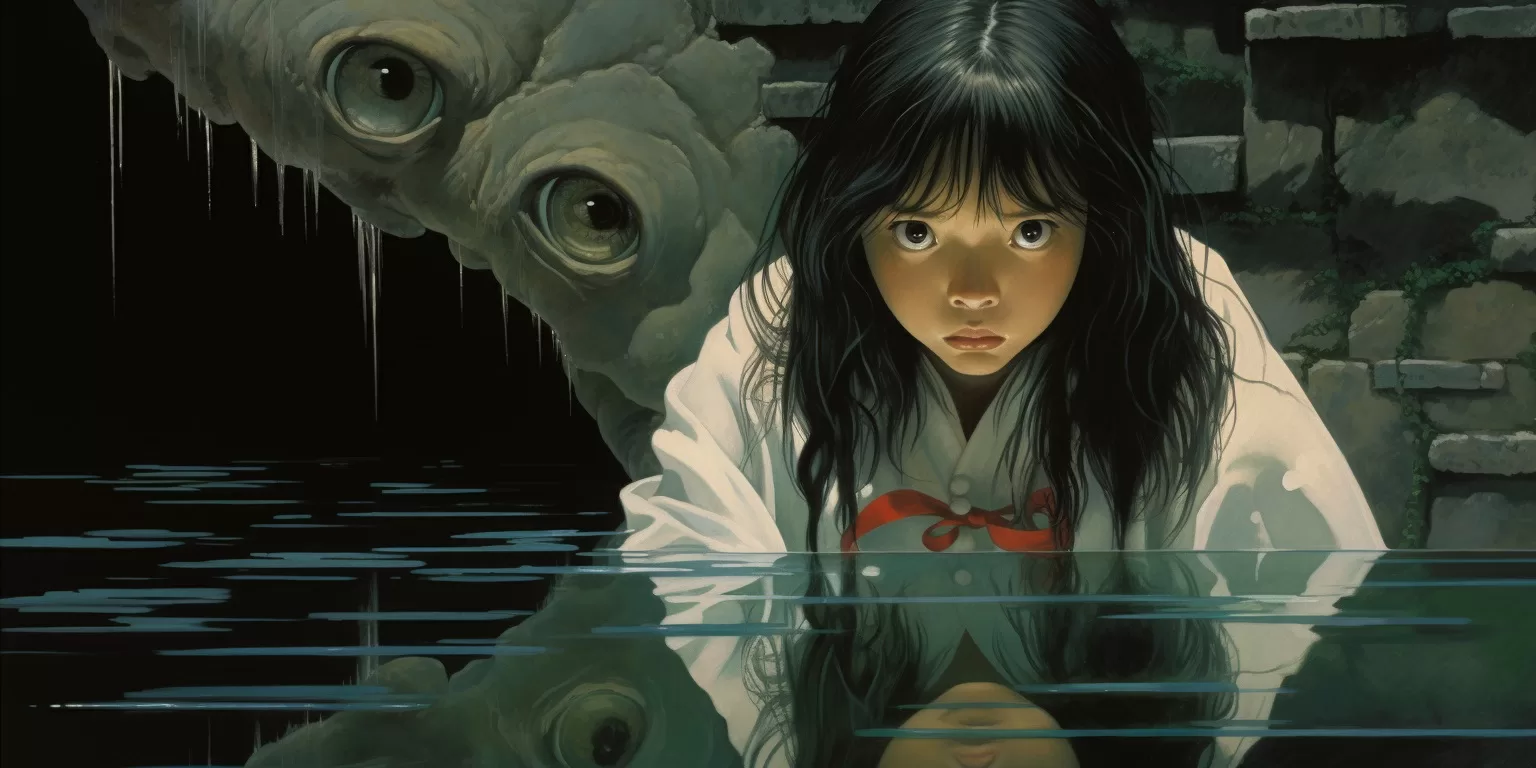
When you think of Japanese horror, the first images that often come to mind are dimly lit corridors, whispering winds, and pale figures drifting silently through mist. Yet, the genre’s most unsettling characters are rarely monsters in the traditional sense; they are women whose unfinished stories twist into vengeful spirits. This uncanny blend of cultural belief, tragic history, and artistic storytelling has given rise to a whole pantheon of ghostly heroines—and antagonists—who still haunt modern media.
The Roots of the Female Ghost in Japan
Japanese folklore has long revered the concept of yūrei, spirits bound to the earthly realm by strong emotions. Unlike Western specters, which often appear as generic apparitions, yūrei are usually defined by the circumstances of their death. Women, in particular, feature prominently because historically they were the most vulnerable to social constraints and sudden betrayals.
Two key elements shape these narratives:
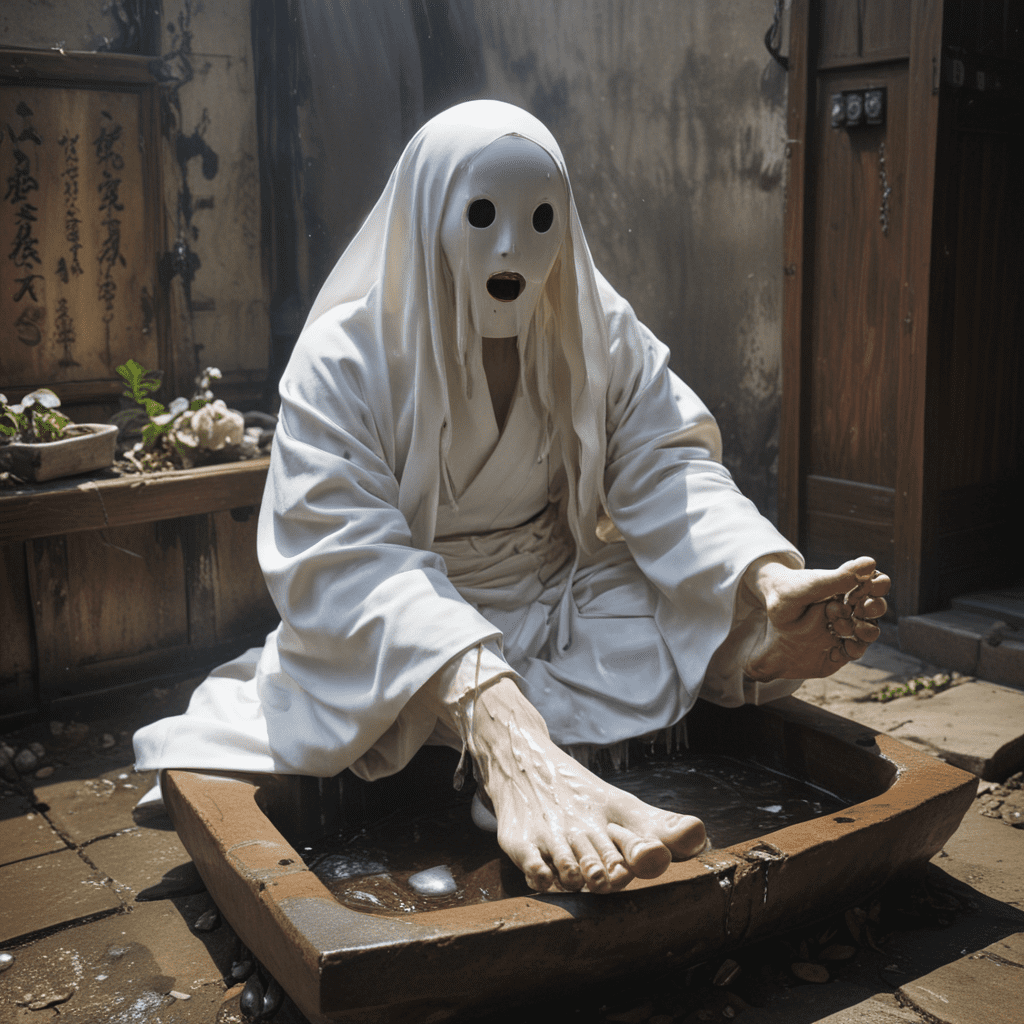
- Onryō – a vengeful spirit driven by rage or sorrow. The classic example is the lady in a white burial kimono, her hair slicked back, floating hands-out.
- Jōkō – the notion that a woman who dies before fulfilling her duties (marriage, motherhood, or duty to family) becomes restless.
These ideas coalesce into stories where grief, jealousy, or injustice fuel a haunting that can span generations.
Iconic Ghost Women and Their Stories
Every Japanese horror enthusiast can name at least a handful of these lingering ladies. Here are four that have become cultural touchstones:
1. Oiwa – The Cursed Bride
Based on a 19th‑century kabuki play, Oiwa was betrayed by her husband, who plotted to poison her. The poison disfigured her face, and when she discovered the treachery, she died in a fit of despair. Her spirit returned, forever scarred, to torment the guilty and anyone who dares to cross her path.
2. Yuki-Onna – The Snow Woman
Unlike the vengeful onryō, Yuki-Onna is a more ambiguous figure. She appears on moonlit nights, beautiful and cold, sometimes offering a fatal kiss. Some legends portray her as a tragic soul who fell in love with a mortal, only to be bound to the winter forever.
3. Okiku – The Dishware Servant
Okiku’s tale originates from the “Banchō Sarayashiki” legend. A servant accused of losing ten priceless plates is forced to commit suicide. Her ghost returns nightly, counting to nine before shrieking a desperate “ten!” The story has been adapted countless times in film and theater.
4. Kayako – The Curse of the Grudge
Modern cinema gave the world Kayako Satō, the central figure of the "Ju-on" / "The Grudge" franchise. Her rage stems from an unspeakable family tragedy, and the curse she unleashes spreads like a virus, dragging anyone who enters her house into a loop of terror.
Why Women? A Societal Lens
The prevalence of female specters isn’t a random choice. In feudal Japan, women’s roles were tightly prescribed, and stepping outside those bounds could be socially fatal. Their stories often serve as cautionary tales—a warning that neglecting or abusing a woman can unleash forces beyond comprehension.
Moreover, the visual language of Japanese horror—long black hair, white burial garments, and a solemn, expressionless face—draws directly from funeral customs. The stark contrast between a traditionally pure appearance and a terrifying presence intensifies the shock.
From Folklore to Film: The Evolution of the Ghost Woman
Early cinema borrowed heavily from stage plays, but directors soon realized the power of the camera to amplify subtle horror. Techniques like:
- Slow, deliberate tracking shots that follow a drifting figure.
- Use of natural sound—wind, distant bells—to hint at an unseen presence.
- Strategic lighting that flickers like a dying lantern.
…helped transform oral legends into visual nightmares. The result? Cult classics such as Ringu, Ju-on, and the newer Sadako adaptations, all of which rely on a female ghost’s lingering grief to drive the plot.
Modern Interpretations and Global Influence
Japanese ghost women have crossed borders, inspiring Western filmmakers and video game designers. The aesthetic of the white kimono ghost appears in horror games like Fatal Frame, while directors such as Guillermo del Toro cite onryō as influences for their own spectral characters.
Interestingly, contemporary Japanese creators sometimes subvert the trope. In some recent manga, the ghost woman seeks redemption rather than revenge, turning the usual narrative on its head and prompting audiences to question who truly bears the blame.
How to Experience These Tales Responsibly
If you’re new to the genre, start with something accessible:
- Film: Ringu (1998) – a slow‑burn classic.
- Literature: “Kwaidan” by Lafcadio Hearn – a collection of translated ghost stories.
- Game: Fatal Frame – explore haunted locations while confronting spirits.
Remember that many of these works are rooted in genuine cultural anxieties. Approach them with curiosity, not just for scares, and you’ll gain insight into the deeper social currents that shaped them.
In the end, the haunting world of Japanese ghost women isn’t just about jump scares. It’s a mirror reflecting centuries of gendered expectations, unspoken grief, and the enduring belief that emotions—when left unattended—can transcend death itself. Whether you’re watching from a theater seat or reading a faded folktale, the echo of a woman’s unresolved sorrow can still send a chill down your spine.