How Lisa Su and Jensen Huang Shaped the GPU War
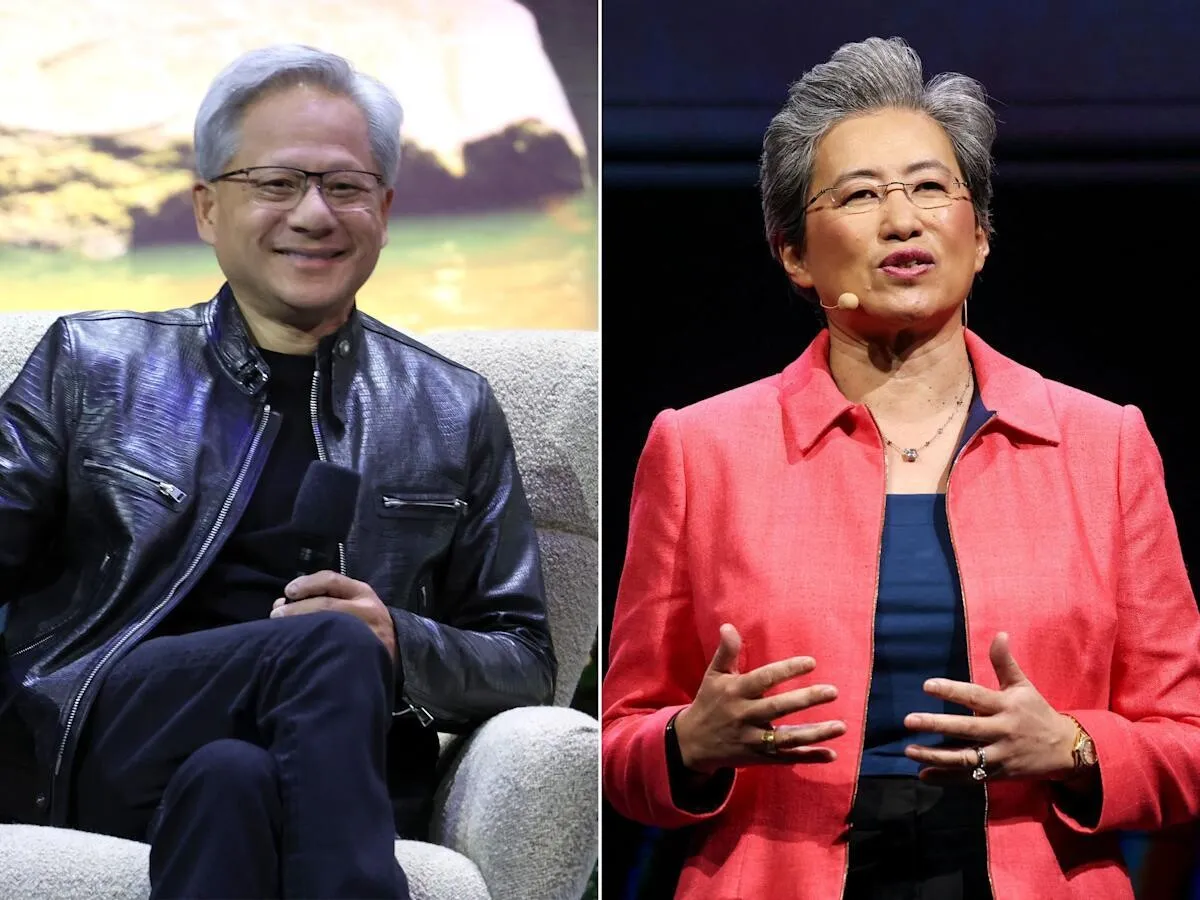
When you think of the modern graphics‑processing arena, two names dominate the conversation: Lisa Su of AMD and Jensen Huang of Nvidia. Their rivalry isn’t just about silicon; it’s a saga of vision, risk‑taking, and the occasional surprise pivot. Below we dive into the key moments that turned two engineers into industry legends.
The Early Years: Parallel Paths
Both leaders entered the tech world in the late 1990s, but their routes differed. Su began at IBM, mastering chip design before moving to AMD in 2012. Huang, a co‑founder, has been with Nvidia since its 1993 inception, steering it from a niche 3D graphics startup to a multi‑billion‑dollar AI powerhouse.
First major breakthrough
- Su: Oversaw the launch of the “Zen” architecture, reviving AMD’s CPU credibility after years of lag.
- Huang: Introduced the GeForce 8800, the first GPU to fully support DirectX 10, setting the stage for modern gaming.
Strategic Shifts That Redefined Competition
Around 2015, the two CEOs made moves that would ripple through the market for years.
Su pushed AMD into a hybrid strategy, pairing Zen CPUs with Radeon graphics under the “APU” banner. The gamble paid off, especially in budget‑gaming laptops where power efficiency mattered.
Meanwhile, Huang bet heavily on parallel computing. By allocating massive resources to CUDA, Nvidia turned GPUs into general‑purpose processors, a decision that now fuels data‑center AI workloads as much as gaming.
Leadership Styles: Calm Precision vs. Aggressive Showmanship
Lisa Su is often described as quietly decisive. In boardrooms she asks pointed questions, then lets data drive the answer. Her communication style is measured—think steady drumbeat rather than fireworks.
Jensen Huang, by contrast, thrives on theatrical product reveals. His keynotes feel more like performances, complete with dramatic lighting and bold claims. This flair energizes investors but sometimes raises eyebrows among skeptics.
Key Battles on the Market Front
There are three headline contests worth noting.
- Desktop GPUs: Nvidia’s RTX series, with ray‑tracing cores, currently outpaces AMD’s RDNA 2 in raw performance, yet AMD often undercuts on price.
- Data‑center AI: Nvidia’s dominance is clear—most AI frameworks optimize for CUDA. AMD is catching up via its Radeon Instinct line, but the gap remains sizable.
- Console Partnerships: Both companies snaged major console deals (PlayStation 5 for AMD, previously Nvidia for Switch). These contracts cement long‑term revenue streams and showcase each firm’s adaptability.
When the Rivalry Turns Collaborative
Surprisingly, competition has sparked cooperation. Both firms support the OpenCL standard, enabling developers to write code that runs across AMD and Nvidia hardware. In the open‑source community, joint contributions to driver improvements have emerged, proving that mutual progress can outweigh pure rivalry.
Looking Ahead: What Might the Next Chapter Hold?
Predicting the future is never precise, but trends give clues.
Su appears focused on expanding AMD’s “chiplet” design, aiming for higher yields and lower costs. If successful, it could narrow the performance gap in high‑end GPUs.
Huang continues to push the envelope with AI‑centric hardware like the Hopper architecture, hinting that Nvidia may soon dominate not just graphics but also next‑gen compute platforms.
Whichever path each CEO takes, the industry benefits from their relentless push for better, faster silicon.