How Lucky Indoor Plants Can Boost Your Home’s Good Fortune
Ever walked past a glossy jade plant or a winding pothos and felt a sudden lift in mood? That little spark isn’t just coincidence; many cultures believe certain indoor greenery can usher in good luck, prosperity, and calm. Bringing a few of these “lucky” specimens into your living space isn’t about superstition alone—it’s a blend of tradition, psychology, and the subtle ways nature shapes our environment.
Why Lucky Indoor Plants Attract Positive Energy
Folklore from Feng Shui to Vastu associates specific foliage with wealth, health, and harmonious relationships. The logic is simple: thriving plants signal vitality, and a thriving home often mirrors that vitality. Moreover, caring for a living thing encourages routine, responsibility, and a sense of nurturing—qualities that naturally invite positive outcomes.
Top Lucky Plants and What They Symbolize
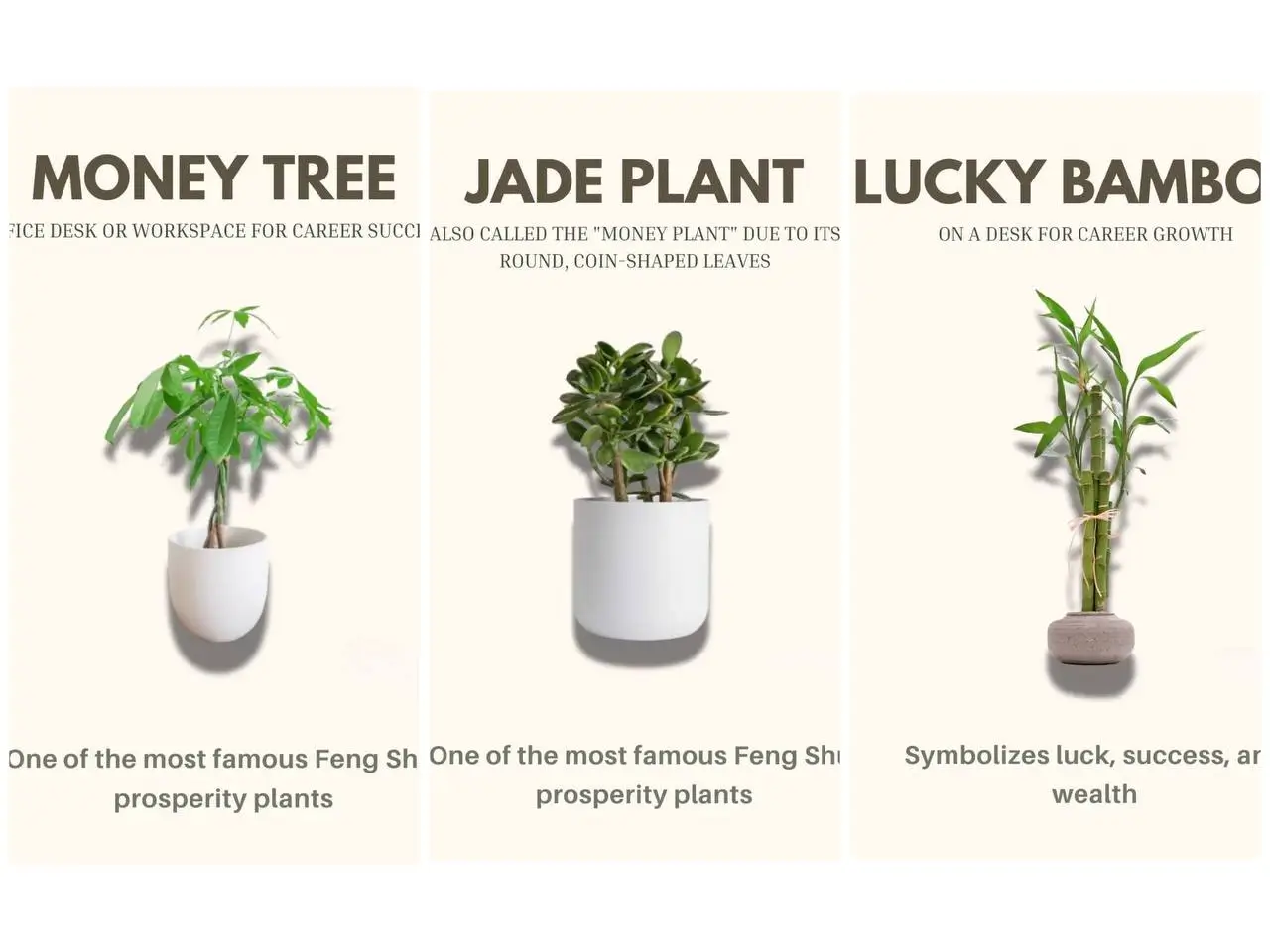
- Jade Plant (Crassula ovata) – Known as the “money plant,” its thick, coin‑shaped leaves are thought to attract financial abundance. Place it near a cash register or desk for a subtle boost.
- Pothos (Epipremnum aureum) – With its heart‑shaped leaves, pothos is linked to love and relationships. A trailing vine in the bedroom can help keep the romantic energy flowing.
- Lucky Bamboo (Dracaena sanderiana) – Though not a true bamboo, its upright stalks symbolize growth and resilience. The number of stalks matters: three for happiness, five for wealth, and eight for prosperity.
- Peace Lily (Spathiphyllum) – Its elegant white blooms stand for purity and spiritual clarity. Because it also cleans indoor air, it’s a practical way to keep both the environment and the mind fresh.
- Money Tree (Pachira aquatica) – Braided trunks represent intertwined fortunes. According to tradition, placing it in the southeast corner—a Feng Shui wealth zone—enhances its effect.
Choosing the Right Spot for Maximum Benefit
Location matters as much as the plant itself. In Feng Shui, the southeast corner of a room is the “wealth corner,” making it ideal for the money‑drawing varieties. If you’re aiming for better relationships, a plant with heart‑shaped foliage works well in the southwest, the love sector. Light requirements also dictate placement: jade and money trees prefer bright, indirect light, while peace lilies tolerate lower light levels.
Caring Tips to Keep Luck Flowing
Even the luckiest plant can’t thrive on neglect. Here are a few practical reminders that double as “luck‑maintenance” rituals:
- Water consistently, but avoid soggy soil—most lucky plants prefer the soil to dry out slightly between drinks.
- Dust leaves weekly. Clean foliage photosynthesizes better, which translates to healthier growth and stronger energy.
- Rotate pots every month so each side receives equal sunlight, encouraging balanced development.
- Trim yellowing leaves promptly. Removing dead tissue prevents stagnation, a metaphorical way of clearing out negative vibes.
Beyond Luck: Health Benefits That Reinforce Good Fortune
Lucky indoor plants do more than symbolically invite wealth; they improve indoor air quality, lower stress, and boost concentration. Studies have shown that the presence of foliage can reduce blood pressure and enhance mood—conditions that naturally make you more productive and open to opportunities. In other words, the “good fortune” they bring is partly scientific.
Integrating Lucky Plants Into Different Décor Styles
Whether your home leans minimalist, bohemian, or modern farmhouse, there’s a lucky plant that fits. A sleek jade plant in a matte black pot adds a touch of elegance to a contemporary setting. For a cozy, eclectic vibe, group a pothos cascade with string lights and a few terracotta pots. The key is to let the plant feel intentional rather than an afterthought.
Common Mistakes to Avoid
It’s easy to over‑interpret the symbolism and forget the basics. Don’t place a moisture‑loving peace lily in a dry, sunny window—that will stunt its growth and defeat the purpose. Also, avoid buying overly large specimens for tiny spaces; a cramped plant can look wilted and may convey the opposite of prosperity.
When to Refresh Your Plant Collection
Like any good habit, the practice of curating lucky plants should evolve. As seasons change, you might swap a summer‑blooming African violet for a winter‑hardy jade plant. Periodically reassessing the health and placement of each plant ensures that the energy they emit stays vibrant.
FAQ
Can I keep lucky indoor plants outdoors?
Most lucky varieties thrive best indoors because they’re adapted to stable temperatures and indirect light. Some, like lucky bamboo, can survive outdoors in shaded, humid areas, but moving them may diminish their symbolic placement benefits.
Do I need a special pot to enhance the luck?
While the pot’s material isn’t a strict requirement, traditional guidance often suggests using natural, unglazed clay or wood to keep the energy grounded. Avoid overly flashy or synthetic containers if you want to stay true to the plant’s humble origins.
How often should I “reset” the luck of a plant?
Resetting isn’t a ritual in the literal sense, but repotting every two to three years—when roots outgrow their container—helps the plant renew its vigor, which can be seen as a fresh infusion of positive energy.
Is there a scientific basis for the “luck” these plants bring?
Directly, no. The “luck” stems from cultural beliefs and the psychological uplift plants provide. Indirectly, healthier indoor environments improve well‑being, which can create conditions that feel luckier.