How Macro Economics Helps Explain Economic Behavior
When you hear “macro economics,” you probably picture graphs of GDP, inflation curves, or central bank meetings. Yet the field does more than chase national aggregates; it offers a lens for understanding why individuals, firms, and governments act the way they do. By zooming out, macro economics uncovers the forces that shape everyday choices—whether you’re deciding to buy a house, a company is planning its next investment, or a country tweaks its tax policy.
The Big Picture: What Macro Economics Looks At
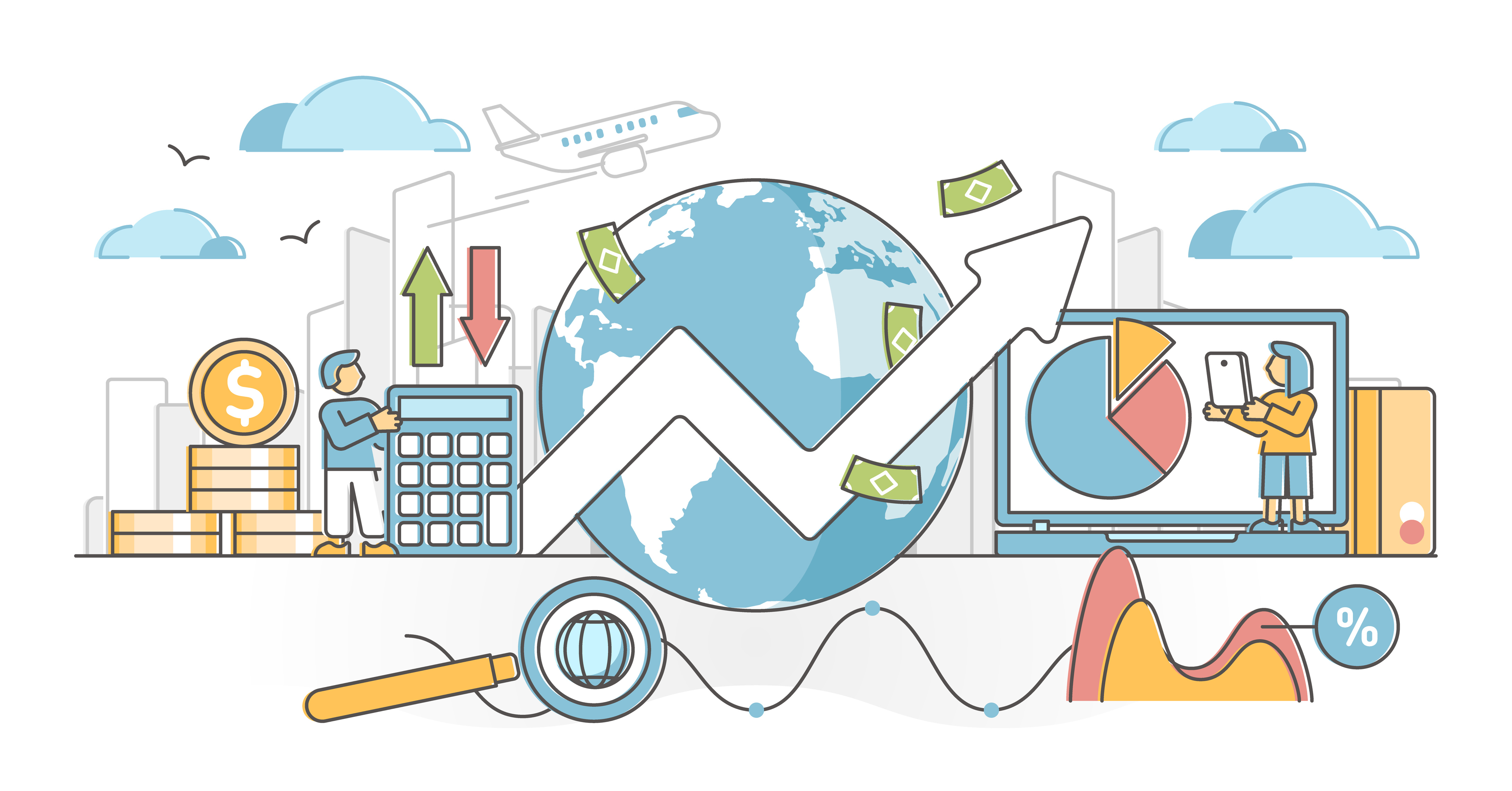
At its core, macro economics studies the total output of an economy, the flow of money, and the policies that influence them. The main variables—gross domestic product (GDP), unemployment, inflation, and interest rates—might sound abstract, but they ripple through households and businesses in concrete ways.
Why Aggregate Data Matters to Individuals
- Income Trends: When GDP rises, wages tend to follow, boosting consumer purchasing power.
- Job Market Signals: A falling unemployment rate usually means more job openings, nudging people to switch careers or negotiate higher salaries.
- Price Stability: Low inflation keeps everyday expenses predictable, while high inflation can erode savings and shift spending toward durable goods.
Key Theories That Link Macro Forces to Behavior
Several classic models help translate broad economic conditions into human action.
Keynesian Perspective
John Maynard Keynes argued that overall demand drives employment and production. When demand dips, businesses cut back, leading to layoffs. The ripple effect—reduced consumer spending—creates a feedback loop that can plunge an economy into recession. In response, governments may increase spending or cut taxes, hoping to spark confidence and revive spending.
Monetarist View
Monetarists, led by Milton Friedman, focus on the money supply. Their central claim: “Too much money chasing too few goods” fuels inflation. By controlling the growth of money, central banks aim to keep prices stable, which in turn preserves the real value of wages and savings—essential for long‑term planning.
Real Business Cycle Theory
This approach treats technology shocks—like a sudden improvement in manufacturing efficiency—as the engine of economic fluctuations. When productivity jumps, firms expand, hiring rises, and wages climb. Conversely, a productivity slump can trigger a brief dip in output without requiring policy intervention.
Policy Tools and Their Behavioral Impact
Governments and central banks wield a handful of levers. Understanding how each affects behavior helps demystify news headlines about “rate hikes” or “fiscal stimulus.”
- Interest Rates: Lower rates make borrowing cheaper, encouraging home purchases, business expansion, and consumer credit use. Higher rates do the opposite, cooling overheated markets.
- Tax Policies: Cuts raise disposable income, often spurring higher consumption and investment. Increases can restrain spending but may fund public goods that benefit society.
- Government Spending: Infrastructure projects create jobs and improve productivity, while social safety nets sustain demand during downturns.
Real‑World Illustrations
Consider the 2008 financial crisis. Sharp drops in housing prices and credit availability led to a plunge in consumer confidence. Governments responded with massive stimulus packages, and central banks slashed rates to near‑zero. The combined effort helped restore confidence, prompting gradual recovery in employment and spending.
Fast forward to the post‑pandemic period: many countries faced inflation spikes as demand outpaced supply. Central banks responded by raising rates, which immediately dampened borrowing for big‑ticket items like cars and homes. The ripple was evident—home‑buyer inquiries fell, and businesses postponed expansion plans.
Why Grasping Macro Economics Is Useful for Everyone
Even if you’re not an economist, knowing the basics can improve personal decisions.
- Anticipating interest‑rate moves can guide when to refinance a mortgage.
- Understanding inflation trends helps you protect savings—perhaps by diversifying into assets that historically keep pace with price rises.
- Keeping an eye on employment data can inform career moves or timing for job changes.
In short, macro economics isn’t a distant academic discipline; it’s a toolkit for interpreting the forces that shape the world around us. By connecting the dots between national indicators and everyday choices, it brings a clearer, more strategic view of economic life.