How Many Players In A Soccer Team? A Complete Guide
When you walk onto a pitch, the most obvious question is: how many players should be on the field? The answer isn’t just a number; it reflects a set of rules, traditions, and tactical choices that have evolved over a century.
Standard Eleven: The Core of the Game
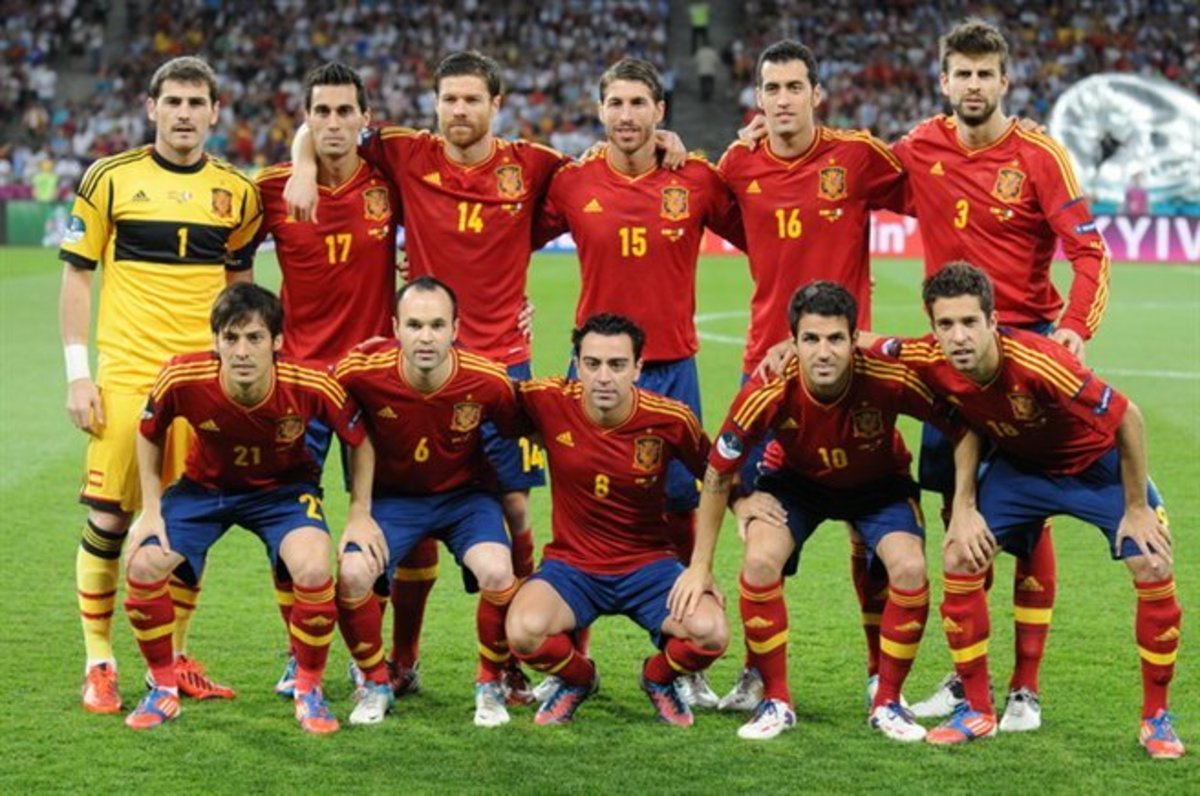
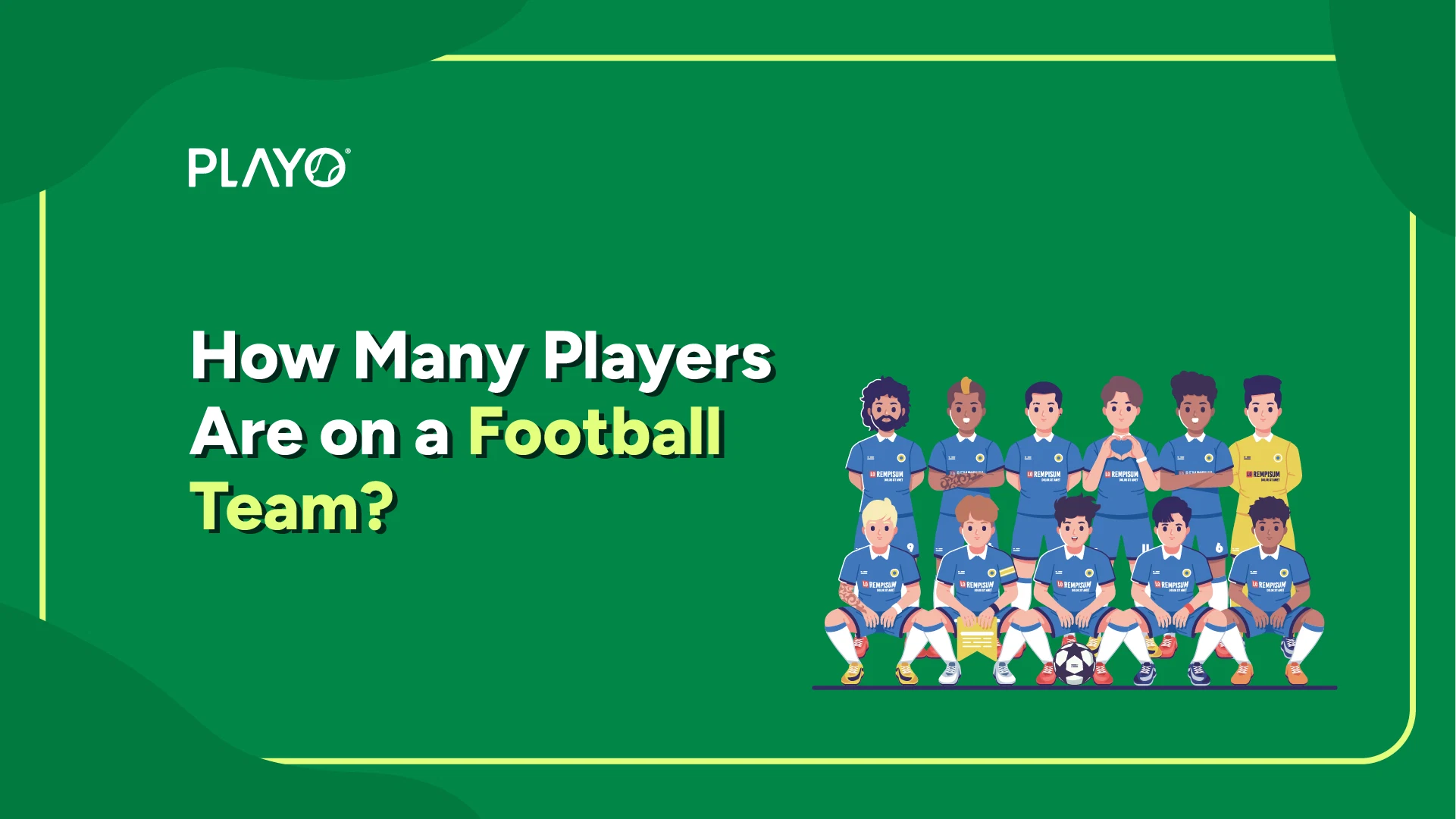
Under FIFA’s Laws of the Game, a senior match features eleven players per side. That lineup includes one goalkeeper and ten outfield players who shuffle between defense, midfield, and attack. The eleven‑man format is the backbone of everything from the World Cup to local Saturday leagues.
Why eleven? Historically, the number balances space and strategy. Too few, and the field feels empty; too many, and chaos reigns. With eleven, coaches can devise intricate formations—4‑4‑2, 4‑3‑3, 3‑5‑2—while still giving each player a clear role.
Beyond the Starting Eleven: Substitutes and Bench Size
Most competitions allow up to five substitutes during a match, plus a few extra players on the bench for emergencies. In some tournaments, like the UEFA Champions League, teams name a squad of up to 23 players, meaning the bench can be sizeable.
- Three to five changes are permitted per game, depending on the competition.
- Players can be used strategically—fresh legs for a late surge, or a specialist for a set‑piece.
- In knockout stages, an extra “extra‑time” substitution is sometimes granted.
These rules give coaches flexibility, but they also add a layer of decision‑making that goes far beyond simply counting heads.
Variations Across Formats
If you step into a futsal court, a beach soccer arena, or a youth league, the player count shifts dramatically.
Futsal
Five players per side, including the goalkeeper, dominate indoor play. The smaller field emphasizes quick passing and tight ball control.
Beach Soccer
Teams field five players, but matches are shorter, and the sand adds an extra physical challenge.
Youth and Grassroots
Age‑group teams often play with fewer players—seven‑a‑side for U‑10, nine‑a‑side for U‑13—allowing kids more touches on the ball and a smoother learning curve.
Typical Positions Within the Eleven
Understanding the roles helps you see why eleven is more than a simple headcount. Below is a quick snapshot of a classic 4‑3‑3 arrangement.
- Goalkeeper – the last line of defense, tasked with shot‑stopping and organizing the back line.
- Right and Left Full‑backs – defenders who also support attacks down the wings.
- Center‑backs (two) – the core of the defensive wall, responsible for aerial duels and marking strikers.
- Defensive Midfielder – shields the back line, often breaking up opposition play.
- Central Midfielders (two) – balance between defending and creating chances.
- Right and Left Wingers – stretch the defense, deliver crosses, and cut inside to score.
- Center Forward – the primary goal‑scorer, leading the line.
Coaches can tweak these roles—shifting a winger into a wing‑back or converting a midfielder into a false nine—yet the eleven‑player framework stays intact.
Roster Sizes in Professional Leagues
Beyond matchday squads, clubs maintain larger rosters. In the English Premier League, clubs register up to 25 senior players, plus unlimited youth players. In Major League Soccer, the cap sits at 23 senior spots, with additional “homegrown” spots for academy graduates.
These limits affect transfer strategies, salary budgets, and even the way teams develop talent. A deep bench can be a tactical advantage, but it also requires careful management of player minutes to avoid fatigue.
Strategic Implications of the Player Count
Having eleven players forces coaches to consider spacing, pressing intensity, and transition speed. For example, a high‑press system often relies on every outfield player being ready to close down opponents within seconds. Conversely, a counter‑attacking setup might keep a few players deeper, sacrificing immediate pressure for quick breakaways.
Even the choice of substituting a midfielder for an extra forward can dramatically alter the rhythm of the game. These decisions hinge on the simple fact that you only have eleven bodies to manipulate on the field.
In the end, the number eleven is a sweet spot—enough to craft intricate tactics, yet limited enough to keep the game fluid and exciting.