How Mechanical Engineers Impact Construction and Build Their Careers
When you walk through a modern office tower or a sprawling industrial complex, the invisible hand guiding heating, ventilation, plumbing and fire‑protection systems is often that of a mechanical engineer. Their work isn’t limited to drafting blueprints; it stretches across site supervision, budgeting, sustainability analysis and even client negotiations. Understanding what they actually do—and how the profession evolves—can help students choosing a path, professionals planning a pivot, or firms looking to hire the right talent.
Core Responsibilities on the Construction Site
Mechanical engineers in construction wear many hats. While the exact mix varies by project size and company culture, several tasks appear on almost every job description:
- System Design and Specification – Selecting pumps, boilers, HVAC units and pipework that meet performance criteria while staying within budget.
- Coordination with Other Disciplines – Working side‑by‑side with structural, electrical and civil engineers to avoid clashes in the building information model (BIM).
- Construction Administration – Reviewing shop drawings, approving material submittals, and ensuring that installation follows the design intent.
- Quality Assurance and Testing – Conducting pressure tests, airflow measurements and commissioning activities before handover.
- Health, Safety and Sustainability – Integrating fire‑protection codes, energy‑efficiency standards and green‑building certifications like LEED or BREEAM.
In smaller firms a single engineer might juggle all of these duties; larger organizations often split them among specialists such as HVAC designers, pipe‑fitters’ supervisors or fire‑protection consultants.
Typical Career Stages
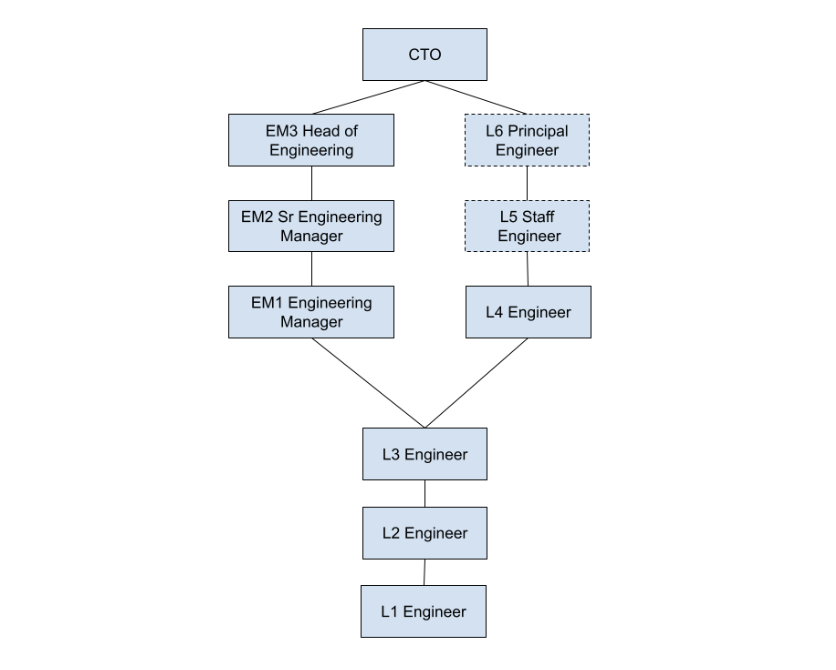
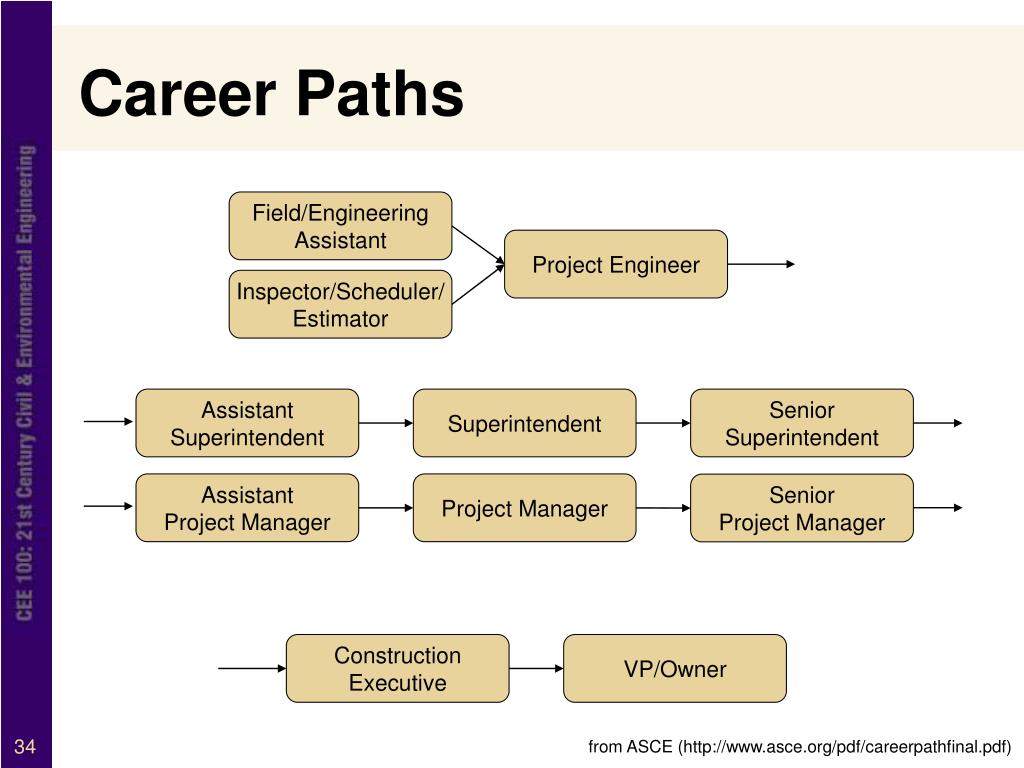
Entry‑Level: Junior Mechanical Engineer
Graduates usually start by supporting senior staff—checking calculations, learning the nuances of local building codes, and getting familiar with industry‑standard software (Revit, AutoCAD MEP, TRACE 3D Plus). This stage is less about autonomy and more about absorbing the rhythm of a construction project, from concept to close‑out.
Mid‑Level: Project Engineer or Design Lead
After two to five years, engineers often take charge of a specific system—say, the entire HVAC network for a mid‑rise office building. Responsibilities broaden to include:
- Managing sub‑contractors and trade schedules.
- Preparing cost estimates and value‑engineering proposals.
- Interacting directly with owners or developers to explain technical decisions.
At this point, many professionals also start pursuing certifications—ASME, PMP or LEED AP—to strengthen their credibility.
Senior Level: Mechanical Engineering Manager or Principal Engineer
Seasoned engineers transition from “doing the work” to “leading the work.” They may oversee multiple projects, shape company‑wide engineering standards, or act as the primary technical liaison on high‑profile developments. Strategic duties dominate:
- Setting quality‑control policies.
- Mentoring junior staff and organizing training programs.
- Negotiating contracts and risk assessments with clients.
Some choose a parallel track into business development, leveraging their technical background to win new work.
Alternative Paths and Specializations
Mechanical engineering isn’t a monolith. Depending on personal interests, professionals can veer into niche areas:
- Energy Modeling – Focusing on simulation tools to predict a building’s energy consumption and recommend retrofits.
- Fire‑Protection Engineering – Designing sprinkler systems, smoke‑control strategies, and ensuring compliance with fire codes.
- Prefabrication and Modular Construction – Working on off‑site fabrication of mechanical modules, a growing trend for speed and quality.
- Consulting – Providing specialist advice on complex projects, often as part of a multidisciplinary consultancy firm.
Each route offers a different blend of technical depth and client interaction, allowing engineers to align their career with lifestyle preferences.
Skills That Make a Difference
Beyond the textbook knowledge of thermodynamics and fluid mechanics, successful construction mechanical engineers tend to excel in a handful of softer competencies:
- Communication – Translating dense calculations into clear, actionable instructions for contractors.
- Problem‑Solving On‑Site – Reacting quickly when a pump fails during installation or when space constraints force a redesign.
- Project Management Basics – Understanding schedules, budgets and risk logs, even if they’re not the official project manager.
- Digital Literacy – Comfortable with BIM coordination, clash‑detection software, and emerging tools like digital twins.
Developing these abilities early—through internships, teamwork on campus projects, or even part‑time roles—can accelerate career progression.
Industry Outlook and Emerging Trends
The construction sector is gradually embracing sustainability, automation and data‑driven operations. Mechanical engineers who stay ahead of these shifts will find a richer job market:
- Net‑Zero Buildings – Demand for engineers who can design ultra‑efficient HVAC systems and integrate renewable energy sources.
- Smart Sensors and IoT – Growing need for expertise in connecting mechanical equipment to building management systems for real‑time monitoring.
- Modular and Offsite Construction – Engineers who understand how to design mechanical packages that can be built offsite and installed quickly are highly prized.
According to recent labor reports, the median salary for mechanical engineers in the construction industry remains competitive, with senior roles often crossing the $120,000 mark in the United States. Internationally, regions investing heavily in infrastructure—Southeast Asia, the Middle East and parts of Africa—are creating new opportunities for both locals and expatriates.
Tips for Advancing Your Career
Whether you’re fresh out of college or looking to take the next leap, a few practical steps can make a noticeable impact:
- Earn a relevant professional certification (LEED AP, PMP, or ASHRAE‑certified HVAC specialist).
- Volunteer for cross‑disciplinary workshops to broaden your network beyond the mechanical team.
- Stay current with code updates—IBC, ASHRAE Handbook, and local fire‑protection regulations change more often than you think.
- Document successes: keep a portfolio of projects where you saved money, improved efficiency, or solved a tricky on‑site issue.
- Consider a master’s degree or specialized coursework if you aim for leadership positions in large firms or consultancy practices.
In the end, the path of a construction mechanical engineer is as dynamic as the systems they design. By blending solid technical grounding with strong interpersonal skills and an eye on industry trends, professionals can not only shape the built environment but also craft a rewarding, evolving career.