How Media Power Shapes Society: Influence, Impact, and Responsibility
When we talk about the media’s role, power, influence, and impact on society, we’re looking at a complex web that touches every corner of daily life. From the headlines that set the national conversation to the subtle framing of political debates, media outlets act as both mirrors and molders of public perception. While journalism’s core promise is to inform, its reach often extends into the realms of persuasion and agenda‑setting, creating a ripple effect that can shift opinions, shape policies, and even alter cultural norms.
Understanding Media Power
Power in the media arena is multifaceted. On one level, it refers to the sheer volume of audiences that newspapers, broadcasters, and digital platforms command. On another, it lies in the capacity to frame narratives—deciding which stories receive attention, how they are presented, and what angles are emphasized. This combination of reach and framing equips media with a unique lever over public discourse.
The Mechanics of Framing
Framing is the process by which information is selected and organized to influence interpretation. For instance, describing a protest as a “riot” versus a “demonstration” can immediately color viewer perception. By choosing particular words, images, and context, media editors steer audience understanding without necessarily altering the underlying facts.
Influence: From Information to Persuasion
Influence transcends the mere delivery of facts. It involves shaping attitudes, beliefs, and behaviors through repeated exposure and narrative consistency. Studies in communication theory show that repeated messaging can reinforce beliefs, a phenomenon known as the “mere exposure effect.” When media consistently portrays a political candidate as trustworthy, audiences are more likely to develop favorable impressions.
- Agenda‑setting: Highlighting certain issues while ignoring others determines what the public deems important.
- Priming: Media coverage can predispose audiences to evaluate events based on specific criteria, such as economic impact or moral judgment.
- Social norming: By showcasing particular lifestyles or viewpoints, media can influence what is considered socially acceptable.
Impact on Public Opinion and Policy
The influence of media becomes tangible when public opinion translates into policy change. Historically, investigative journalism has led to reforms—think of the Watergate scandal, which catalyzed tighter regulations on campaign financing. In contemporary settings, viral social media movements can pressure lawmakers to act on climate change, gun control, or privacy protections.
However, the impact is not always linear or predictable. Echo chambers on digital platforms can entrench polarized views, reducing the likelihood of compromise. Moreover, sensationalist reporting may provoke short‑term emotional responses that outlast factual nuance, leading to policy decisions driven by perception rather than evidence.
The Double‑Edged Sword of Media Ethics
With great influence comes great responsibility. Ethical journalism demands accuracy, fairness, and accountability. Yet commercial pressures—advertising revenue, ratings, and audience engagement metrics—can tempt outlets to prioritize clicks over credibility. This tension often manifests in the spread of misinformation, biased coverage, or the neglect of minority voices.
Regulation and Self‑Governance
While regulatory bodies exist to enforce standards, self‑governance mechanisms—such as editorial codes, fact‑checking committees, and transparency initiatives—play a pivotal role in maintaining trust. Audiences increasingly value media outlets that openly disclose biases or corrections, reinforcing the idea that ethical conduct is as much about perception as it is about truth.
Navigating the Media Landscape in the Digital Age
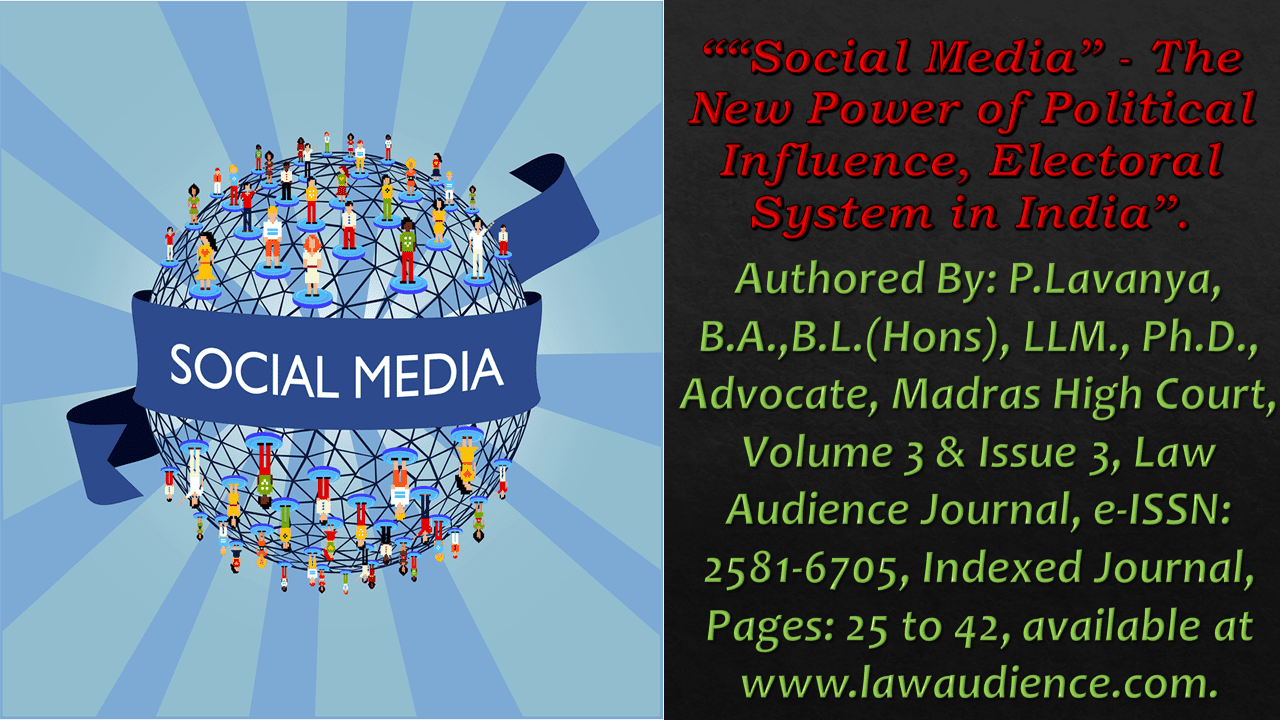
The rise of social media and algorithmic personalization has democratized content creation but also fragmented the information ecosystem. Algorithms curate feeds based on past behavior, amplifying content that aligns with individual preferences. While this personalization offers tailored news streams, it also risks creating silos where users encounter limited viewpoints.
For consumers, media literacy is essential. Critical reading—questioning sources, cross‑checking facts, and recognizing persuasive techniques—empowers individuals to discern credible information from manipulative narratives. Media literacy programs in schools and community settings are increasingly recognized as vital tools for fostering an informed electorate.
For media professionals, balancing editorial integrity with commercial viability demands continuous reflection. Embracing open dialogue with audiences, investing in investigative journalism, and upholding rigorous fact‑checking standards can help rebuild trust in an era of skepticism.
Future Trends to Watch
- Artificial intelligence in content creation: while promising efficiency, it raises concerns about authenticity and editorial oversight.
- Data journalism: leveraging big data to uncover hidden patterns, provided analysts remain transparent about methodology.
- Global media convergence: cross‑border collaborations can broaden perspectives but may also introduce cultural homogenization.
FAQ
What makes media influential in shaping public opinion?
Media influences public opinion by setting agendas, framing stories, and repeatedly presenting specific viewpoints that shape audience perceptions over time.
How can audiences protect themselves from biased reporting?
Consumers can seek multiple sources, verify facts against reputable fact‑checking organizations, and remain aware of the potential biases inherent in both mainstream and niche outlets.
What responsibilities do media outlets have when reporting sensitive topics?
Outlets should prioritize accuracy, avoid sensationalism, provide context, and ensure diverse representation to maintain credibility and minimize harm.