How Michael Jackson’s Vitiligo Explained: The Skin Condition
When you picture Michael Jackson, you likely see the iconic sequined glove, the moonwalk, and a complexion that seemed to change over the years. The story behind his shifting skin isn’t a mystery of makeup tricks; it’s a medical condition called vitiligo. Understanding this disorder sheds light not only on the pop legend’s personal challenges but also on a condition that touches millions worldwide.
What Is Vitiligo?
Vitiligo is an acquired skin disorder characterized by the loss of pigment‑producing cells, or melanocytes. When these cells die or stop working, the affected areas turn lighter than the surrounding skin, sometimes appearing snow‑white. The pattern can be patches, spots, or even complete whitening of large sections.
Key Facts at a Glance
- Prevalence: About 1‑2% of the global population experiences vitiligo at some point.
- Onset: Usually appears before age 20, but adult cases are not uncommon.
- Triggers: Genetics, autoimmune responses, and oxidative stress are the usual suspects.
Why Michael Jackson’s Vitiligo Became Public Discussion
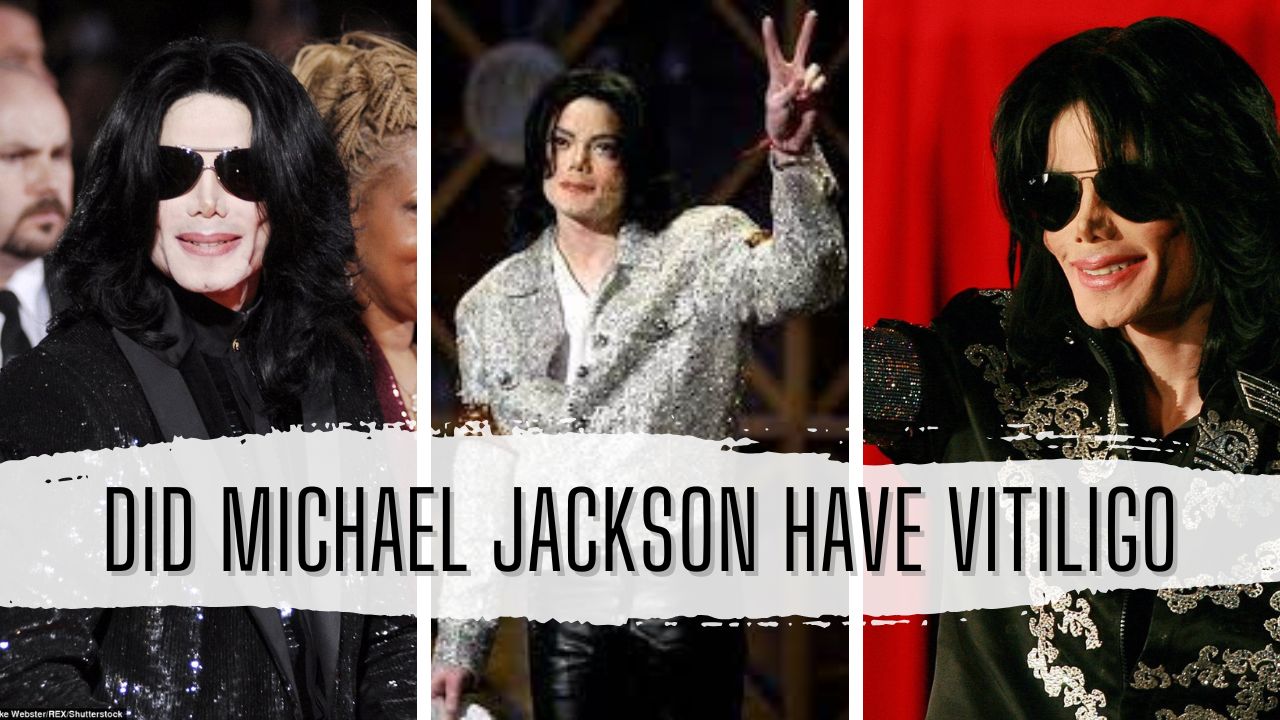
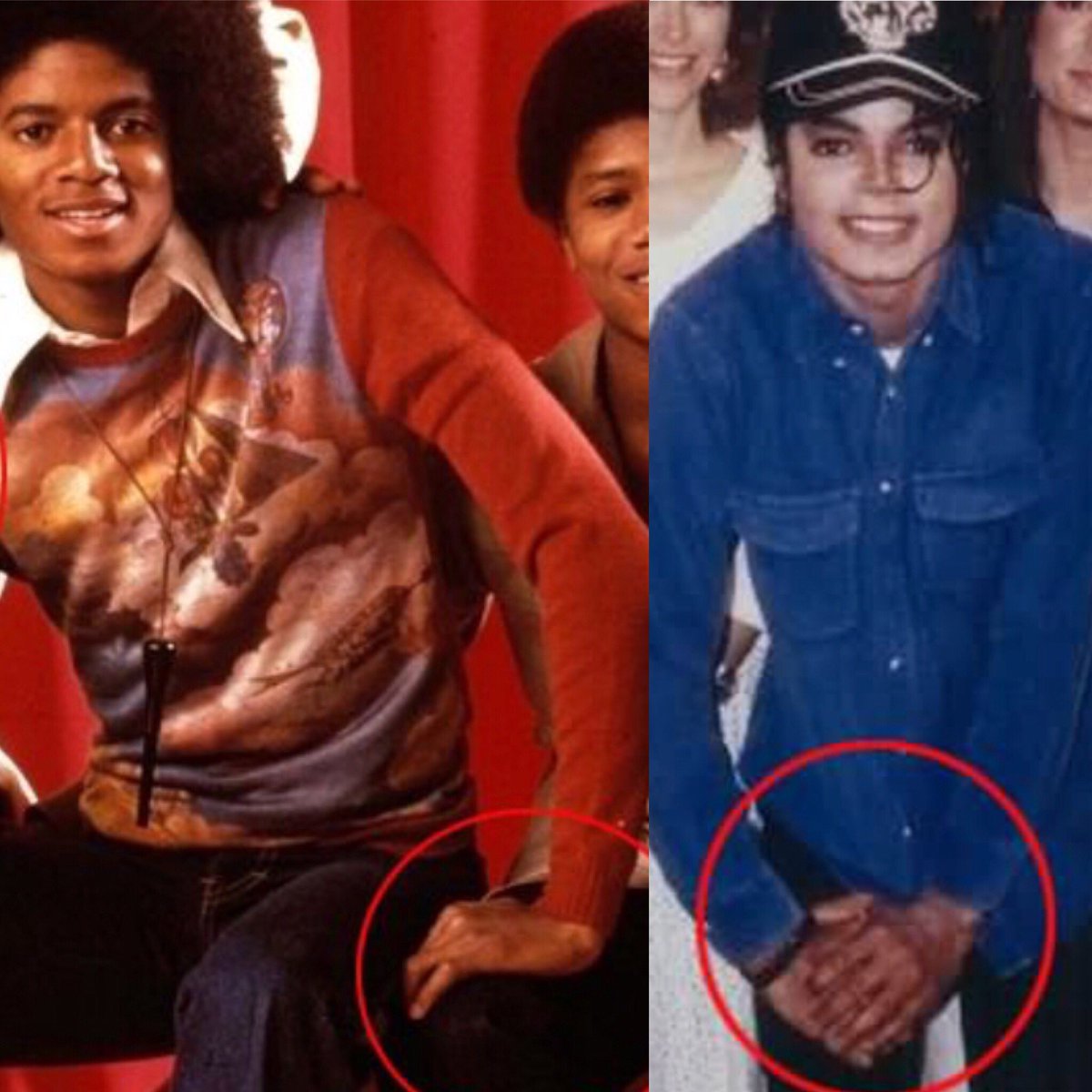
In the early 1990s, the pop star’s skin tone started to become noticeably lighter. Rumors spread like wildfire—some blamed excessive sun, others suggested cosmetic surgery. It wasn’t until a 1993 interview with Jet magazine that Jackson himself confirmed he had vitiligo, describing the condition as “a disease that affects the skin.” The admission turned a private medical issue into a worldwide conversation.
His openness was unusual for a celebrity at the time. Most public figures kept health matters under wraps. By speaking out, Jackson inadvertently raised awareness and helped reduce the stigma that often surrounds visible skin differences.
How Vitiligo Affects the Body
Beyond the obvious changes in coloration, vitiligo can bring a handful of less visible challenges:
- Increased sensitivity to sunlight, because melanin also protects against UV radiation.
- Psychological impact—self‑esteem can take a hit, especially when the condition is highly visible.
- Rarely, associated autoimmune disorders such as thyroid disease or type 1 diabetes.
For Michael, the need to protect his skin from the sun likely contributed to his use of makeup and later, medical treatments aimed at evening out his complexion.
Treatment Options: Then and Now
In the 1990s, options were limited. The most common approaches included:
- Topical corticosteroids to slow pigment loss.
- Phototherapy (narrow‑band UVB) to stimulate melanocyte activity.
- Camouflage makeup for aesthetic balance.
Today, the arsenal has expanded. Dermatologists might consider:
- JAK inhibitors, a newer class of medication showing promise in repigmentation.
- Excimer laser therapy, which delivers focused light to targeted patches.
- Skin grafting for stubborn, stable areas.
None of these guarantees a full return to the original skin tone, but many patients achieve noticeable improvement.
Living With Vitiligo: Lessons From the King of Pop
Jackson’s experience illustrates a broader truth: living with a visible skin condition often means navigating a mix of medical, social, and emotional terrain.
Here are a few take‑aways that resonate beyond the celebrity sphere:
- Seek professional guidance early. Dermatologists can map out a personalized plan before the condition spreads.
- Protect your skin. Broad‑spectrum sunscreen isn’t just a beach‑day accessory; it’s a daily necessity for anyone with vitiligo.
- Build a support network. Online forums, local groups, and counseling can make the psychological side more manageable.
- Consider the aesthetic side. Camouflage makeup has come a long way, offering full‑coverage formulas that are water‑resistant and breathable.
Myths That Still Float Around
Even years after Jackson’s public acknowledgment, misconceptions linger:
Myth: Vitiligo is contagious.
Reality: It’s not an infection; you can’t catch it from someone else.
Myth: It’s purely a cosmetic issue.
Reality: While the visual aspect is prominent, the autoimmune nature can signal deeper health considerations.
Clearing these misunderstandings helps reduce the social pressure people with vitiligo often feel.
Beyond the Spotlight: Why Awareness Matters
Michael Jackson’s fame turned a private health battle into public dialogue. That ripple effect is still felt: more research funding, better insurance coverage for treatments, and a growing sense of community among those affected.
When a star shares their vulnerability, it invites ordinary folks to feel less alone. In that sense, Jackson’s revelation was more than a personal confession—it was a catalyst for change.